

When can you put baby in bike trailer
Put a baby in a bike trailer only when the child can sit steadily without support, has reliable head and neck control, and meets every requirement in the trailer manual.
Do not decide by age alone
There is no single age that makes every baby ready for every trailer. Children develop at different rates, trailer designs differ, and local rules may apply. Before riding, compare your child’s development and measurements with the exact trailer manufacturer’s minimum age, minimum size, seating instructions and permitted helmet use. If any requirement is unclear or the child is close to a limit, wait and ask the child’s healthcare professional.
A child who slumps, cannot keep the head stable, or cannot remain securely positioned is not ready. Do not try to solve this with an improvised cushion, insert or harness arrangement. Use only seating accessories and configurations explicitly approved in the trailer manual.
What to measure and compare
Use the child’s current measurements rather than an estimate or the size of everyday clothing. Then check the manual and the labels on the exact trailer.
- Seated height: confirm there is the clearance required by the manufacturer, including while the child wears a properly fitted helmet if the manual permits or requires one.
- Weight: compare the child’s measured weight with the trailer’s individual-seat and total-load requirements. Count any other child or cargo as directed by the manual.
- Harness position: verify that the straps and buckle can be adjusted to the child without crossing the neck, leaving excessive slack or relying on added padding.
- Head and neck control: observe whether the child stays upright and stable while seated. A minimum measurement does not compensate for inadequate control.
- Helmet fit: use a bicycle helmet that fits properly, sits level and has straps adjusted according to its manufacturer’s instructions.
Run a stationary readiness check
Install the trailer, hitch, restraints and any approved accessories exactly as their manuals specify. For missing assembly, compatibility, load-limit or torque information, consult the exact product manual or a qualified bicycle mechanic rather than guessing.
- Place the trailer on level ground where it cannot roll.
- Seat and secure the child exactly as instructed.
- Check that the child remains upright and that the harness stays correctly positioned.
- Confirm adequate helmet and head clearance in the normal riding position.
- Verify that clothing, blankets and toys cannot reach the wheels or interfere with the harness.
If the child becomes slumped, distressed or unable to hold the head stable, stop the check and postpone trailer riding. Passing a stationary check does not override a manual restriction.
Make the first ride conservative
After every requirement is satisfied, begin with a short ride on a smooth, low-traffic route. Accelerate, turn and brake gently because a trailer changes the bicycle’s length and handling. Stop promptly if the child’s position changes or the child appears uncomfortable. Recheck the hitch, restraints and helmet before later rides, following the manufacturers’ inspection schedules.
Delay the ride during extreme weather, poor visibility or any condition in which you cannot monitor the child appropriately. The adult rider should already be comfortable controlling the bicycle with the trailer attached before carrying a child.
Why the supplied kids’ bikes are not trailer answers
The catalog options below help distinguish trailer readiness from the later decision to put a child on a bicycle. Black XJD Kids' BMX Bicycle with Training Wheels is offered in 12 Inch, 14 Inch and 16 Inch labels. Pink Girls' 12/14/16" Bike by XJD – Basket & Doll Seat is also offered in those three sizes. Neither is a bike trailer, trailer seat or infant-support product, so these are future bicycle-size comparison points—not substitutes for a suitable trailer or evidence that a baby is ready to ride in one.
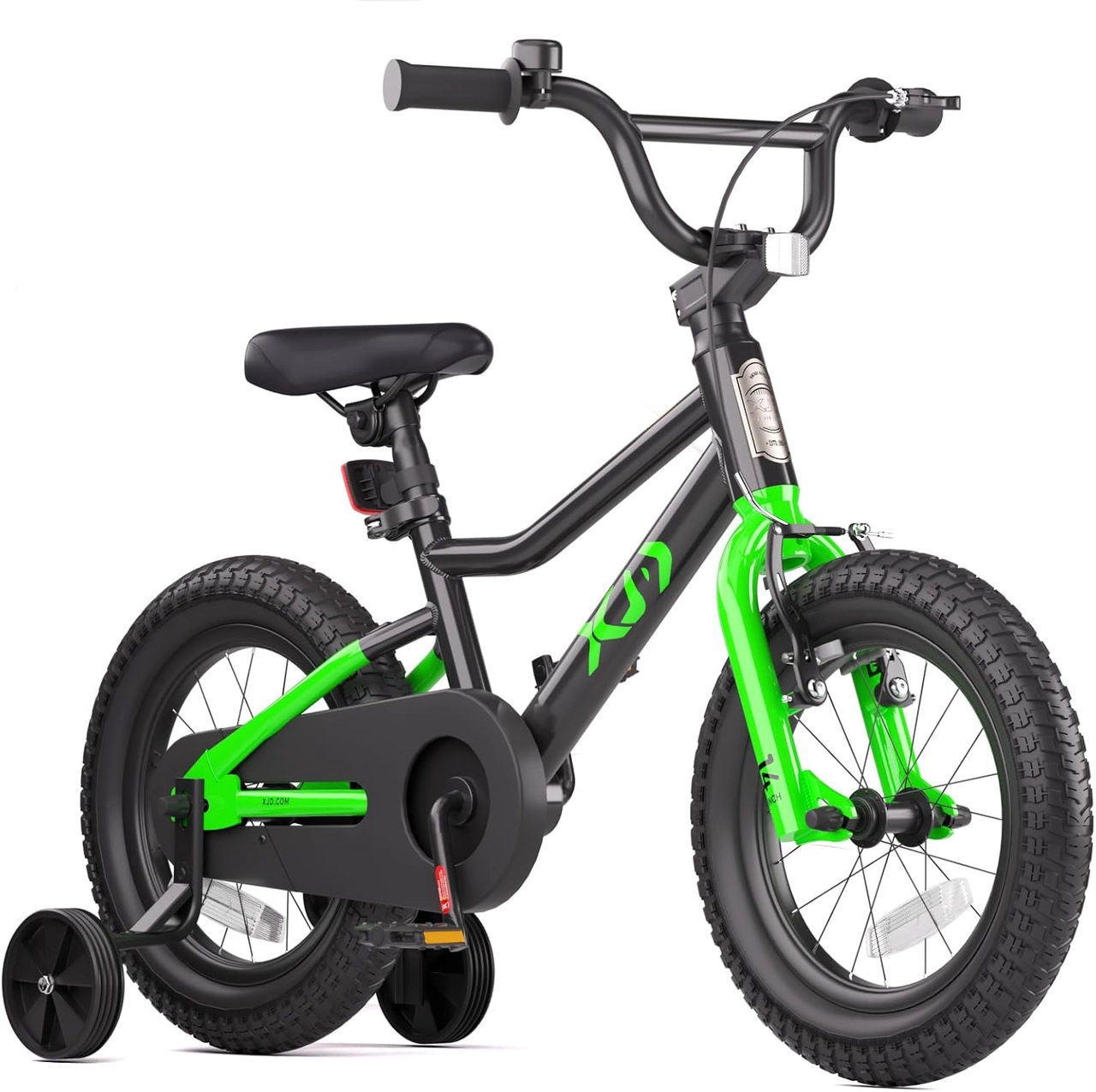 Black XJD Kids' BMX Bicycle with Training Wheels
A later-stage comparison option offered in 12 Inch, 14 Inch and 16 Inch sizes. It is a kids' BMX bicycle with training wheels, not a bike trailer or evidence of infant readiness.
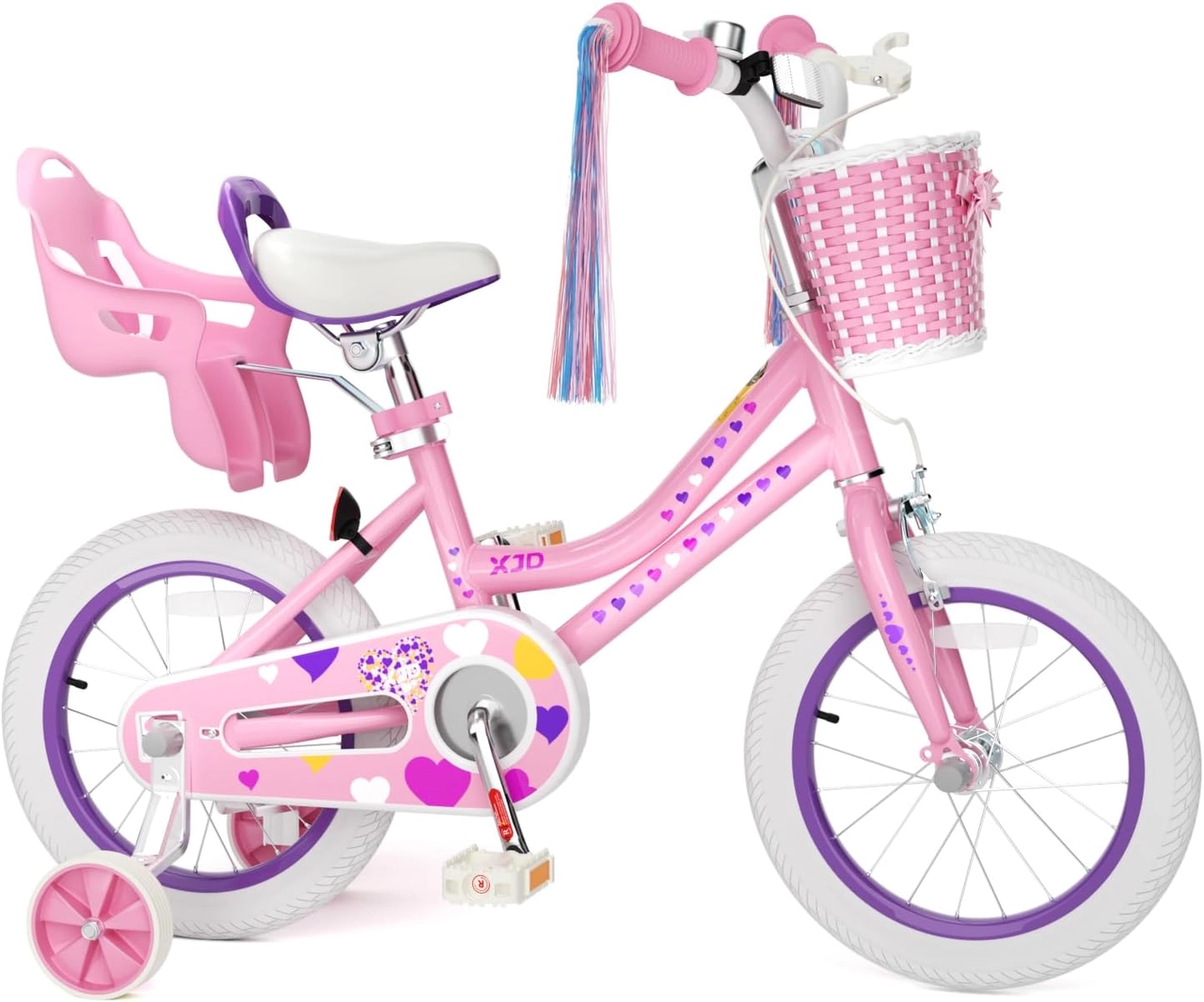 Pink Girls' 12/14/16" Bike by XJD – Basket & Doll Seat
Offered in 12 Inch, 14 Inch and 16 Inch sizes as a future bicycle-fit comparison. Its basket and doll seat do not make it suitable for carrying a baby.
When those bicycles become relevant
Once the child is old enough and developmentally ready to ride a bicycle, measure height and perform an individual fit check. XBikes uses these starting points for the sizes supplied here: 12 Inch for ages 3–4 and heights 34–40 in / 86–102 cm; 14 Inch for ages 3–6 and 37–45 in / 94–114 cm; and 16 Inch for ages 4–7 and 40–48 in / 102–122 cm.
Those ranges are starting points, not permission to size up for growth. Have the child try the bicycle and prioritize measured height, inseam, stand-over clearance, reach, brake control and present confidence over age. Do not choose either supplied bicycle for a baby or use its training wheels, basket or doll seat to carry a child.
Your decision today
Use the trailer only after your child demonstrates stable unsupported sitting and head control, fits the harness and helmet correctly, and satisfies the exact manual and local requirements. If any one of those checks fails—or the manufacturer’s instructions are unavailable—wait before putting the baby in the bike trailer.
Bikes for your next adventure
-

Kids Bike Helmet by XJD for Girls – Pink
The XJD Kids Bike Helmet in Pink is a lightweight multi-sport helmet for girls r…$59.99
$99 -

Blue XJD Kids Bike Helmet for Boys & Girls
The Blue XJD Kids Bike Helmet is a lightweight, adjustable multi-sport helmet fo…$59.99
$99 -
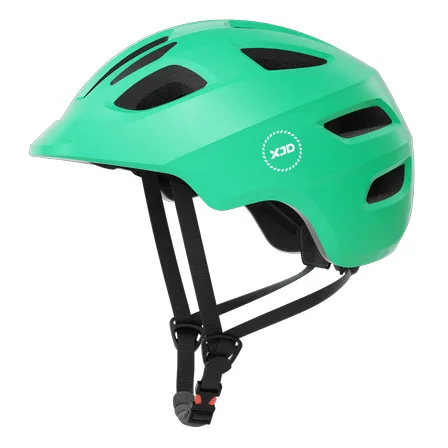
Green XJD Kids Bike Helmet for Boys & Girls
The Green XJD Kids Bike Helmet is a lightweight multi-sport helmet for toddlers …$59.99
$99