

When Does a Child Outgrow a 24-Inch Bike?
When does a child outgrow a 24-inch bike? The answer appears in the rider's position and control before it appears on a birthday calendar. A child may still fit the broad height range but run out of safe saddle adjustment, feel cramped at the knees or place too much weight on the handlebar. Another rider may have room left at the same age.
Start with the marked adjustment limits
Inspect the seatpost and handlebar according to the manual. No component should be raised beyond its minimum-insertion or maximum-extension mark. If a comfortable pedaling position requires crossing a limit, the bicycle is outgrown even when the tires and frame remain in good condition.

Watch the legs through a full pedal turn
The knees should not crowd the handlebar or rise into an obviously compressed position. Hips should remain reasonably level instead of rocking from side to side. A saddle can be too low, but simply raising it is not a solution when the rider also lacks stand-over room or exceeds the allowed range.

Check reach and braking
Ask the child to hold the grips with relaxed shoulders and bent elbows, turn fully in both directions and operate every brake without shifting the palm. A cramped cockpit, knees contacting the hands or a posture that makes the rider sit far behind the saddle are signs to compare a larger complete frame.
Use the site range carefully
The XJD standard uses 24 inches as a starting point for ages 10–14 and heights of 54–64 inches. Those numbers help shortlist, but inseam and model geometry still decide. Do not force a move to 26 inches if the larger bicycle is difficult to mount or recover from a lean.
Compare both sizes on the same day
Set the current bicycle correctly within its limits, then compare the proposed next size. The larger bike should preserve reliable starts, wide turns and stops rather than merely provide more growing room. Choose current control and repeat the check as measurements change.
How current product examples clarify the choice
The purple 24-inch cruiser and purple 26-inch cruiser are useful adjacent-size references. Their live pages make the wheel-size step visible, but they do not replace comparing the selected frame, brake reach and rider measurements in person.
Practical checklist
- Read all adjustment-limit marks.
- Observe knees and hips while pedaling.
- Test handlebar and brake reach.
- Compare 24 and 26 inches without sizing up automatically.
Frequently asked questions
Is height alone enough to move from 24 to 26 inches?
No. Inseam, stand-over room, reach and control on the exact frame also matter.
Can I extend the seatpost farther for a few more months?
Never exceed a marked limit; use only approved adjustments and parts.
Before making the final choice, revisit the exact route or driving area at the time it will normally be used. A setup that works during a quiet test may need more room, visibility or adult support when other people and everyday obstacles are present.
Bottom line
Use the answer to when does a child outgrow a 24-inch bike as a decision process, not a shortcut. Confirm the live product data and manual, match the rider to the controls and setting, and favor repeatable control over a larger size or higher performance label.
Bikes for your next adventure
-

XJD Girls Bike for Kids Ages 3-8, 12/14/16 Inch with Training Wheels – Purple
The XJD Girls Bike in Purple is a training-wheel bicycle for kids ages 3 to 8, f…$149
$169 -

XJD Pink Beach Cruiser for Girls – Rear Rack & V-Brake
The XJD Pink Beach Cruiser for girls is the step-up bike for riders who've outgr…$179.99
$209.99 -
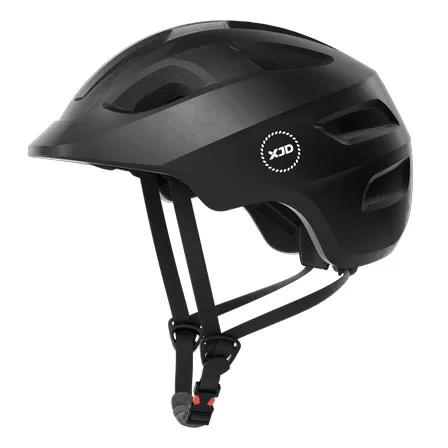
Kids Multi-Sport Bike Helmet by XJD – Black
7 reviews
The XJD Kids Multi-Sport Bike Helmet in Black is a lightweight, adjustable helme…$59.99
$49