

When did your kid learn to ride a bike
There is no single age when a child should learn to ride a bike. The right time is when your child fits the bike, can control it, and feels ready to practise.
What “ready” looks like
Age can suggest where to begin, but it cannot determine readiness. A child is more likely to learn successfully when they can sit securely, reach the controls without stretching, steer deliberately, stop on request, and follow simple instructions. They should also be willing to try; pressure can turn a manageable skill into a struggle.
Confidence matters as much as physical coordination. Some children are eager at three or four, while others need several more years. Either path can be normal. Compare your child with the bicycle, not with siblings, classmates, or an expected birthday milestone.
Measure before choosing a practice bike
Measure your child’s standing height and inseam while they wear the shoes they will use for riding. Then have them try the actual bicycle. Check whether they can stand over it comfortably, get on and off without being trapped by the frame, reach the handlebar naturally, and operate the brakes with controlled fingers.
The American Academy of Pediatrics advises families to have the child try the bicycle and avoid buying an oversized model for future growth. A bike that is too large can make starting, steering, stopping, and putting a foot down more difficult.
Use wheel size only as a starting point
| Wheel size | Starting age | Rider height |
|---|---|---|
| 12 Inch | 3–4 | 34–40 in / 86–102 cm |
| 14 Inch | 3–6 | 37–45 in / 94–114 cm |
| 16 Inch | 4–7 | 40–48 in / 102–122 cm |
| 18 Inch | 5–9 | 43–52 in / 109–132 cm |
| 20 Inch | 7–12 | 48–60 in / 122–152 cm |
| 24 Inch | 10–14 | 54–64 in / 137–163 cm |
| 26 Inch | Youth and adults | Over 60 in / 153 cm |
These ranges help narrow the search; overlapping ages are intentional because children grow differently. Prioritize measured height, inseam, reach, brake control, and current confidence. A wheel-size range does not prove that a particular frame fits, and moving up a size is not a shortcut to longer usefulness.
How to tell whether learning is progressing
Choose a quiet, level area away from traffic and obstacles. The useful comparison is not how many minutes practice takes, but what your child can do with decreasing assistance.
- Start: The child can mount, look ahead, and keep the handlebar reasonably steady.
- Balance: They can move while maintaining a controlled line rather than relying continuously on an adult.
- Control: They can steer around a simple obstacle and use the brakes deliberately.
- Decision: They can start, stop, and put a foot down without panic.
If reach, braking, or dismounting remains awkward, recheck fit before assuming the child simply needs more practice. If the bike fits but fear is rising, shorten the session and try again another day.
Where the supplied cruiser fits into the decision
The XJD Pink Beach Cruiser for Girls – Rear Rack & V-Brake is offered in 20 Inch, 24 Inch, and 26 Inch catalog options. Those sizes make it relevant mainly as a comparison for taller or older learners and riders progressing beyond smaller first-bike sizes. They are not substitutes for 12, 14, 16, or 18 Inch bikes, and the catalog title does not establish individual fit.
These particular catalog options help answer the question by showing where a learner’s measurements may place them once smaller learning sizes are no longer appropriate. Compare the 20 Inch option with the 48–60 in range, the 24 Inch option with the 54–64 in range, and the 26 Inch option only for a rider over 60 in, then require an actual fit check.

The product title identifies a rear rack and V-brake, but it does not provide rack load limits, assembly instructions, maintenance procedures, or component compatibility. Follow the exact product manual or ask a qualified bicycle mechanic rather than guessing about those details.
Helmet and final go-or-wait check
Before every practice, use a bicycle helmet that fits properly. U.S. Consumer Product Safety Commission guidance says it should sit level and its straps should be adjusted according to the helmet manufacturer’s instructions.
- Proceed if the bicycle matches the child’s measurements, they can reach and operate the brakes, and they want to practise.
- Adjust or reconsider the bicycle if mounting, stand-over clearance, reach, or stopping is uncontrolled.
- Wait without concern if the fit is sound but the child is not emotionally ready.
Your child learned—or is ready to learn—not at a prescribed age, but when fit, control, balance, and confidence come together. Measure them now, test the actual bike, and choose today’s controllable size rather than tomorrow’s hoped-for growth.
Bikes for your next adventure
-

XJD Kids Bike for Girls – Pink, 12/14/16/20 Inch with Training Wheels
The XJD Kids Bike for Girls in Pink is a training-wheel bike built to carry your…$139
$159 -

Blue XJD Girls Bike with Training Wheels – 12/14/16 Inch
If you're shopping for a first pedal bike for a daughter roughly 3 to 8 years ol…$149
$169 -
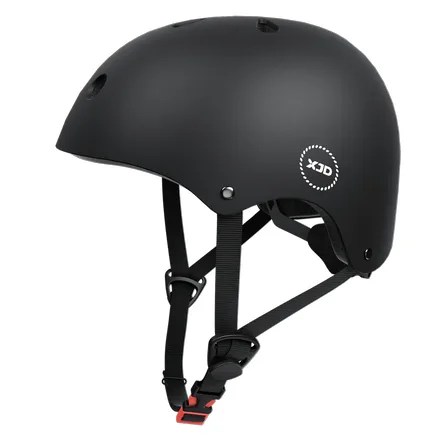
7-in-1 Kids Helmet & Protective Gear Set from XJD – Black or Blue
If you're outfitting one kid (or a couple of siblings) for biking, scootering, o…$59.99