

When Should a Child Be Able to Pedal a Bike?
When should a child be able to pedal a bike? There is no single deadline. Pedaling combines leg motion with balance, steering, looking ahead and stopping, so children reach it at different times. A more useful question is whether the child fits the bicycle, understands the controls and can practice willingly in a calm, protected place.
Look for readiness instead of an age
The child should follow a simple stop instruction, hold the handlebar without a tense reach and place feet on the pedals without sliding off the saddle. Interest matters too. A reluctant child learns little from a forced session, even when height and age seem suitable.

Set the bicycle for current control
Choose the wheel size from current height and inseam, then follow the exact saddle guidance. The child should mount and dismount steadily and reach the brakes. Do not raise the saddle or choose a larger frame for future growth if it removes confidence at the start or stop.

Teach the pedal start in small steps
On flat traffic-free ground, position one pedal in a useful starting position according to the lesson method. Let the child push, place the other foot and make only a few turns before stopping. Short repeated attempts are easier to understand than a long run with an adult holding the bicycle unpredictably.
Keep stopping in every lesson
Before speed or distance, practice the fitted braking system while walking the bicycle. A rear coaster brake, hand brake or combination requires its own explanation. The child should keep a secure grip and know how to stop without looking down.
Use training wheels as configured
If the bicycle includes training wheels, install and adjust them only as directed and inspect their fasteners. They can support the pedaling motion, but they do not prove two-wheel balance. Remove them based on demonstrated readiness and the product instructions, not a calendar date.
How current product examples clarify the choice
The light-pink basket bike and blue kids bike both provide small wheel options with removable training wheels. They are relevant examples for checking fit and control layout, while the child's measured size, willingness and repeated start-and-stop success determine the lesson pace.
Practical checklist
- Measure height and inseam first.
- Teach the exact braking system before distance.
- Use short, calm practice sessions.
- Stop before frustration replaces learning.
Frequently asked questions
Is age three too early to pedal?
Some children are ready and others are not. Use the product guidance plus fit, coordination and willingness rather than age alone.
Should an adult push the bike to get started?
Use a controlled teaching method that lets the child understand the start; avoid sudden pushes that remove control.
Before making the final choice, revisit the exact route or driving area at the time it will normally be used. A setup that works during a quiet test may need more room, visibility or adult support when other people and everyday obstacles are present.
Bottom line
Use the answer to when should a child be able to pedal a bike as a decision process, not a shortcut. Confirm the live product data and manual, match the rider to the controls and setting, and favor repeatable control over a larger size or higher performance label.
Bikes for your next adventure
-

XJD Girls Bike for Kids Ages 3-8, 12/14/16 Inch with Training Wheels – Purple
The XJD Girls Bike in Purple is a training-wheel bicycle for kids ages 3 to 8, f…$149
$169 -
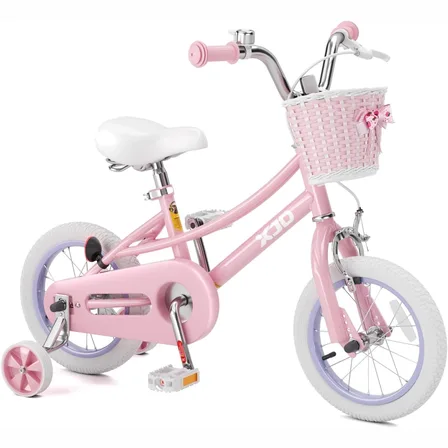
Pink 12/14/16/20" XJD Girls Bike with Training Wheels & Basket
The Pink XJD Girls Bike with Training Wheels & Basket is a first-bike pick f…$65.99
$75.99 -
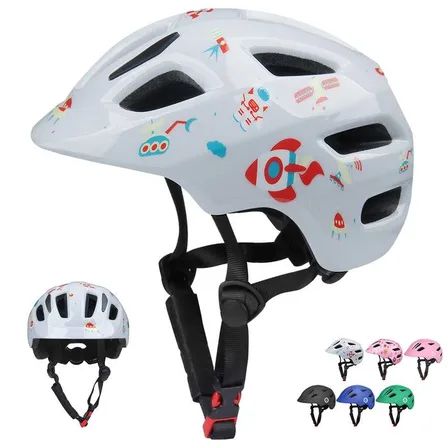
White Astronaut Bike Helmet for Kids by XJD – Toddler to Youth Sizes
4 reviews
The XJD White Astronaut kids' bike helmet is made for toddlers through younger e…$59.99