

Where to buy child bike seat
Buy a child bike seat from a reputable bicycle shop or retailer that can confirm it fits your exact adult bicycle and child. Before ordering, identify the seat type, measure the bike, check the child limits in the product manual, and arrange professional fitting if compatibility is unclear.
First, confirm what “child bike seat” means
If you mean a passenger seat attached to an adult bicycle, shop specifically for a front-mounted or rear-mounted child carrier. Do not choose one from a photograph alone: the bicycle frame, mounting area, surrounding clearances and the seat manufacturer’s compatibility rules all matter.
If you mean a child’s bicycle saddle, take the bicycle’s make, model and current saddle or seat-post measurements to a bicycle shop. If you actually want a bicycle the child can ride independently, wheel size and individual fit become the main decisions.
Where to buy one
A local bicycle shop is the most useful starting point when you need the bike inspected, measurements confirmed or the seat installed. An established online bicycle retailer or the seat manufacturer can also be appropriate when its listing provides the exact manual, compatibility requirements and child limits before purchase.
A marketplace listing is only useful if the precise model and its instructions can be verified. Avoid treating a vague “universal fit” description as proof. For second-hand seats, obtain the exact manual and inspect condition and completeness with a qualified bicycle mechanic before use.
What to measure and compare
- The adult bicycle: record its make, model and frame size, then measure the locations required by the candidate seat’s manual. Check that its mounting system is expressly compatible.
- Available space: compare the manual’s required mounting and operating clearances with the actual bicycle, including anything already attached.
- The child: measure current height and weight, then compare both with the exact seat manufacturer’s stated limits. Do not estimate from age alone.
- Use and installation: confirm that all required mounting parts and instructions are included. Follow the exact manual for assembly, load limits, compatibility, maintenance and torque, or use a qualified bicycle mechanic.
Before riding, make sure the child’s bicycle helmet fits properly, sits level and has its straps adjusted according to the helmet manufacturer’s instructions.
When the supplied XBikes products are relevant
The two catalog options below are complete training-wheel bicycles for a child learning to ride independently. They can help if “child bike seat” was really a search for a child-sized bicycle, but they are not passenger seats, replacement saddles or substitutes for a seat mounted to an adult bike.
Girls 12/14/16 Inch Kids Bike by XJD with Training Wheels – Peach is categorized as a Training Wheel Bike and has supplied 12 Inch, 14 Inch and 16 Inch SKU labels. XJD Light Purple Girls Bike with Basket, Training Wheels, 12/14/16/20 Inch is also categorized as a Training Wheel Bike; despite “20 Inch” appearing in its catalog title, the supplied available SKU labels are only 12 Inch, 14 Inch and 16 Inch. These particular options are useful for comparing three child-bike starting sizes when independent riding—not passenger transport—is the goal.
 Girls 12/14/16 Inch Kids Bike by XJD with Training Wheels – Peach
A training-wheel bicycle offered with supplied 12 Inch, 14 Inch and 16 Inch SKU labels; relevant only when the shopper means an independently ridden child’s bike, not an adult-bike passenger seat.
 XJD Light Purple Girls Bike with Basket, Training Wheels, 12/14/16/20 Inch
A Training Wheel Bike with supplied available 12 Inch, 14 Inch and 16 Inch SKU labels. Although its title mentions 20 Inch, no 20 Inch available SKU label was supplied; it is not a passenger seat.
Choose the correct independent-riding size
For these supplied bicycles, use the following XBikes starting points, then require an in-person fit check:
| Wheel label | Starting age | Starting rider height |
|---|---|---|
| 12 Inch | 3–4 | 34–40 in / 86–102 cm |
| 14 Inch | 3–6 | 37–45 in / 94–114 cm |
| 16 Inch | 4–7 | 40–48 in / 102–122 cm |
Overlapping ranges are starting points, not evidence that two sizes fit equally. Measure the rider’s height and inseam, and have the child try the bicycle. Check stand-over space, reach, brake control and present confidence. Do not buy an oversized bicycle merely to allow room for growth.
If the child falls outside these ranges, neither supplied product should be assumed suitable. Seek the correctly sized bicycle rather than substituting one of these catalog options.
What to do next
- Decide whether you need an adult-bike passenger seat, a replacement saddle or an independent child’s bicycle.
- For a passenger seat, take the adult bike’s exact details and requested measurements to a bicycle shop or compare them line by line with the manufacturer’s manual.
- For an independent bicycle, measure the child’s height and inseam, identify the starting wheel size, and arrange a physical fit check that includes reach and brake control.
Buy only after the exact product manual confirms the child and bicycle are compatible; if your real goal is independent riding, compare the two supplied training-wheel bikes only within their verified 12, 14 and 16 Inch options.
Bikes for your next adventure
-

Kids Bike Helmet by XJD for Boys & Girls – Black, Blue, Green, Pink, Purple
The XJD Kids Bike Helmet covers a wide 2-to-8-year age range thanks to two head-…$59.99
-

Blue XJD Kids Bike Helmet for Boys & Girls
The Blue XJD Kids Bike Helmet is a lightweight, adjustable multi-sport helmet fo…$59.99
$99 -
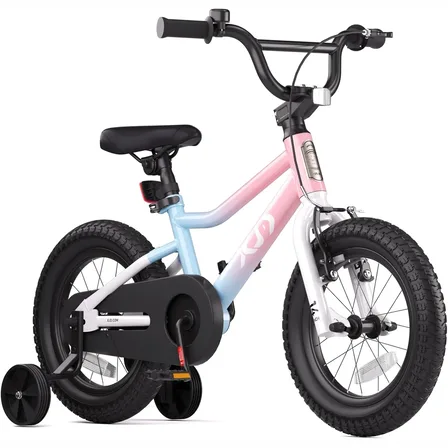
XJD Girls BMX Bike 12/14/16 Inch with Training Wheels – Pink Blue
The XJD Girls BMX Bike in Pink/Blue is built as a first pedal bike for kids roug…$99.99
$119.99