

Which bike is best for girl
The best bike for a girl is the one that fits her measured height and inseam, feels easy to control, and matches her current riding confidence.
Choose fit before color or age
There is no separate technical size standard for girls’ bikes. Start with the rider, not the label: measure her height and inseam, then compare the result with the wheel-size starting points below. Age can narrow the search, but overlapping age ranges make it a weak final test.
Do not buy an oversized bicycle merely to leave room for growth. She should try the actual bike whenever possible. Check that she can stand over it comfortably, reach the handlebars without stretching, steer while looking ahead, and operate the brakes reliably with her hands in a normal riding position.
Compare the likely wheel sizes
| Wheel size | Age starting point | Rider-height starting point |
|---|---|---|
| 12 Inch | 3–4 | 34–40 in / 86–102 cm |
| 14 Inch | 3–6 | 37–45 in / 94–114 cm |
| 16 Inch | 4–7 | 40–48 in / 102–122 cm |
| 18 Inch | 5–9 | 43–52 in / 109–132 cm |
| 20 Inch | 7–12 | 48–60 in / 122–152 cm |
| 24 Inch | 10–14 | 54–64 in / 137–163 cm |
| 26 Inch | Youth and adults over 60 in | Over 60 in / 153 cm |
These ranges overlap because two riders of the same age or height may have different proportions, reach and skills. If her measurement falls in an overlap, compare both sizes in person rather than automatically choosing the larger wheel.
Use a short hands-on fit check
- Measure first: record her height and inseam without shoes, then identify the closest starting sizes.
- Check stand-over: when she straddles the bicycle, the frame should not prevent comfortable, stable footing.
- Check reach: she should hold the bars and turn them without leaning far forward, locking her arms or losing balance.
- Check brake control: confirm that she can reach and operate the controls consistently. Brake type is not supplied here, so assess the actual bicycle.
- Watch a careful trial: look for controlled starts, straight steering, deliberate stops and calm turns. A technically plausible size is still wrong if she cannot control it confidently.
If adjustments, assembly or control setup are uncertain, follow the exact product manual or ask a qualified bicycle mechanic. Do not improvise torque settings or compatibility.
When the supplied girls’ bike is relevant
The XJD Pink Girls' Bike – Kids 12/14/16 Inch Training Wheel Bicycle is relevant when her fit check points toward a 12 Inch, 14 Inch or 16 Inch bicycle and a training-wheel bike suits her current confidence. Its catalog options make those three adjacent sizes useful to compare, but the title and pink styling do not establish fit.
These particular catalog options help answer which bike is best for a girl because they let a parent compare 12 Inch, 14 Inch and 16 Inch choices against the same rider’s measurements and control. They are not relevant if her correct fit falls outside those sizes or if a training-wheel bicycle does not match what she currently needs.
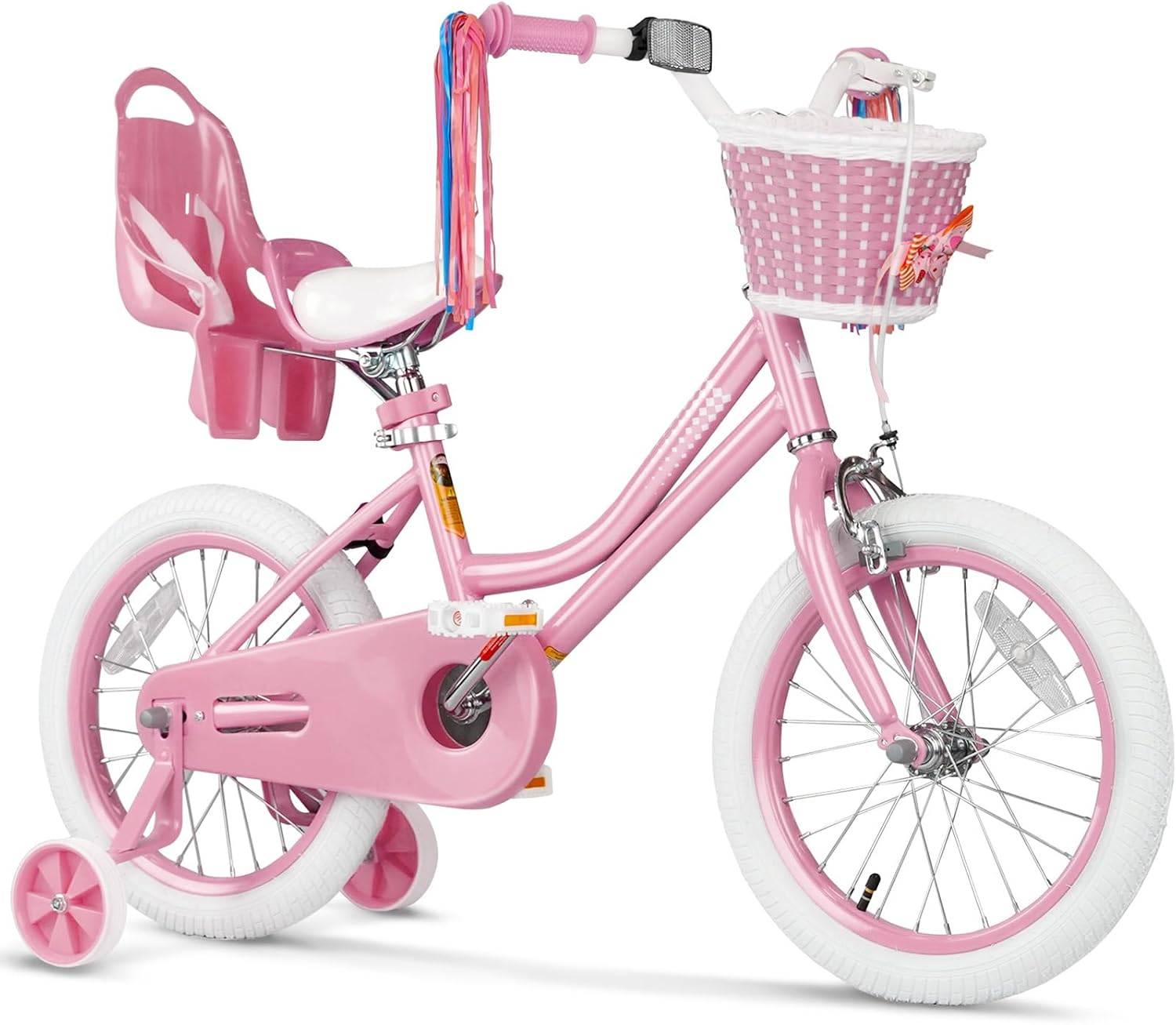
For an 18 Inch, 20 Inch, 24 Inch or 26 Inch fit, this product is not an equal substitute: its available labels stop at 16 Inch. Treat it only as a nearby comparison point where applicable, then find and test the wheel size indicated by her measurements.
Separate confidence from size
Wheel size and riding readiness answer different questions. Height and inseam identify candidates; balance, reach, braking and confidence determine whether she can use one well. Training wheels may be relevant to a rider who needs that format, but their presence does not justify moving up a size or skipping the fit check.
Ask what makes her willing to ride, including appearance preferences, but decide only after confirming physical control. A bike she likes can encourage use; a bike she cannot start, steer or stop comfortably is not the best choice.
Finish the decision safely
Once one size passes the fit check, repeat the test after any permitted adjustments and consult the exact manual for assembly, maintenance and limits. Use a properly fitting bicycle helmet that sits level, with its straps arranged according to the helmet manufacturer’s instructions.
Your next step is simple: measure her height and inseam today, shortlist the matching wheel sizes, and have her try them. Choose the smallest suitable option she can comfortably stand over, reach, steer and brake—not a larger girls’ bike intended for future growth.
Bikes for your next adventure
-

Kids Bike Helmet by XJD for Boys & Girls – Black, Blue, Green, Pink, Purple
The XJD Kids Bike Helmet covers a wide 2-to-8-year age range thanks to two head-…$59.99
-
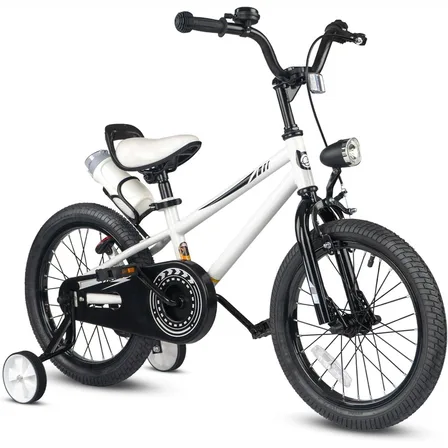
XJD Kids' Training Wheel Bike for Boys & Girls, 12/14/16 Inch – White
The XJD kids' training wheel bike in White is made for riders ages 3–8 (roughly …$169
$199 -
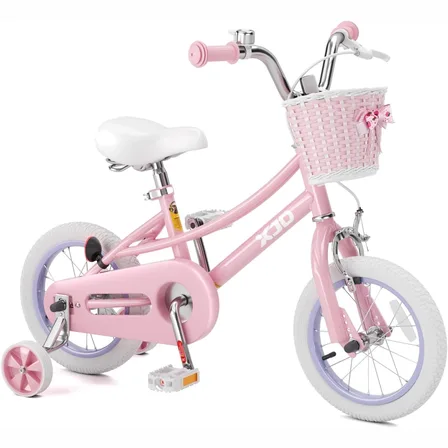
Pink 12/14/16/20" XJD Girls Bike with Training Wheels & Basket
The Pink XJD Girls Bike with Training Wheels & Basket is a first-bike pick f…$65.99
$75.99