Can a 20 inch bike have training wheels
Yes, a 20 inch bike can have training wheels if the bicycle is designed for them or the exact bike and wheel set are confirmed compatible. Fit the rider first, then verify mounting requirements in the product manual.
Check the rider before choosing 20 inch wheels
For XBikes, a 20 inch bicycle is a starting point for riders ages 7–12 and 48–60 inches (122–152 cm) tall. Age is only a rough guide. Measure the child’s current standing height and inseam, and have the child try the bicycle whenever possible.
Do not buy an oversized bicycle merely to leave room for growth. The child should be able to stand over the bicycle appropriately, reach the handlebars without straining, steer with control and operate the brakes comfortably. Current confidence matters too: two children of the same height may need different levels of support.
| What to check | What you are looking for |
|---|---|
| Standing height | Compare the measured height with the 48–60 inch (122–152 cm) starting range. |
| Inseam and stand-over | The child can manage the bicycle while stopped and mounting or dismounting. |
| Reach | Hands reach the bars naturally, without excessive stretching. |
| Brake control | The child can reach and operate the fitted controls reliably. |
| Confidence | The bicycle remains manageable during starts, stops and turns. |
Confirm that training wheels fit the exact bike
Wheel diameter alone does not establish compatibility. A set described for 20 inch bicycles may still be unsuitable for a particular frame, axle or drivetrain arrangement. Do not improvise attachment hardware or assume that a training-wheel set transfers safely from a smaller bicycle.
If training wheels are included with the exact 20 inch configuration, follow that product’s assembly and adjustment instructions. If they are being added separately, compare the bicycle model and chosen training-wheel specifications, then follow both manuals. When compatibility, assembly, load limits or torque requirements are unclear, use a qualified bicycle mechanic rather than guessing.
Which XBikes options are relevant?
All three supplied catalog options are directly relevant because each belongs to the Training Wheel Bikes category, names training wheels in its exact title and offers a 20 Inch SKU label. Their smaller SKU labels can help with size comparison, but only the individually fitted wheel size should be selected.
The catalog options below help answer the question by showing that XBikes lists specific training-wheel bicycle models in 20 Inch configurations, rather than implying that any ordinary 20 inch bicycle will accept any training wheels.
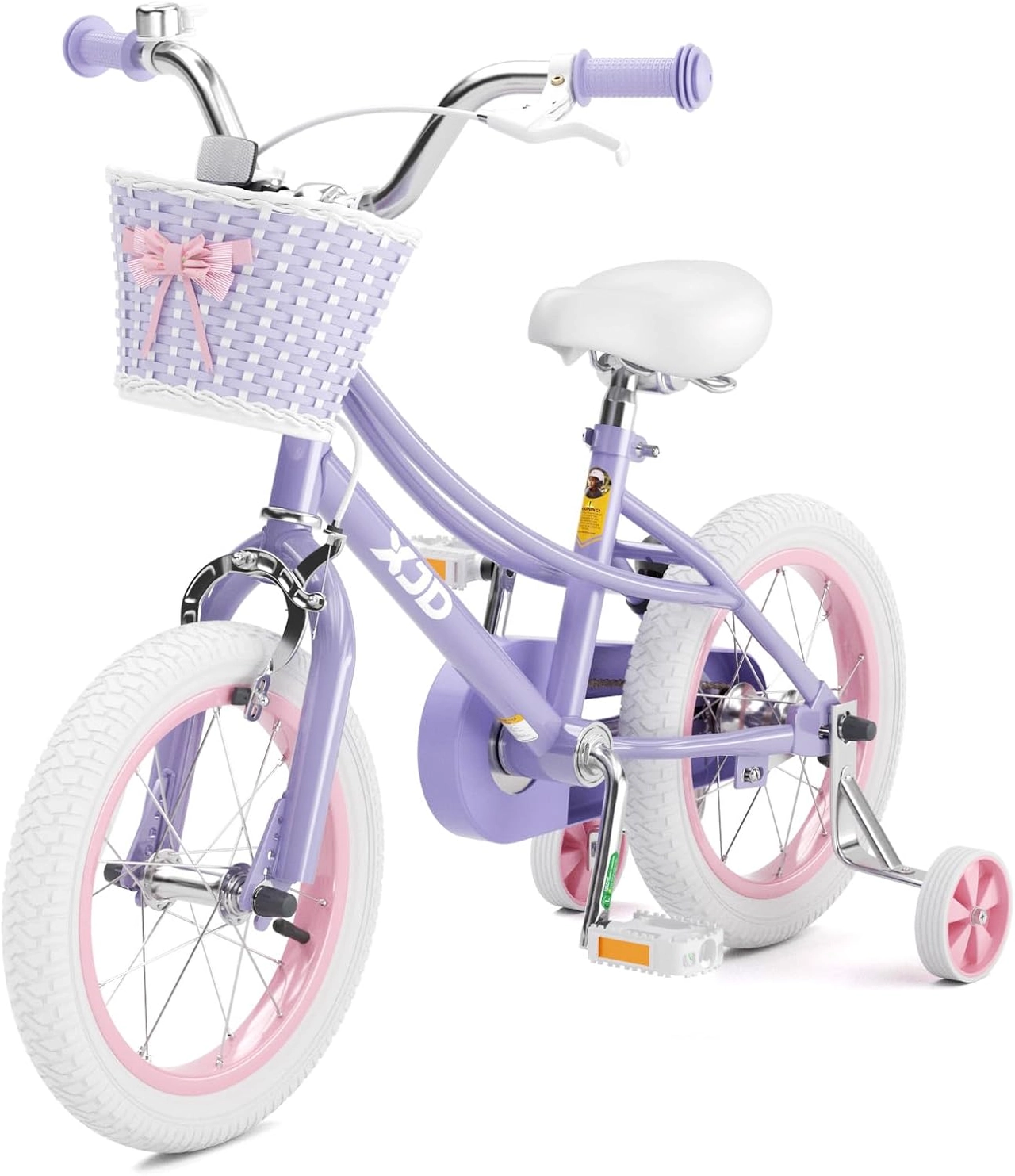 Girls' Training Wheel Bike by XJD with Basket – Purple
Available in 14 Inch, 16 Inch and 20 Inch labels. The 20 Inch configuration directly matches the question, while rider fit and manual requirements still need checking.
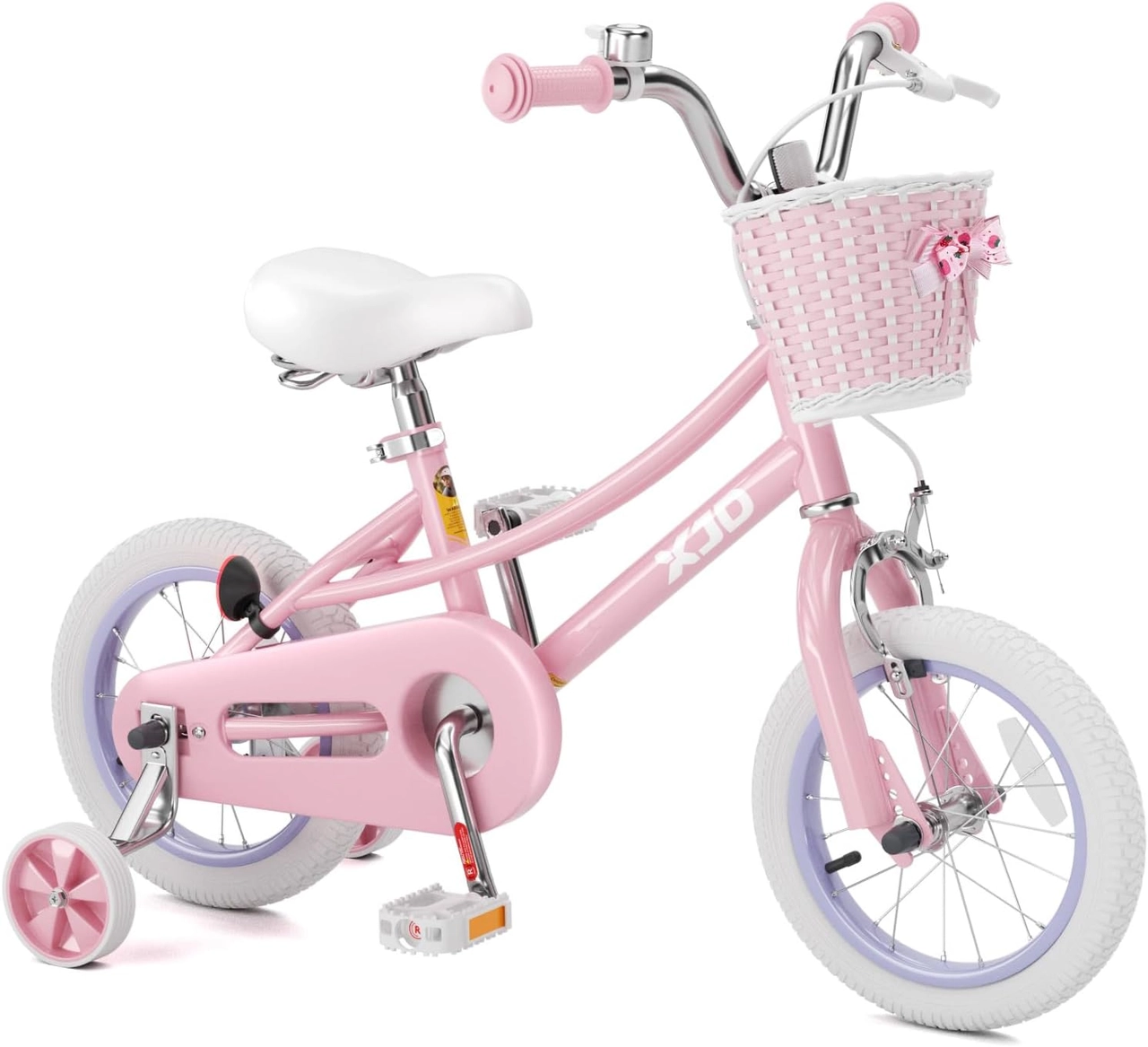 Pink 12/14/16/20" XJD Girls Bike with Training Wheels & Basket
Offers 12 Inch, 14 Inch, 16 Inch and 20 Inch labels. Its title identifies training wheels, and the 20 Inch configuration is the relevant size for comparison.
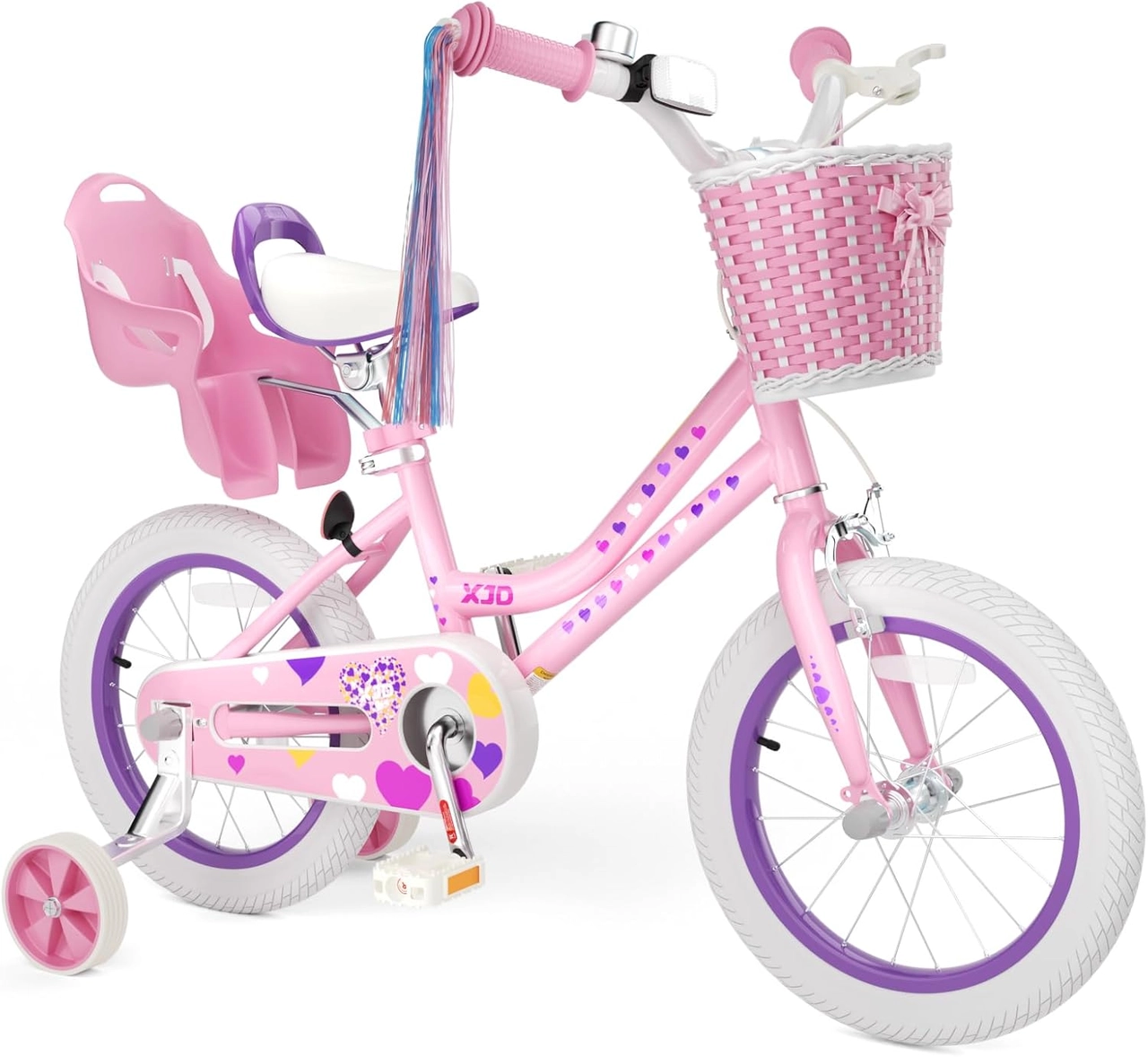 Light Pink XJD Girls' Bicycle with Basket & Training Wheels
Listed with training wheels and 12 Inch, 14 Inch, 16 Inch and 20 Inch labels. Select the 20 Inch configuration only after checking the individual rider’s fit.
Compare the three catalog choices
Girls' Training Wheel Bike by XJD with Basket – Purple is offered with 14 Inch, 16 Inch and 20 Inch SKU labels. Its 20 Inch option is the relevant configuration for this question; the other labels are distinct sizes, not equivalents.
Pink 12/14/16/20" XJD Girls Bike with Training Wheels & Basket is offered in 12 Inch, 14 Inch, 16 Inch and 20 Inch labels. Confirm that 20 Inch is the selected configuration before comparing its fit with the rider’s measurements.
Light Pink XJD Girls' Bicycle with Basket & Training Wheels likewise has 12 Inch, 14 Inch, 16 Inch and 20 Inch SKU labels. Its catalog title and 20 Inch label make it relevant, but they do not replace an individual fit check or the product manual.
These facts establish the listed sizes and catalog positioning only. They do not establish price, live availability, construction, brake type, weight, certification or compatibility with training wheels from another product.
Set up and supervise the first rides
Complete assembly exactly as directed by the manual for the selected product and configuration. Before each ride, check that the bicycle and training wheels show no looseness, damage or interference. Any uncertainty about mounting, adjustment or mechanical condition should be resolved by a qualified bicycle mechanic.
Choose a controlled riding area away from traffic and other hazards. Training wheels assist with side-to-side support, but they do not make an ill-fitting bicycle easier to steer or stop. Stay close enough to supervise starts, braking and turns while the child becomes familiar with the larger bicycle.
A bicycle helmet is still necessary. It must fit properly, sit level and have its straps used according to the helmet manufacturer’s instructions.
Make the 20 inch decision
Choose a 20 inch training-wheel bike only when the rider’s measured height is consistent with the 48–60 inch starting range and the actual fit confirms suitable stand-over, reach, brake control and confidence. If those checks fail, compare a different wheel size rather than sizing up for growth. If the bike passes but training-wheel compatibility remains uncertain, stop and verify the exact manual or ask a qualified mechanic before riding.
Recommended products
-
Save 16%
XJD Light Purple Girls Bike with Basket, Training Wheels, 12/14/16/20 Inch
The XJD Girls Bike with Basket in Light Purple is a single-speed training-wheel …
Training Wheel Bikes Wheel Size 12 Inch / 14 Inch / 16 Inch Recommended Height 86–122 cm Training Wheels Yes Single Speed 12 Inch -
Save 11%
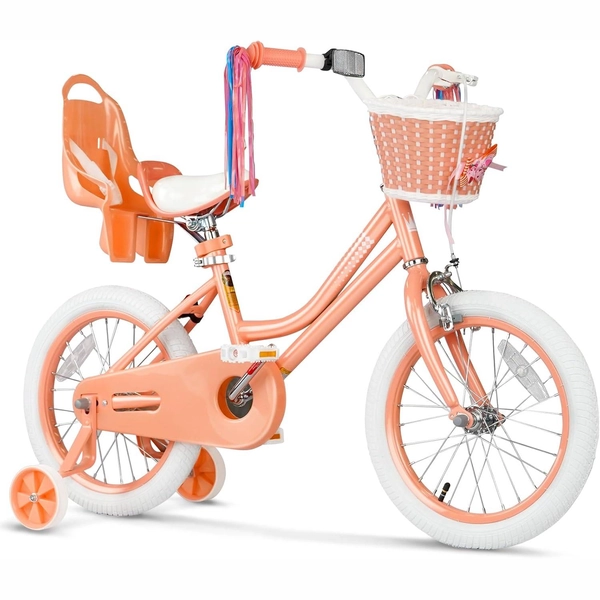
Girls 12/14/16 Inch Kids Bike by XJD with Training Wheels – Peach
The XJD Girls Bike in Peach is a training-wheel bike built for girls roughly 3 t…
Training Wheel Bikes Wheel Size 12 Inch / 14 Inch / 16 Inch Recommended Height 86–122 cm Training Wheels Yes 12 Inch -
Save 12%
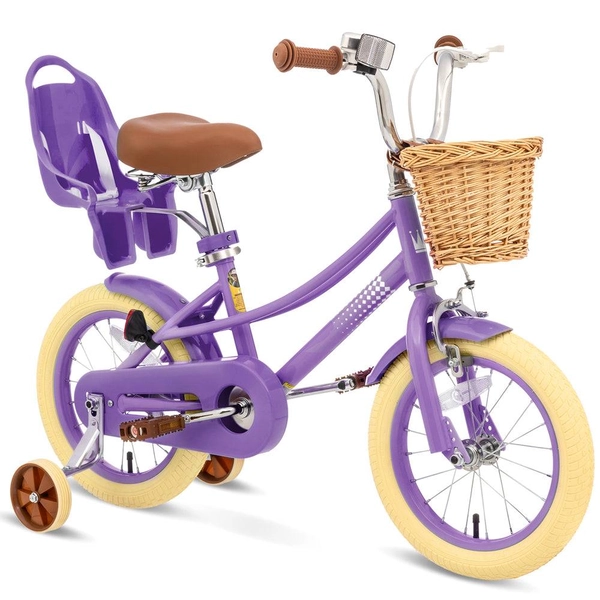
XJD Girls' Bike with Training Wheels, 12/14/16/20 Inch – Purple
The XJD girls' bike with training wheels in Purple is built to grow with your ri…
Training Wheel Bikes Wheel Size 12 Inch / 14 Inch / 16 Inch / 20 Inch Recommended Height 86–152 cm Training Wheels Yes 12 Inch -
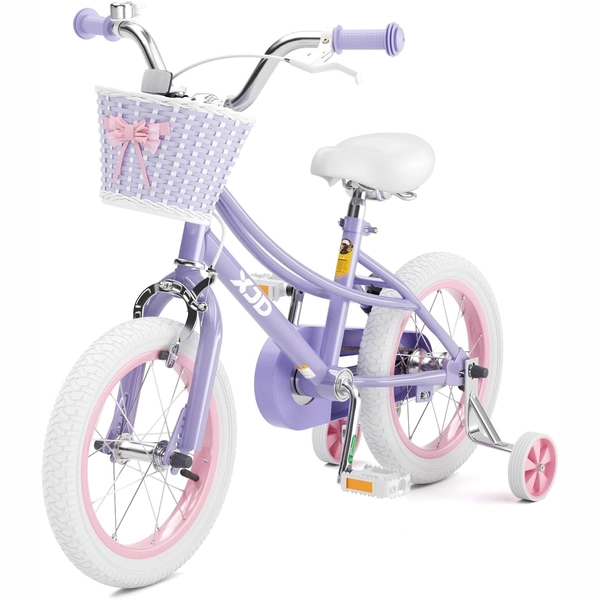
Girls' Training Wheel Bike by XJD with Basket – Purple
If you're shopping for a first bike for a girl roughly 3 to 12 years old (91–152…
Training Wheel Bikes Wheel Size 14 Inch / 16 Inch / 20 Inch Recommended Height 94–152 cm Training Wheels Yes Single Speed 14 Inch