Can you add training wheels to 20 inch bike
Yes, training wheels may be added to some 20-inch bikes, but wheel size alone does not prove compatibility. Check the bicycle’s exact manual or ask a qualified bicycle mechanic before buying or fitting a set.
What determines whether they can be added?
A “20-inch bike” describes its wheel-size class, not its training-wheel mounting system. The bicycle must accept the intended training wheels without interfering with the rear wheel, drivetrain, brakes or other components. The attachment hardware must also match the bicycle’s specific rear-axle and frame arrangement.
Do not assume that a universal-looking kit will fit. Find the bicycle’s model information and consult its manual for compatible accessories, assembly instructions, load limits and required torque. If the manual does not explicitly answer the question, take the bike—and any proposed training-wheel kit—to a qualified bicycle mechanic.
Measure the rider before modifying the bike
First confirm that a 20-inch bicycle is actually the right size. The XBikes starting point for a 20-inch bike is ages 7–12 and a rider height of 48–60 inches (122–152 cm). This is only a starting point; measured height and an individual fit check matter more than age.
Record the child’s height and inseam, then have the child try the bicycle. Check that the rider can stand over it appropriately, reach the handlebar without overextending, steer with control and operate the brakes comfortably. The child should also be able to start and stop with their current level of confidence. Do not choose an oversized bicycle merely to allow room for growth.
If those checks fail, adding training wheels will not correct the underlying sizing or control problem. Compare the rider with a correctly sized bicycle before deciding on an accessory.
What to compare on the bicycle and training wheels
Bring the following information to the product manual, accessory manufacturer or mechanic:
- The bicycle’s brand, exact model and model year, if known.
- The wheel-size label and the exact tire markings.
- Clear views of both sides of the rear axle, including existing hardware.
- The proposed training wheels’ stated bicycle-model, axle and frame compatibility.
- Any manual instructions concerning permitted accessories, assembly, load limits and torque.
Compare written compatibility rather than relying on the words “20 inch” alone. Do not improvise spacers, fasteners or installation steps. Use only the procedure and hardware specified by the exact manuals, or have a qualified bicycle mechanic determine whether installation is appropriate.
When a complete 20-inch training-wheel bike is relevant
If the existing bike cannot accept training wheels—or if compatibility cannot be verified—a complete bicycle sold in a 20 Inch configuration with training wheels is a relevant comparison. The three catalog options below help answer the title because each lists a 20 Inch SKU and is categorized as a Training Wheel Bike; they are complete-bike options, not evidence that an add-on kit will fit an unrelated bicycle.
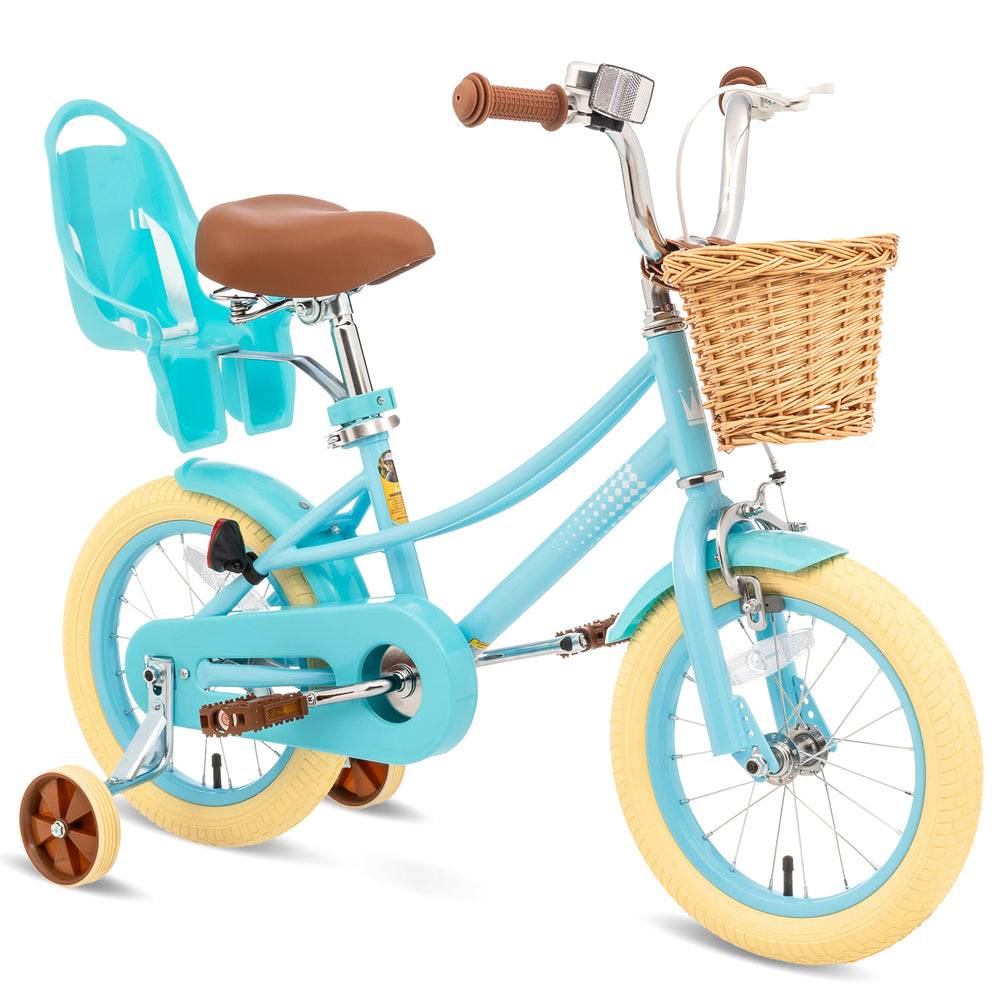 Girls' Training Wheel Bike by XJD, 12–20 Inch Wheels – Blue
This complete training-wheel bike lists a 20 Inch SKU, plus 12, 14 and 16 Inch options. It is relevant as a complete-bike comparison, not proof that training wheels fit another bicycle.
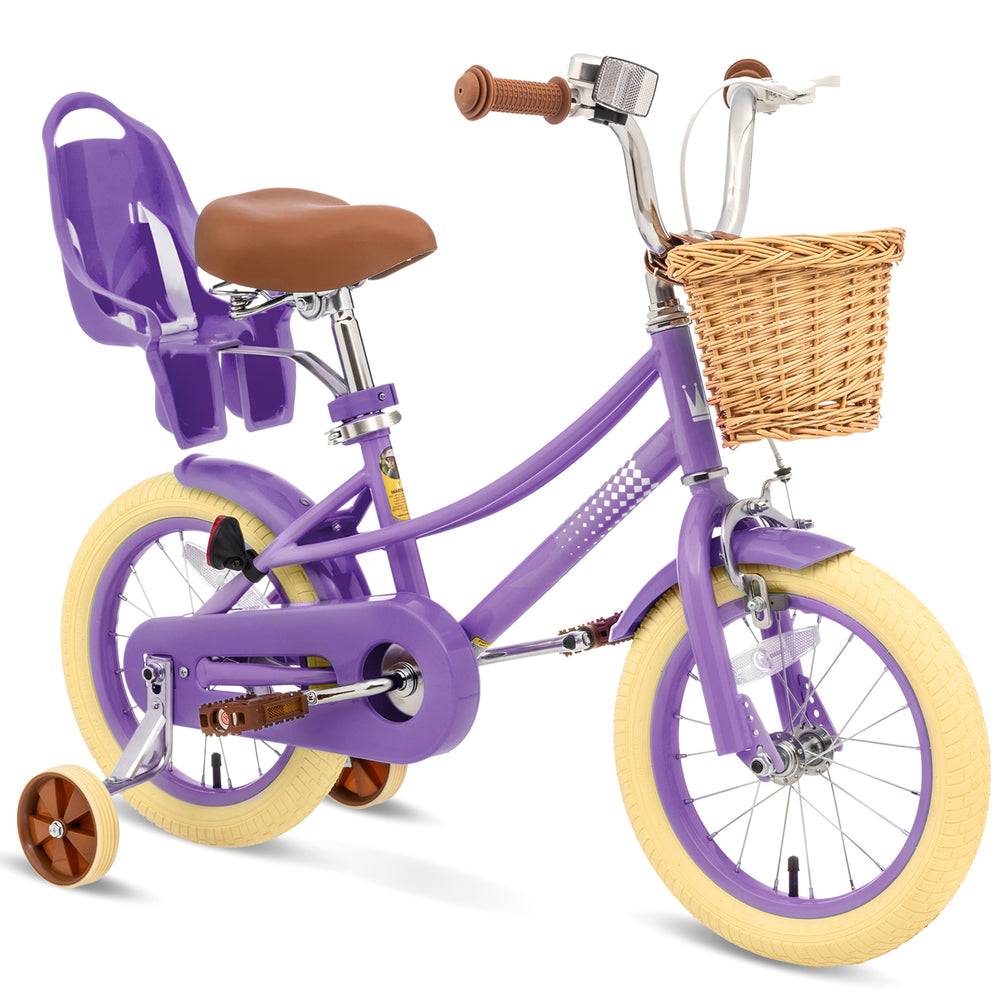 XJD Girls' Bike with Training Wheels, 12/14/16/20 Inch – Purple
This training-wheel bicycle includes a listed 20 Inch SKU alongside 12, 14 and 16 Inch sizes. Use the 20 Inch option as a fit-checked complete-bike comparison rather than an accessory compatibility guide.
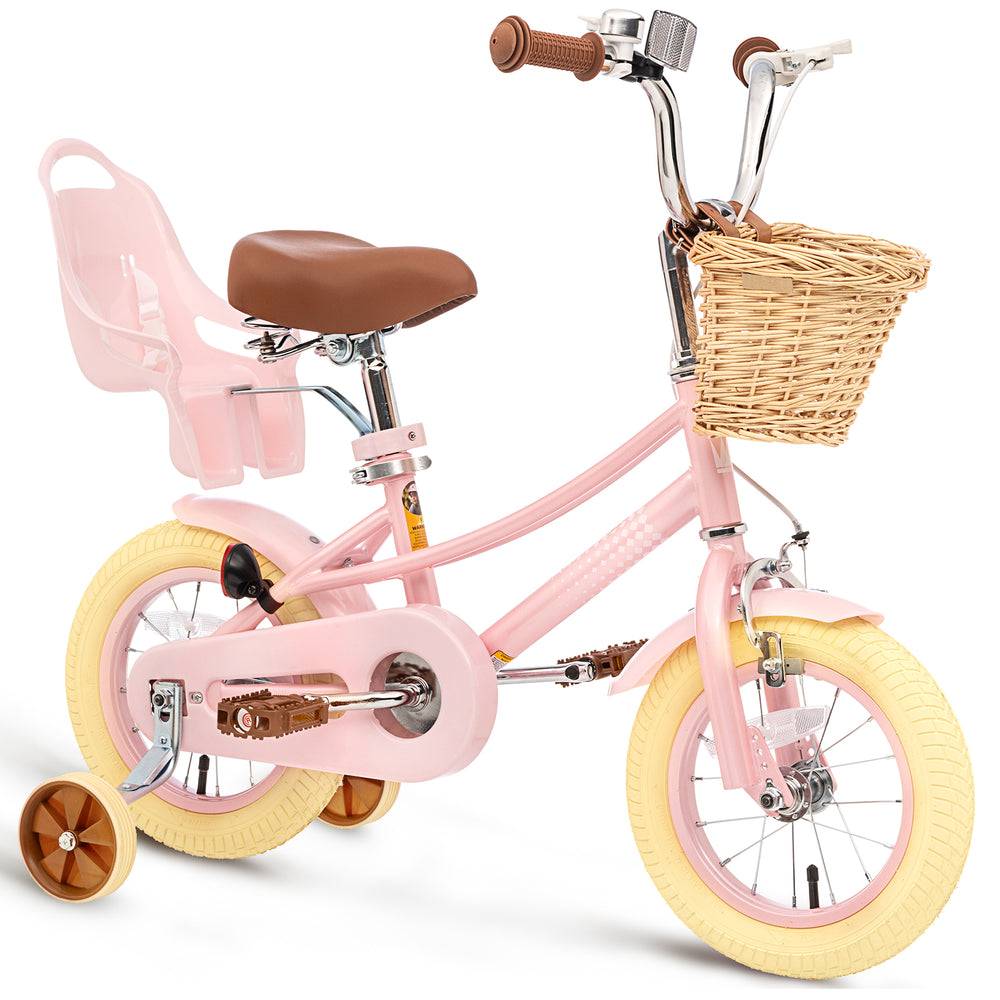 XJD Kids Bike for Girls – Pink, 12/14/16/20 Inch with Training Wheels
This complete bike lists training wheels and a 20 Inch SKU, as well as 12, 14 and 16 Inch choices. Its relevance depends on selecting the rider’s correct size through an individual fit check.
Girls' Training Wheel Bike by XJD, 12–20 Inch Wheels – Blue lists 12 Inch, 14 Inch, 16 Inch and 20 Inch SKU labels. For this question, only its listed 20 Inch configuration is the directly relevant size comparison.
XJD Girls' Bike with Training Wheels, 12/14/16/20 Inch – Purple likewise includes a 20 Inch SKU alongside 12, 14 and 16 Inch choices. Its relevance is as a complete 20-inch training-wheel bicycle option, not as a compatibility guide for another bike.
XJD Kids Bike for Girls – Pink, 12/14/16/20 Inch with Training Wheels also lists 12 Inch, 14 Inch, 16 Inch and 20 Inch SKUs. Select by the rider’s measured fit and control rather than assuming that every listed size suits the same child.
The supplied facts do not specify these products’ hardware, brakes, materials, load limits or assembly requirements. Check the exact product manual for those details and follow its instructions.
Check setup and riding readiness
After any approved installation or complete-bike assembly, have the work checked against the applicable manual before the child rides. A qualified bicycle mechanic should inspect anything unclear, especially mounting compatibility, brake operation or hardware adjustment.
A bicycle helmet is still essential. It must fit properly, sit level and have its straps adjusted according to the helmet manufacturer’s instructions. Training wheels do not replace supervision, a suitable practice area or the rider’s ability to reach and operate the controls.
Your next decision
If the child fits the current 20-inch bike, identify its exact model and obtain written compatibility guidance for a training-wheel kit. If compatibility is not confirmed, do not fit the kit; compare a complete 20 Inch training-wheel bike instead, then verify the child’s stand-over, reach, brake control and confidence before choosing it.
Recommended products
-
Save 16%
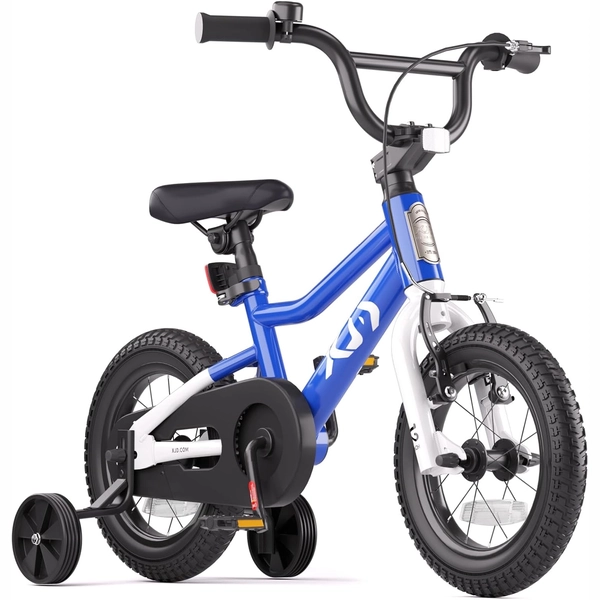
XJD Boys & Girls BMX Bike with Training Wheels, 12/14/16" – Blue
The XJD Boys & Girls BMX Bike in Blue is a first pedal bike for kids roughly age…
Kids' BMX Bikes Wheel Size 12 Inch / 14 Inch / 16 Inch Recommended Height 86–122 cm Training Wheels Yes Single Speed 12 Inch -
Save 15%
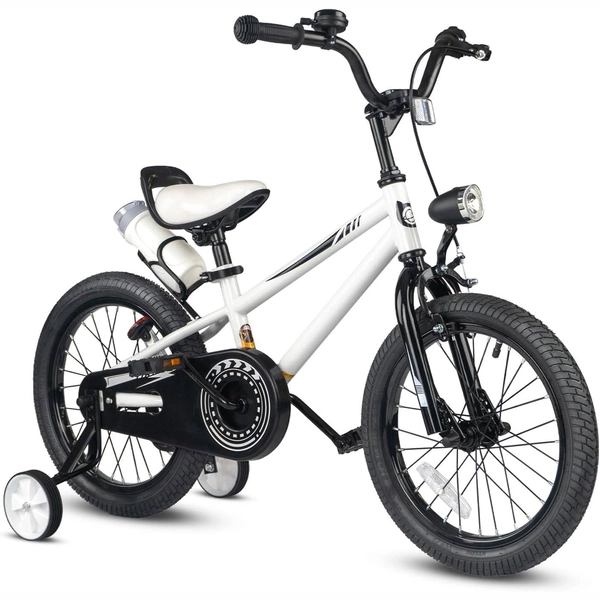
XJD Kids' Training Wheel Bike for Boys & Girls, 12/14/16 Inch – White
The XJD kids' training wheel bike in White is made for riders ages 3–8 (roughly …
Training Wheel Bikes Wheel Size 12 Inch / 14 Inch / 16 Inch Recommended Height 86–122 cm Training Wheels Yes 14 Inch -
Save 15%
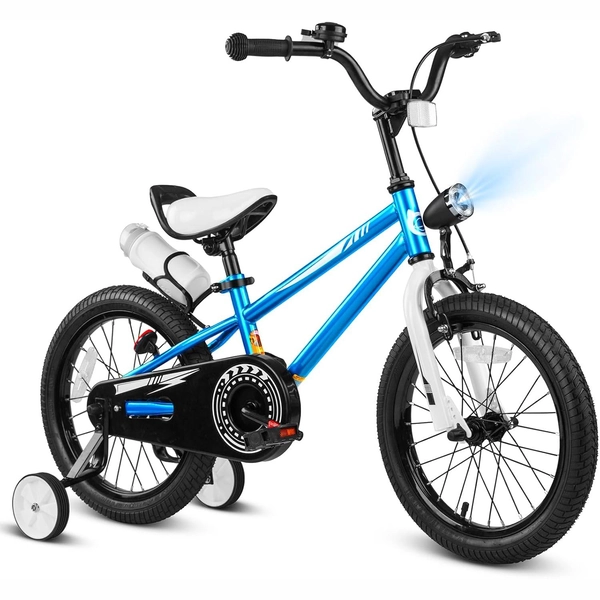
XJD Boys 12/14/16" Training Wheel Bike – Blue
The XJD Boys Bike in Blue is a training wheel bike for riders 71–122 cm tall—rou…
Training Wheel Bikes Wheel Size 12 Inch / 14 Inch / 16 Inch Recommended Height 86–122 cm Training Wheels Yes 16 Inch -
Save 16%
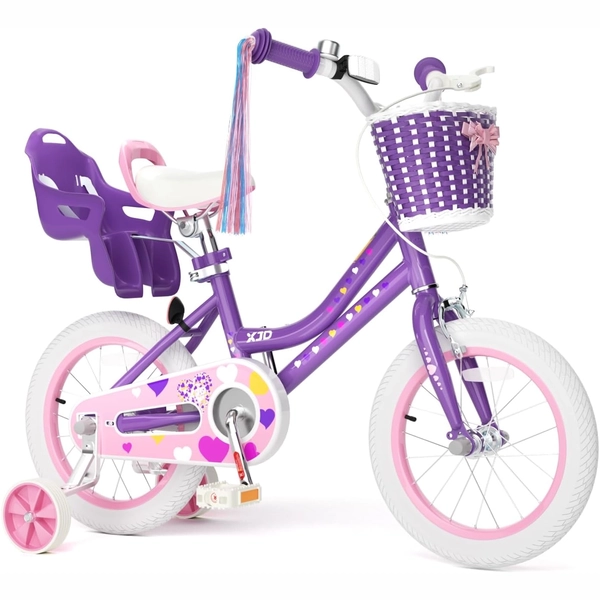
XJD Light Purple Girls Bike with Basket, Training Wheels, 12/14/16/20 Inch
The XJD Girls Bike with Basket in Light Purple is a single-speed training-wheel …
Training Wheel Bikes Wheel Size 12 Inch / 14 Inch / 16 Inch Recommended Height 86–122 cm Training Wheels Yes Single Speed 12 Inch