Can you get training wheels for a 26 inch bike
Yes, training wheels can be fitted to some 26-inch bikes, but compatibility is not universal. Check the bike, rider fit, and support-wheel instructions first.
Start with the rider, not the accessory
A 26-inch bicycle is an XBikes starting point for youth and adults over 60 inches (153 cm) tall. That is only a starting point, not proof that a particular rider fits the bicycle.
Measure the rider’s height and inseam while wearing the shoes normally used for cycling. Then have the rider try the actual bike. Check that there is appropriate stand-over clearance, the reach is comfortable, the handlebars can be controlled without stretching, and every brake control can be operated confidently. Current confidence matters as much as the size label.
Do not choose an oversized bicycle merely to allow room for growth. Training wheels cannot correct a frame that is too large, an excessive reach, poor stand-over clearance, or brakes the rider cannot operate. This follows the fit-first approach recommended by the American Academy of Pediatrics through HealthyChildren.
What to inspect on a 26-inch bike
Before buying any support-wheel kit, identify the bicycle’s exact make, model, frame configuration, wheel size, and rear attachment arrangement. Inspect the area around the rear wheel for parts or structures that could affect mounting. Do not assume that a product marked “26 inch” will attach to every bicycle with 26-inch wheels.
Compare the bicycle with the compatibility list and diagrams in the exact training-wheel manual. Confirm that the manufacturer permits the bicycle type and mounting arrangement, and check the stated rider or load limits. Use only the supplied hardware and follow the manual for assembly, adjustment, inspection, and torque requirements. None of those specifications can be inferred from wheel diameter alone.
If the manual is missing, the bike is unusual, parts interfere with the proposed mounting points, or the instructions do not clearly confirm compatibility, ask a qualified bicycle mechanic to inspect both the bicycle and the intended kit. Do not improvise brackets, fasteners, or installation procedures.
How to compare a possible training-wheel kit
Use this decision sequence before purchasing or installing anything:
- Verify bicycle fit: confirm measured height, inseam, stand-over clearance, reach, brake control, and rider confidence.
- Match the wheel label: the kit must explicitly include 26-inch bicycles; a smaller wheel label is not equivalent.
- Confirm the bike configuration: compare the actual rear mounting area with the manual’s approved arrangements and exclusions.
- Check limits and instructions: follow the manufacturer’s stated compatibility and load limits without guessing.
- Plan professional help when needed: use a qualified bicycle mechanic if any mounting, clearance, adjustment, or hardware question remains unresolved.
How the XBikes catalog options relate
The supplied XBikes products help show the size distinction clearly. Pink 12/14/16/20" XJD Girls Bike with Training Wheels & Basket is offered in 12 Inch, 14 Inch, 16 Inch, and 20 Inch labels. Light Pink XJD Girls' Bicycle with Basket & Training Wheels is also offered in 12 Inch, 14 Inch, 16 Inch, and 20 Inch labels.
Neither supplied product has a 26 Inch SKU label. They are nearest-size catalog comparison points for bicycles that include training wheels, not substitutes for a 26-inch bicycle or evidence that their training wheels fit one. Their listed sizes stop at 20 Inch, so they do not answer a 26-inch mounting or compatibility question.
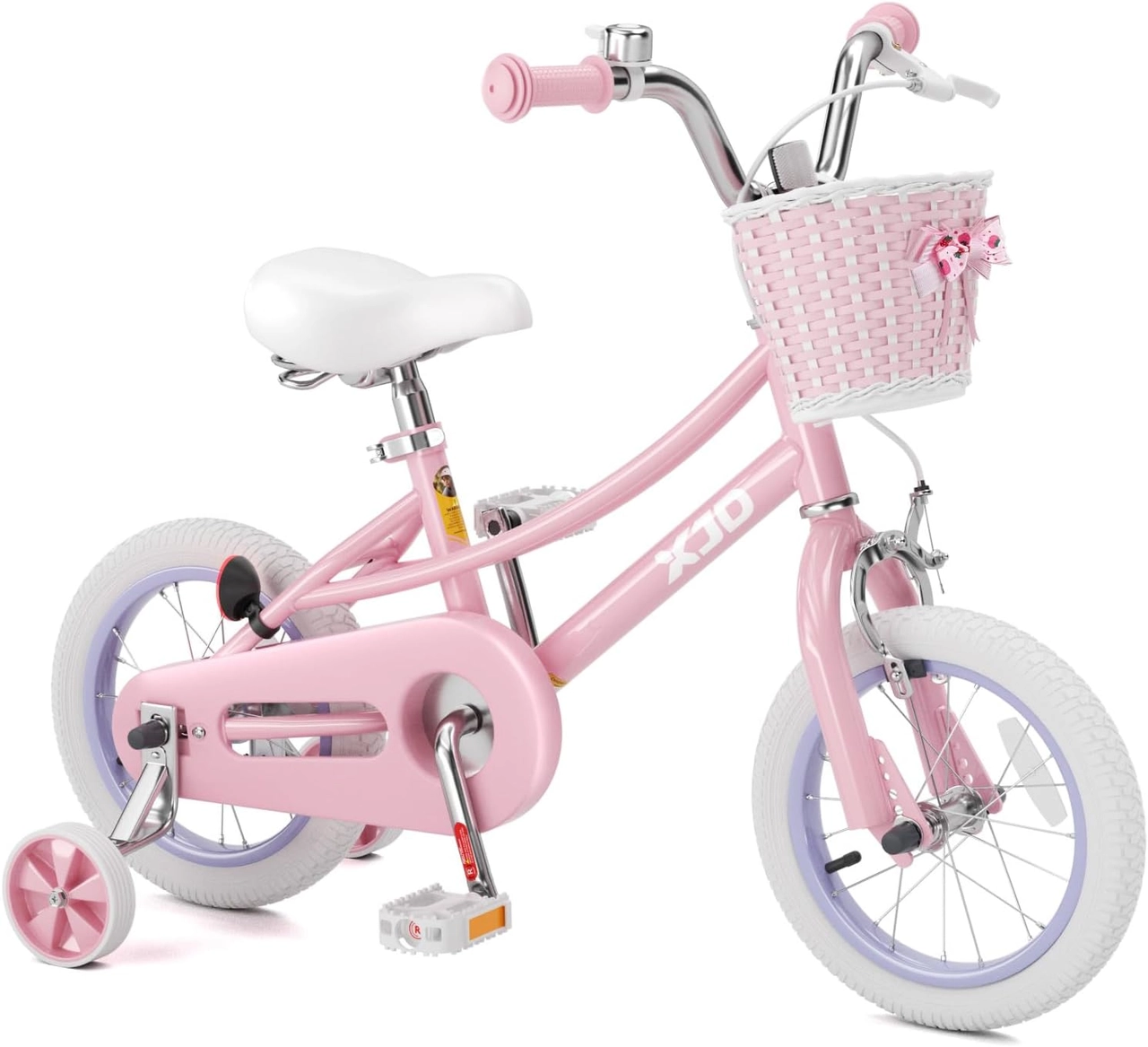 Pink 12/14/16/20" XJD Girls Bike with Training Wheels & Basket
Offered with 12 Inch, 14 Inch, 16 Inch, and 20 Inch SKU labels. It provides a smaller-size comparison point but has no supplied 26 Inch option and is not a substitute for one.
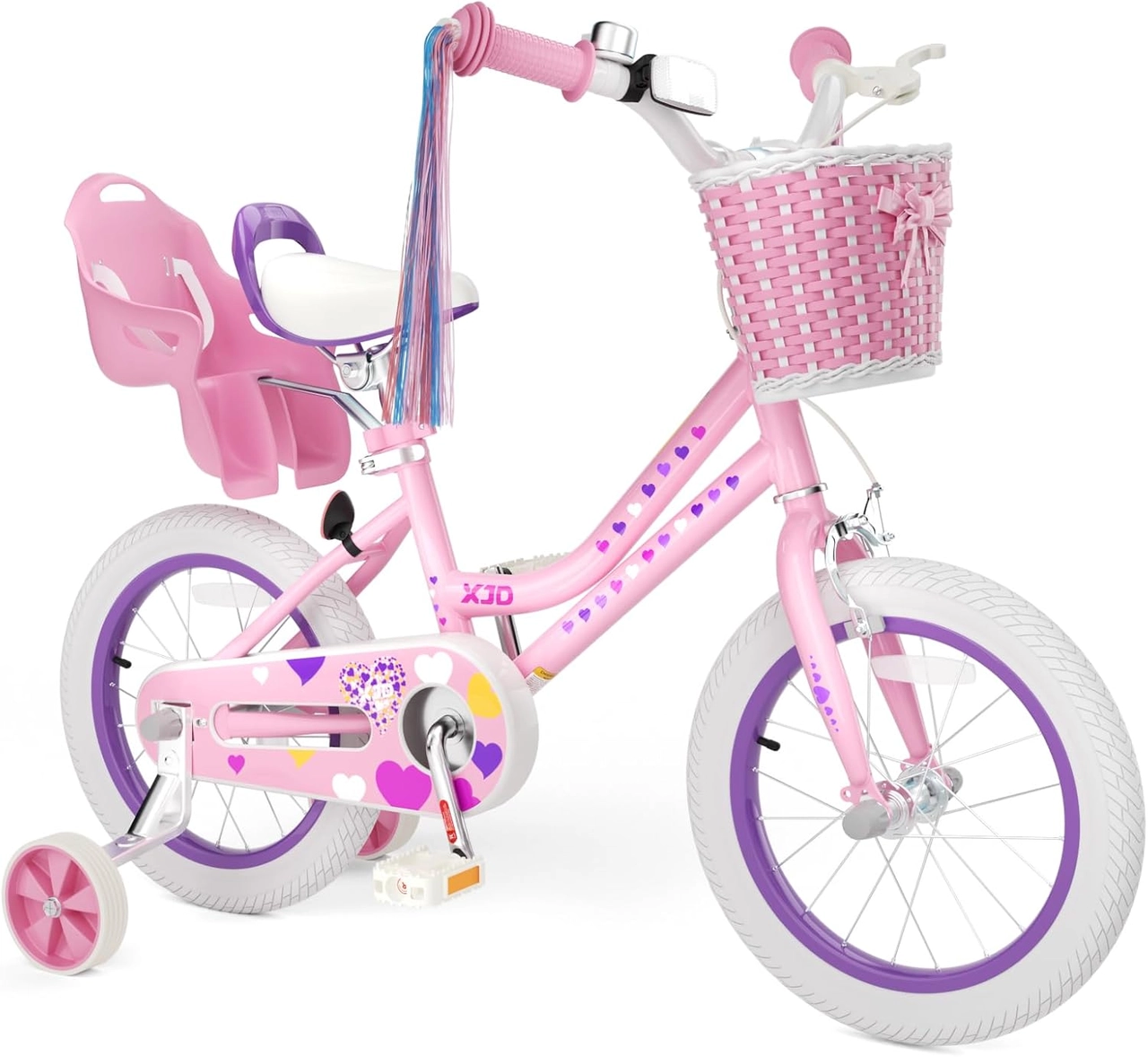 Light Pink XJD Girls' Bicycle with Basket & Training Wheels
This bicycle with basket and training wheels is listed in 12 Inch, 14 Inch, 16 Inch, and 20 Inch sizes only. It does not establish compatibility with a 26-inch bicycle.
When a smaller bicycle may be relevant
A smaller catalog option is relevant only if an individual fit check shows that the rider should be on that smaller wheel-size starting point. Under the XBikes standard, 20 Inch begins at ages 7–12 and rider heights of 48–60 inches (122–152 cm), while 26 Inch begins above 60 inches (153 cm). Age is secondary to the rider’s measurements and control.
The two supplied products may therefore be compared when a rider fits one of their listed 12, 14, 16, or 20 Inch choices and the exact product is evaluated individually. They should not be selected simply because a rider wants training wheels. A 20-inch bicycle is not equivalent to a 26-inch bicycle, and moving down in wheel size without checking stand-over, reach, braking, and comfort can create a different fit problem.
Safety check and next decision
After installation performed according to the exact manual, have the complete bicycle checked before riding. Use a properly fitting bicycle helmet that sits level, with straps adjusted according to the helmet manufacturer’s instructions, consistent with U.S. Consumer Product Safety Commission guidance. Begin only in an appropriate controlled riding area with suitable supervision for the rider’s ability.
Your next step is specific: measure the rider, verify that the 26-inch bicycle fits, then obtain the exact bike and training-wheel manuals and compare their compatibility requirements. If both documents do not clearly support the combination, do not install the kit; take the bike and proposed support wheels to a qualified bicycle mechanic.
Recommended products
-
Save 15%
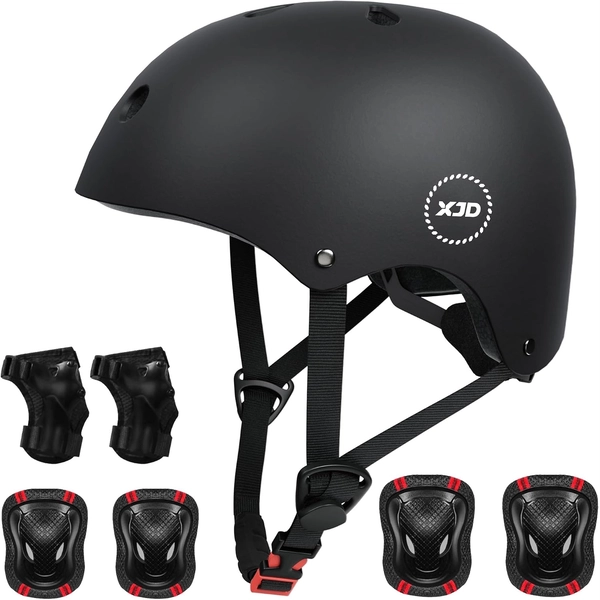
XJD Kids Helmet & Pad Set – Black, S/M/L
This XJD Kids Helmet & Pad Set in Black is designed for kids aged 3 to 8, pairin…
Bike Helmets S -
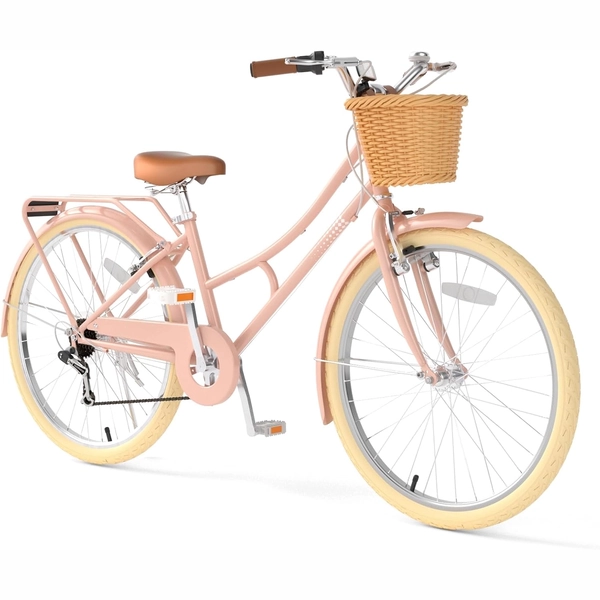
Pink XJD Beach Cruiser Bike, 24"/26", U-Brake
The XJD Pink Beach Cruiser Bike is a single-speed cruiser built for older kids a…
Beach Cruiser Bikes Wheel Size 24 Inch / 26 Inch Recommended Height 137–200 cm Training Wheels No Single Speed 24 Inch -
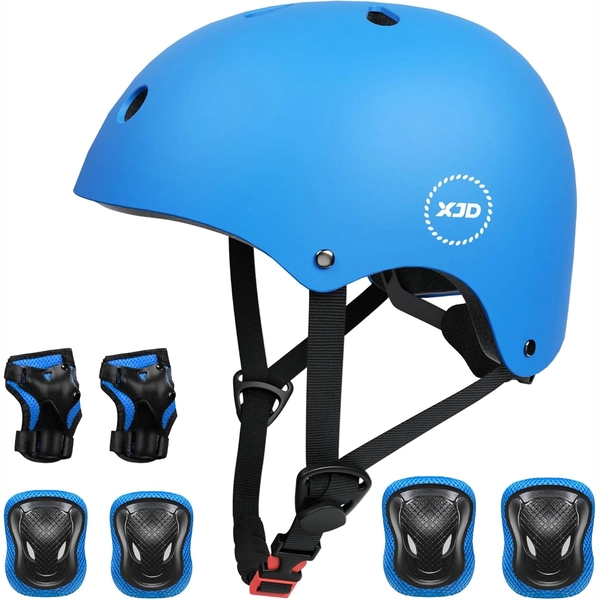
Blue XJD Helmet & Protective Gear Set for Kids, Sizes S/M
The Blue XJD Helmet & Protective Gear Set is made for kids roughly 3 to 8 years …
Bike Helmets S -
Save 14%
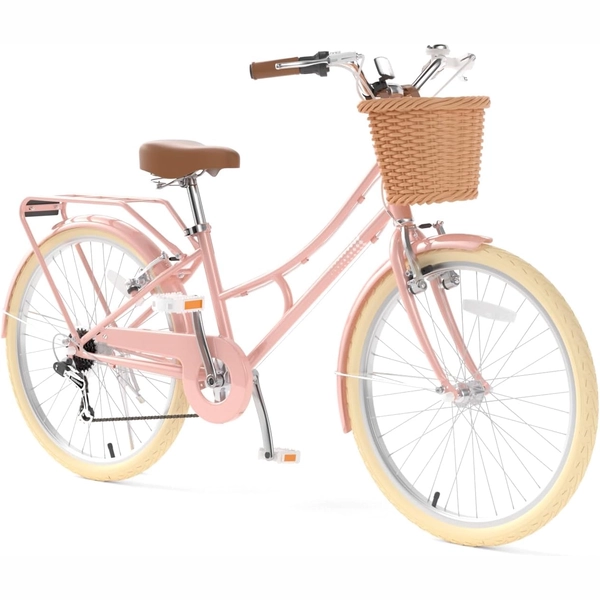
XJD Pink Beach Cruiser for Girls – Rear Rack & V-Brake
The XJD Pink Beach Cruiser for girls is the step-up bike for riders who've outgr…
Beach Cruiser Bikes Wheel Size 20 Inch / 24 Inch / 26 Inch Recommended Height 122–200 cm Training Wheels No Geared 20 Inch