Can you put training wheels on a 26 inch bike
Yes, training wheels can sometimes be fitted to a 26-inch bike, but only with a stabilizer system specifically compatible with that bicycle. Standard children’s training wheels are not automatically suitable.
Why the answer depends on the bicycle
A 26-inch wheel describes wheel size, not the shape or strength of the mounting points. Training wheels usually attach around the rear axle, so compatibility depends on the complete rear-wheel assembly and the stabilizer manufacturer’s requirements.
Before buying anything, identify the bicycle’s exact model and examine both sides of the rear axle. Note whether there is accessible axle hardware, and look for anything that could obstruct a bracket, including the derailleur, chain, guard, brake components, frame tubes or cables. Do not remove, bend or improvise around those parts to make a generic kit fit.
A system must also be intended for the rider and bicycle involved. Follow the exact bicycle and stabilizer manuals for mounting method, load limits, compatibility and torque. If either manual is unavailable or the fit is uncertain, ask a qualified bicycle mechanic to inspect the bike.
What to measure before choosing
First confirm that the bicycle itself fits the rider. Measure the rider’s standing height and inseam, then have them try the bike. Check that they can stand over it appropriately, reach the handlebar without overextending, turn it under control, and comfortably operate the brakes. Age is only a starting point.
For the stabilizer system, collect these details for comparison with its manual:
- The bicycle’s labeled wheel size: 26 inches.
- The rear axle and fastening arrangement on both sides.
- The available clearance around the axle, derailleur, chain, brake parts and frame.
- The bicycle and rider load information specified by the relevant manufacturers.
- Any model-specific restrictions in the bicycle manual.
Do not assume that a bracket fits because its opening appears close to the axle size. The complete mounting arrangement must match the manufacturer’s instructions.
Check whether a 26-inch bike is the right size
XBikes uses the following wheel-size starting points, but they do not replace an individual fit check:
| Wheel size | Starting point |
|---|---|
| 20 Inch | Ages 7–12; height 48–60 in / 122–152 cm |
| 24 Inch | Ages 10–14; height 54–64 in / 137–163 cm |
| 26 Inch | Youth and adults over 60 in / 153 cm |
Measured height, inseam, reach, brake control and current confidence matter more than age alone. Do not choose an oversized bicycle merely to allow room for growth. If the rider cannot control the 26-inch bike while stopped and moving slowly, adding training wheels does not correct the underlying fit problem.
How the supplied XBikes products compare
The catalog options help establish what ordinary training-wheel bicycles in this category cover. Pink 12/14/16/20" XJD Girls Bike with Training Wheels & Basket is offered in 12 Inch, 14 Inch, 16 Inch and 20 Inch labels. Light Pink XJD Girls' Bicycle with Basket & Training Wheels has the same four available size labels.
Neither supplied product has a 26 Inch option. They are nearest-size catalog comparison points, not substitutes for a 26-inch bicycle or evidence that their training-wheel hardware will fit one. Their largest supplied label is 20 Inch, which is a different wheel size.
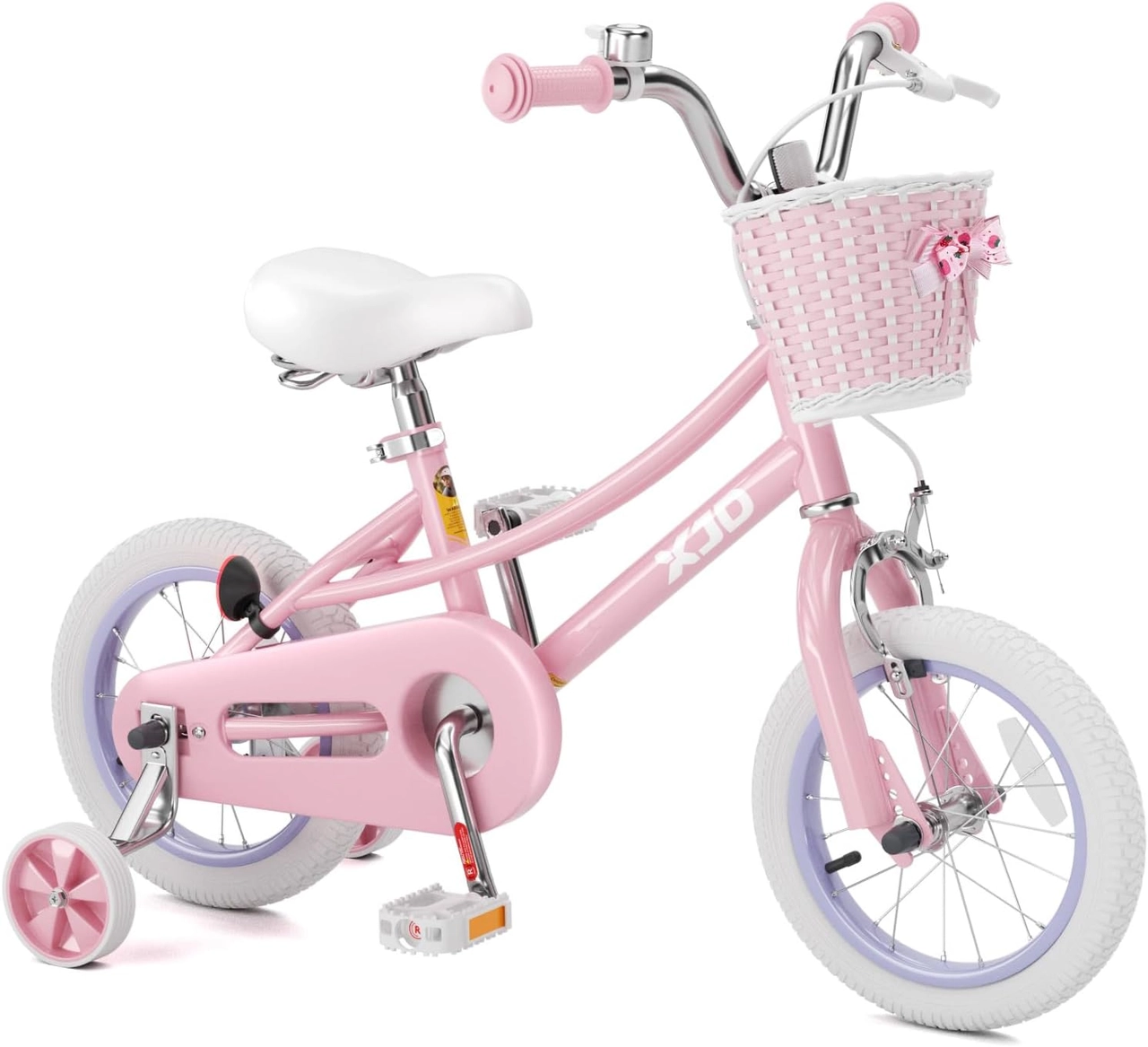 Pink 12/14/16/20" XJD Girls Bike with Training Wheels & Basket
Available in 12, 14, 16 and 20 Inch labels with training wheels and a basket. It provides a smaller-size comparison, but has no supplied 26 Inch option and is not a substitute for one.
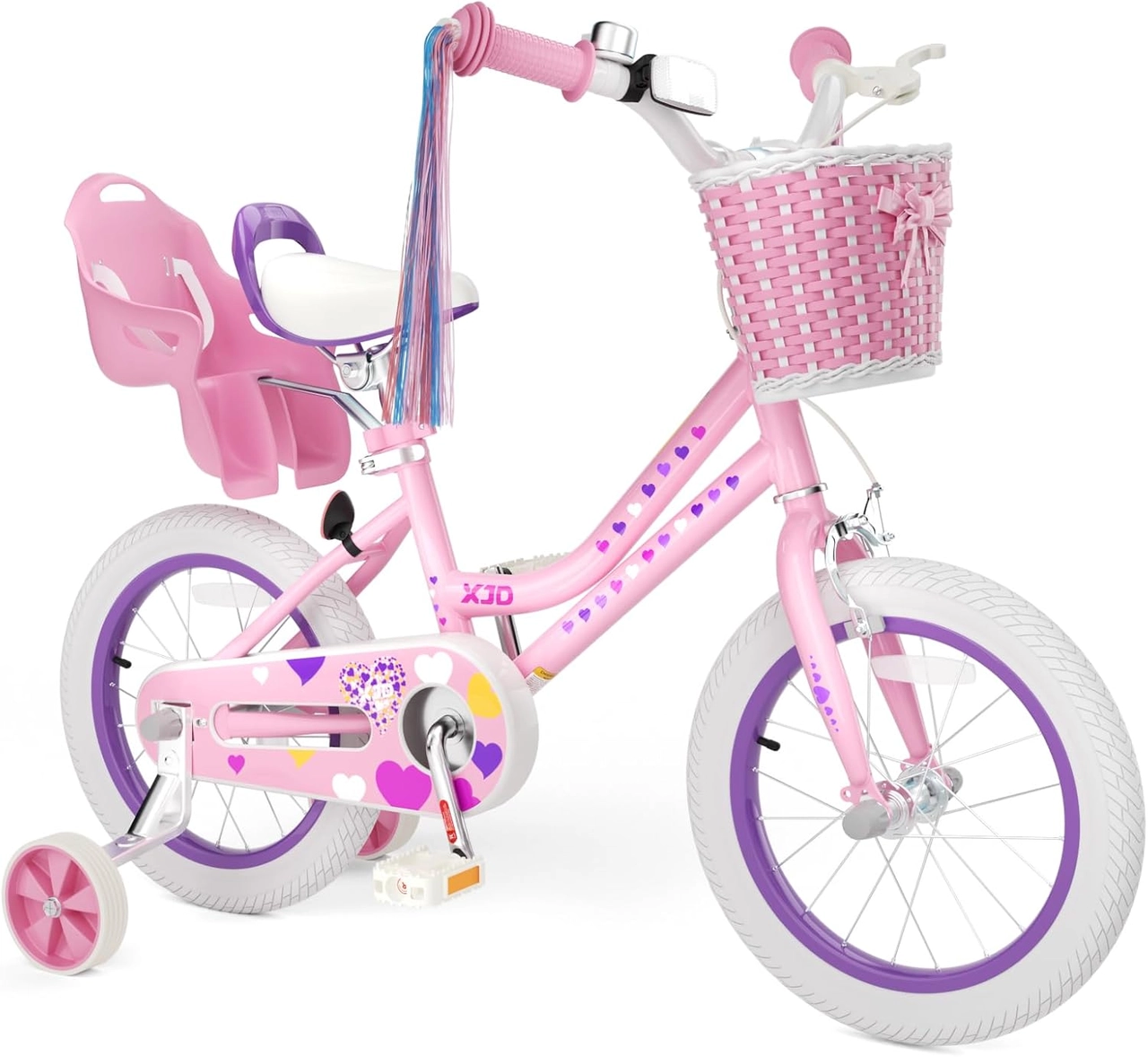 Light Pink XJD Girls' Bicycle with Basket & Training Wheels
This bicycle includes a basket and training wheels and is offered in 12, 14, 16 and 20 Inch labels. Its catalog facts do not establish compatibility with an existing 26-inch bicycle.
Use these products only if a separate fit check points to one of their listed sizes and the exact product documentation suits the rider. Their titles and size labels do not establish compatibility with an existing 26-inch bike.
What to do next
- Confirm the rider fits and can operate the 26-inch bicycle, especially the brakes.
- Record the bicycle’s exact make and model, rear-axle arrangement and nearby obstructions.
- Compare those details with a stabilizer system explicitly documented for that bicycle configuration, wheel size and applicable load.
- Have a qualified bicycle mechanic verify and install it when compatibility, assembly or torque is unclear.
- Before every ride, follow the manuals’ inspection instructions and use a properly fitting bicycle helmet that sits level, with straps adjusted according to its manufacturer’s directions.
Make the 26-inch decision
Proceed only if the rider genuinely fits the 26-inch bike and a manufacturer-approved stabilizer system matches its rear assembly and load requirements. If either condition fails, do not adapt the supplied 12–20 Inch products or improvise hardware; choose a correctly fitting bicycle or seek a mechanic’s compatible solution.
Recommended products
-

Blue XJD Kids' Bike Helmet, Adjustable Fit – Sizes XS & S
The Blue XJD Kids' Bike Helmet is a lightweight, adjustable helmet for toddlers …
Bike Helmets XS (46–51 cm) -
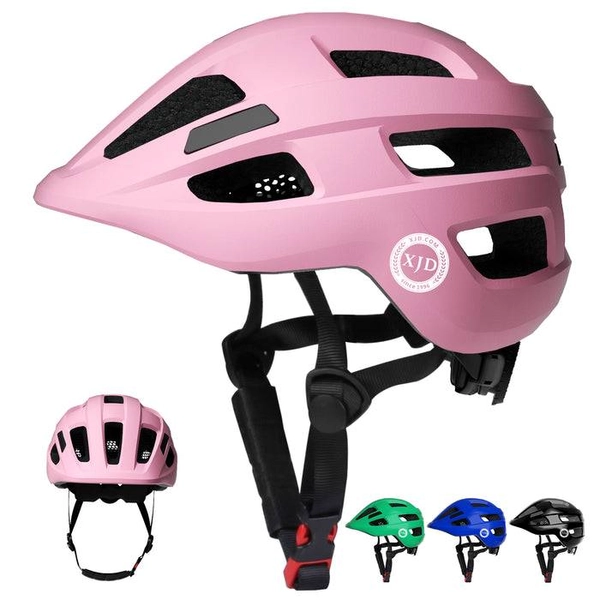
Kids Bike Helmet by XJD for Boys & Girls – Black, Blue, Green, Pink, Purple
The XJD Kids Bike Helmet covers a wide 2-to-8-year age range thanks to two head-…
Bike Helmets Pink / M:20.47"-22.05" / 52-56 cm -
Save 12%
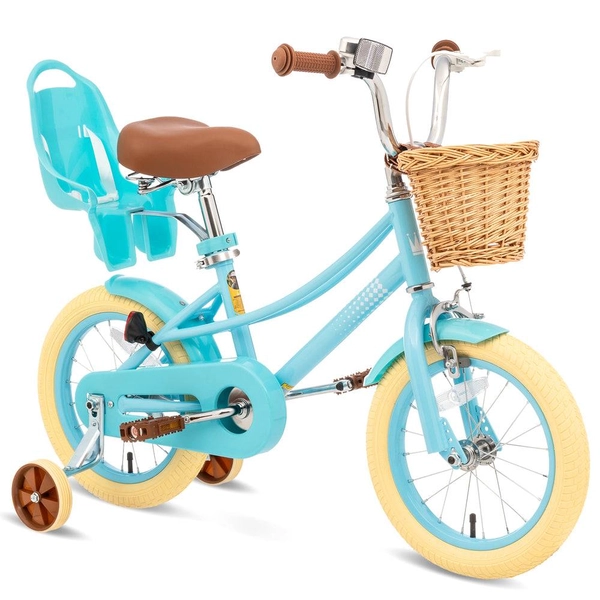
Girls' Training Wheel Bike by XJD, 12–20 Inch Wheels – Blue
This XJD girls' training wheel bike in Blue covers one of the widest fit ranges …
Training Wheel Bikes Wheel Size 12 Inch / 14 Inch / 16 Inch / 20 Inch Recommended Height 86–152 cm Training Wheels Yes 12 Inch -
Save 15%
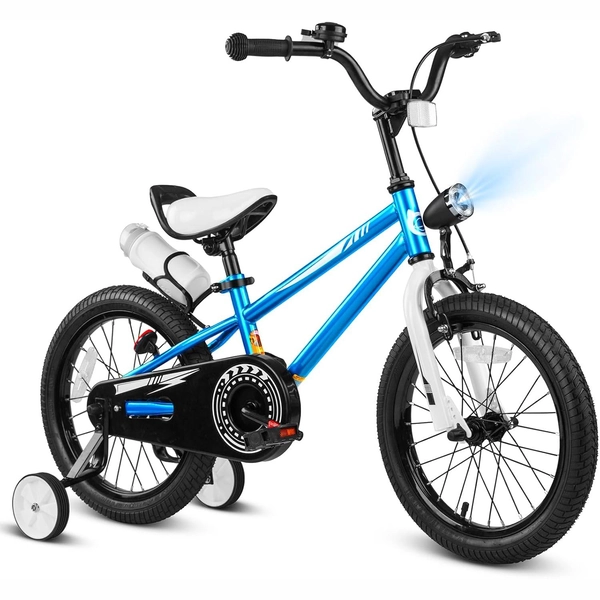
XJD Boys 12/14/16" Training Wheel Bike – Blue
The XJD Boys Bike in Blue is a training wheel bike for riders 71–122 cm tall—rou…
Training Wheel Bikes Wheel Size 12 Inch / 14 Inch / 16 Inch Recommended Height 86–122 cm Training Wheels Yes 16 Inch