How Long Should Kids Use Training Wheels?
How long should kids use training wheels? There is no fixed number of days, months or birthdays. Training wheels can help a child learn pedaling and basic steering, but readiness to transition depends on fit, interest, balance practice, starts, stops and confidence. Avoid turning removal into a deadline or competition.
Watch skills rather than the calendar
Look for smooth forward pedaling, eyes up, predictable steering and reliable stops on a flat route. The child should understand the brake and place a foot down calmly. Repeated leaning heavily on one support suggests more balance work is useful.
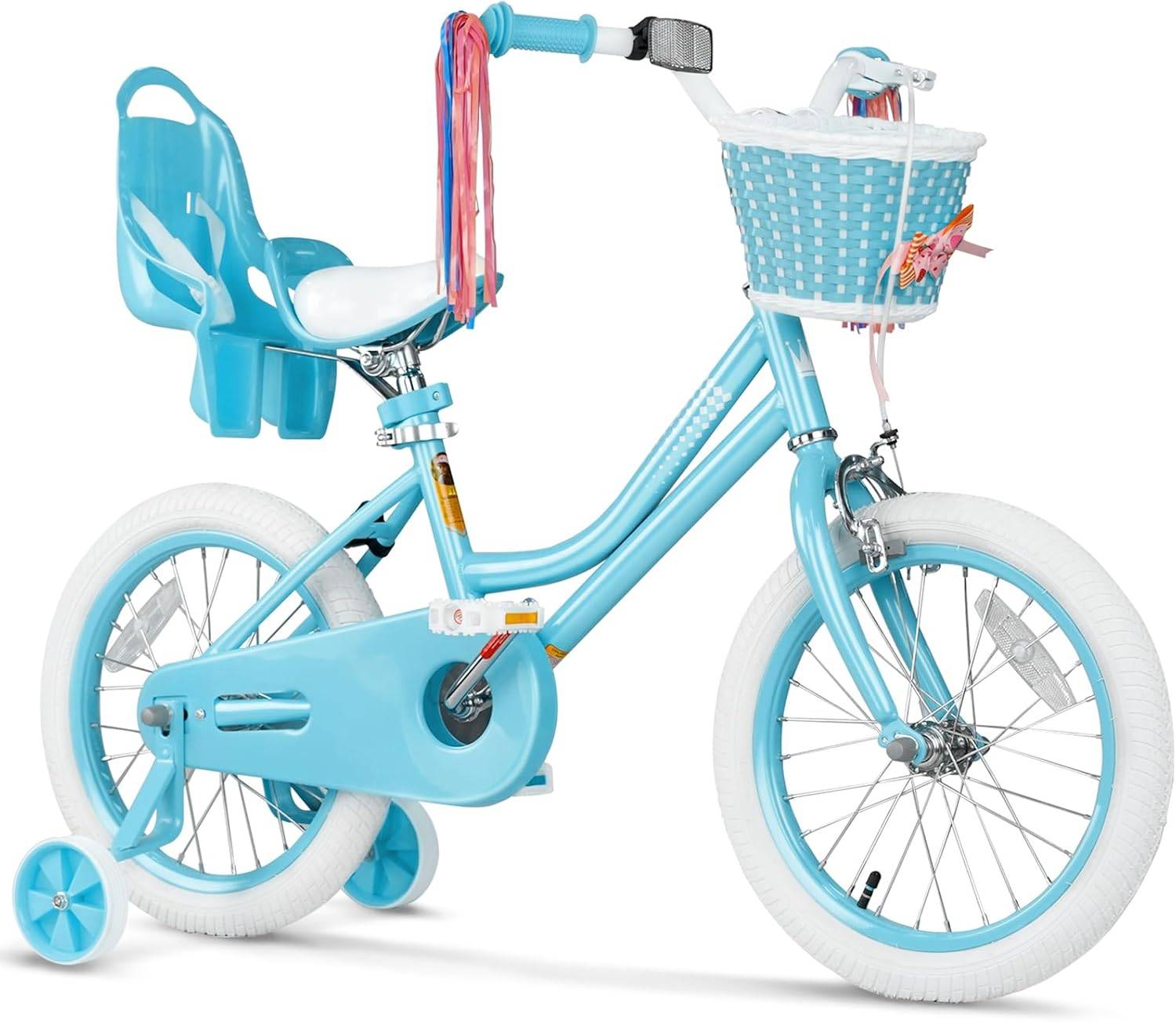
Create separate balance practice
Training wheels limit the bicycle's normal lean, so include walking and gliding practice on a suitable balance bike or through a model-approved teaching setup. Do not raise supports beyond the manufacturer's allowed position to force balance.
Ask about confidence
A child who has the physical skill may still need a few shorter sessions. Explain what will change, choose a quiet day and let them stop. Sudden removal without consent can turn normal wobbling into fear and reduce willingness to practice.
Plan a reversible transition
Keep all original parts labeled and follow the exact removal procedure. Use a wide level area and direct adult supervision. If control declines, return to easier gliding practice rather than reinstalling hardware loosely or using an improvised support.
Recheck bicycle fit during the decision
A growth spurt can make a familiar supported bike cramped, while a newly purchased larger bike may be hard to control. Confirm saddle range, stand-over space, reach and brakes before deciding that the training wheels themselves are the only issue.
How current product examples clarify the choice
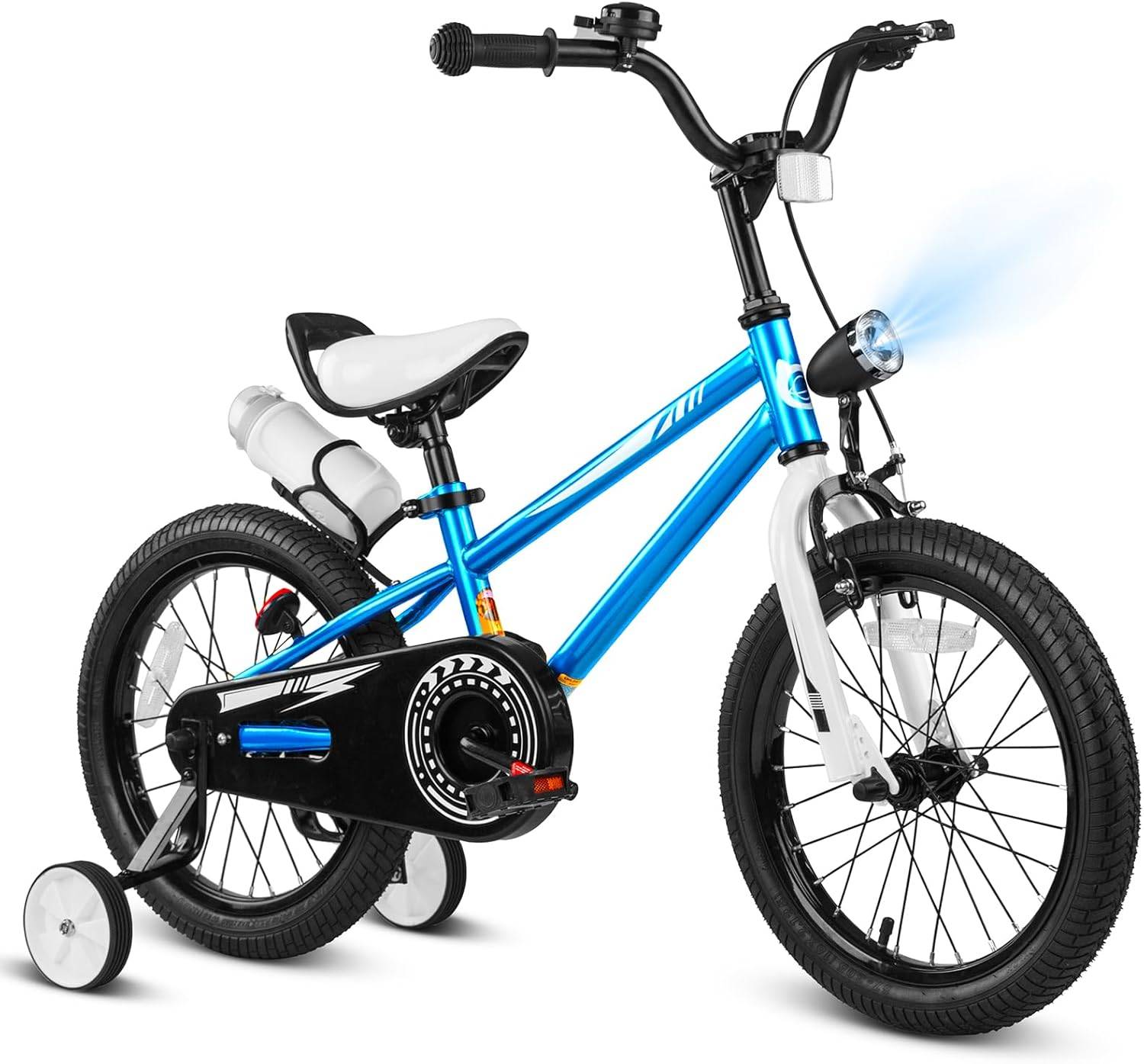
The Blue XJD 12/14/16-Inch Training Wheel Bike and Blue XJD 12/14/16-Inch Kids Bike show adjacent sizes for early pedal practice. Their availability does not set a training-wheel duration; the current child and the exact model's instructions do.
Practical checklist
- Judge repeated skills, not age.
- Practice balance separately.
- Include the child in the decision.
- Keep original hardware and instructions.
Frequently asked questions
Should training wheels come off at age five?
Not automatically. Readiness and fit vary widely between children.
Can I raise both wheels high to teach balance?
Use only the clearance allowed by the exact system; do not improvise a forced transition.
Before making the final choice, revisit the exact route or driving area at the time it will normally be used. A setup that works during a quiet test may need more room, visibility or adult support when other people and everyday obstacles are present.
Bottom line
Use the answer to how long should kids use training wheels as a decision process, not a shortcut. Confirm the live product data and manual, match the rider to the controls and setting, and favor repeatable control over a larger size or higher performance label.
Recommended products
-
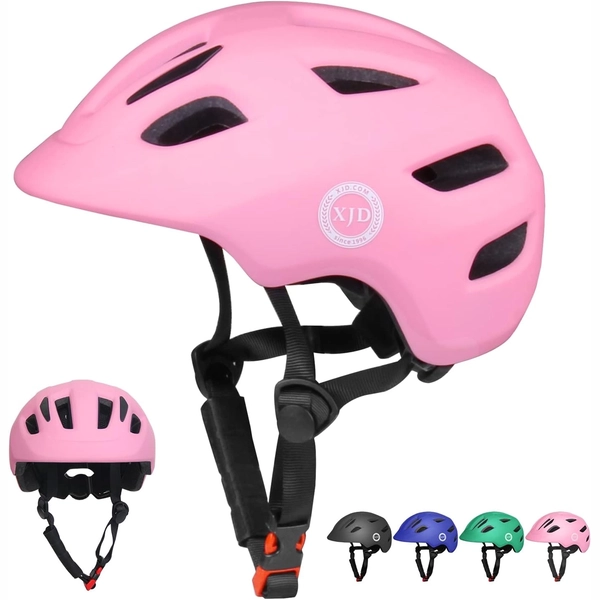
Pink Adjustable Kids Helmet by XJD – Toddler Bike Helmet, XS & S
This Pink XJD Adjustable Kids Helmet is built for toddlers and kids who ride bik…
Bike Helmets XS (46–51 cm) -
Save 12%
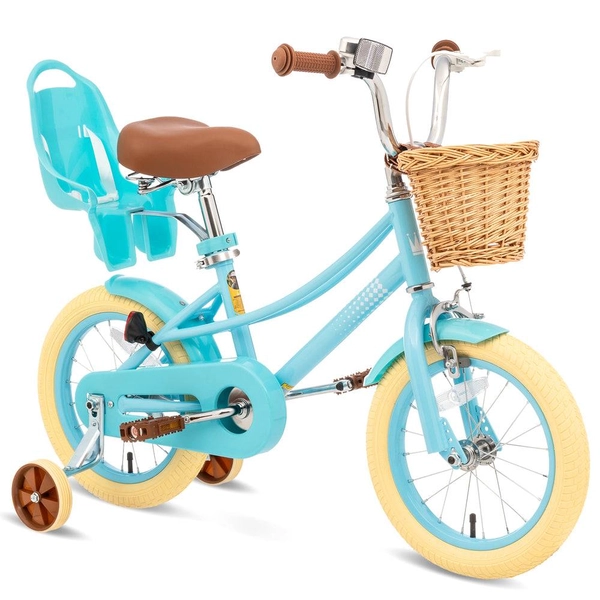
Girls' Training Wheel Bike by XJD, 12–20 Inch Wheels – Blue
This XJD girls' training wheel bike in Blue covers one of the widest fit ranges …
Training Wheel Bikes Wheel Size 12 Inch / 14 Inch / 16 Inch / 20 Inch Recommended Height 86–152 cm Training Wheels Yes 12 Inch -
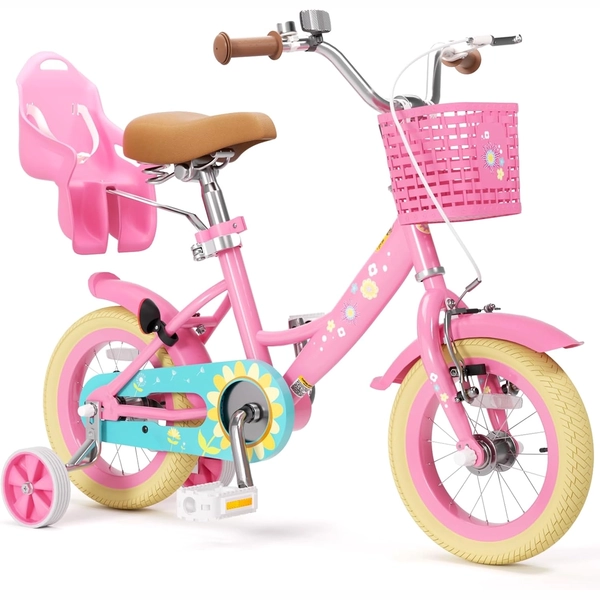
Flower Pink XJD Girls Bike with Doll Seat & Basket
The XJD Flower Pink girls' bike is made for riders 71–122 cm tall (roughly ages …
Training Wheel Bikes Wheel Size 12 Inch / 14 Inch / 16 Inch Recommended Height 86–122 cm Training Wheels Yes Geared 12 Inch -
Save 24%
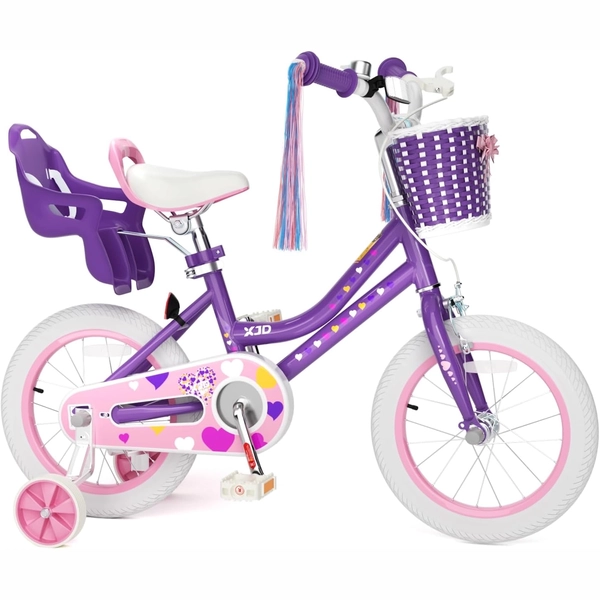
Purple XJD Girls' Bike with Doll Seat & Basket
For girls 71–122 cm tall (about ages 3–7), this XJD girls' bike in Purple pairs …
Training Wheel Bikes Wheel Size 12 Inch / 14 Inch / 16 Inch Recommended Height 86–122 cm Training Wheels Yes Geared 12 Inch