Can kids learn to ride a bike without training wheels
Yes. Many children can learn to ride a bike without training wheels by first mastering balance, steering and stopping, then adding pedaling.
Start with balance, not pedals
Training wheels are not a required learning stage. A child can begin on a suitable bicycle configured for balance practice, provided the bicycle’s manual permits that setup. The goal is to let the child sit securely, push along, lift both feet briefly and glide without an adult holding the handlebar.
If pedals or other parts must be removed or adjusted, follow the exact product manual or ask a qualified bicycle mechanic. Do not improvise a modification when compatibility, assembly instructions or torque values are unknown.
Choose a flat, open area away from traffic, slopes and obstacles. Fit a bicycle helmet so it sits level and the straps are adjusted according to the helmet manufacturer’s instructions. Stay close enough to help, but avoid steering for the child; independent balance is the skill being learned.
Measure the rider before choosing a wheel size
Measure the child’s height and inseam without shoes, then have the child try the actual bicycle. Age is only a starting point. Check that the rider can stand over the bicycle, reach the handlebar without stretching, turn it comfortably and operate the brakes with control. Never select an oversized bicycle merely to allow room for growth.
| Wheel size | Starting age | Rider height |
|---|---|---|
| 12 Inch | 3–4 | 34–40 in / 86–102 cm |
| 14 Inch | 3–6 | 37–45 in / 94–114 cm |
| 16 Inch | 4–7 | 40–48 in / 102–122 cm |
| 20 Inch | 7–12 | 48–60 in / 122–152 cm |
These ranges overlap because children differ in proportions and confidence. Use measured height to narrow the options, then compare inseam clearance, reach and brake control on the assembled bicycle. A wheel-size label alone cannot confirm fit.
Check whether your child is ready
A child is ready to progress when they can push off voluntarily, look ahead, steer around a gentle path, glide for several moments and stop on request without panic. Confidence matters: repeated short sessions usually work better than forcing a long lesson.
- Continue balance practice if the child frequently tips at a standstill, looks down continuously or needs an adult to hold the bicycle.
- Add pedaling when gliding, steering and controlled stopping are consistent.
- Pause and reassess fit if the child cannot reach the controls, feels stretched toward the handlebar or struggles to stand securely over the bicycle.
When training-wheel models are relevant
Training-wheel bicycles are relevant when a parent wants that support available while the child develops confidence, but they do not prove that training wheels must be used. The XJD Girls' Bike with Training Wheels, 12/14/16/20 Inch – Purple and the XJD Kids Bike for Girls – Pink, 12/14/16/20 Inch with Training Wheels offer the same listed wheel-size choices: 12, 14, 16 and 20 Inch. That makes their supplied facts useful for comparing size availability and color preference after fit has been checked.
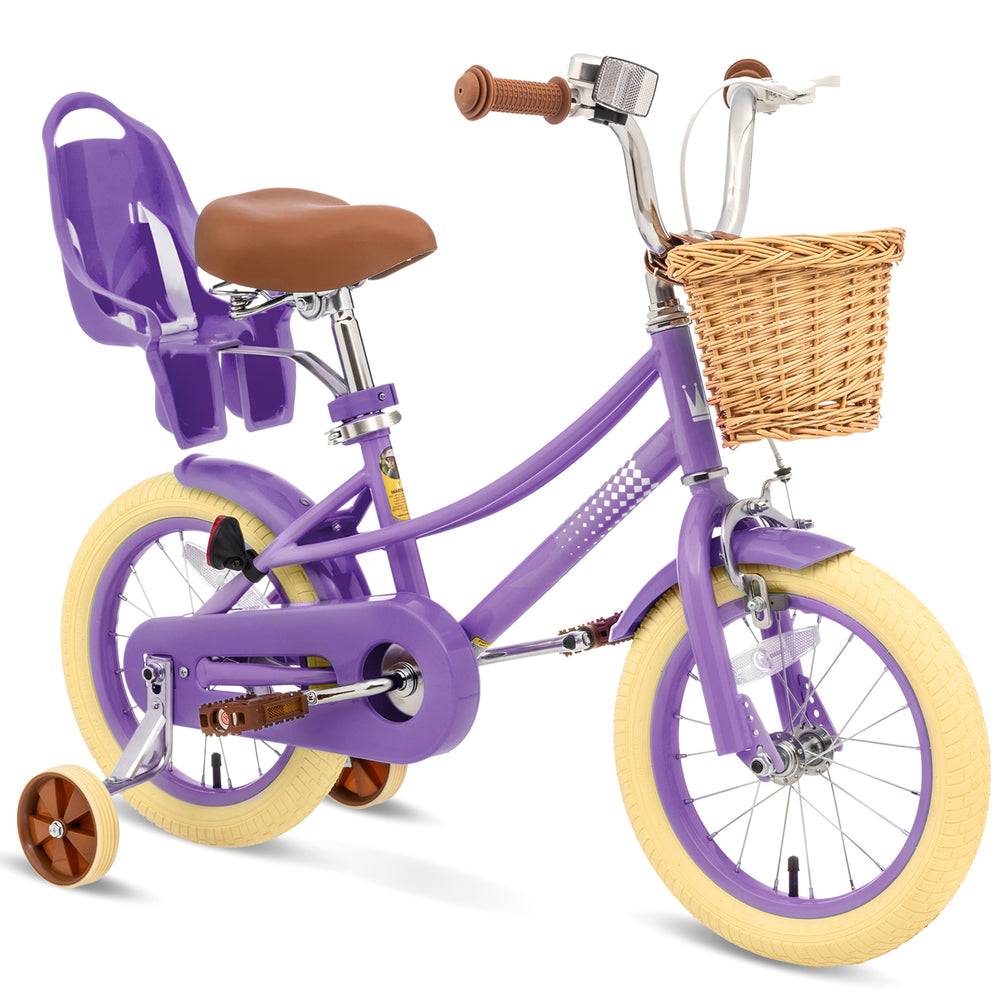 XJD Girls' Bike with Training Wheels, 12/14/16/20 Inch – Purple
Relevant when a fitted rider needs a 12, 14, 16 or 20 Inch option and training wheels are desired; compare its purple catalog color only after an individual fit check.
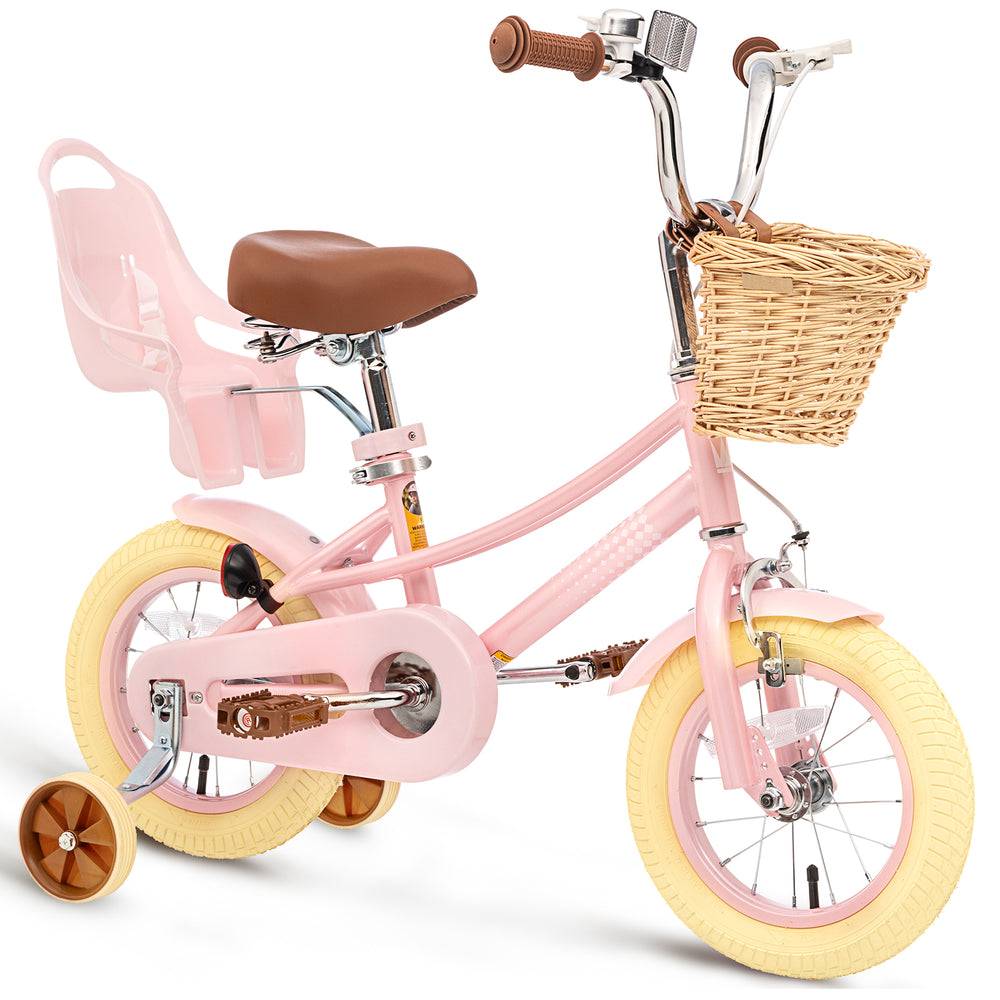 XJD Kids Bike for Girls – Pink, 12/14/16/20 Inch with Training Wheels
Offers pink 12, 14, 16 and 20 Inch variants with training wheels. Use measured height, inseam, reach, brake control and confidence—not the title wording—to determine relevance.
Neither title supplies fit measurements, brake details, weight, load limits or confirmation that the bicycle can be used with training wheels or pedals removed. Treat “Girls” as catalog wording rather than fit evidence. Consult the exact manual or a qualified bicycle mechanic before changing the supplied configuration.
These products are relevant if the measured rider fits one of their available sizes and you specifically want a bicycle sold with training wheels. They are not relevant merely because of the child’s age, and they should not replace an individual test of stand-over clearance, reach, brake operation and confidence.
A simple learning sequence
- Confirm the bicycle fits and the helmet is properly positioned and fastened.
- Let the child walk the bicycle while seated, then take longer strides.
- Ask for brief glides with both feet lifted, followed by a controlled stop.
- Practice gentle turns and looking toward the intended path.
- When gliding is repeatable, introduce pedaling according to the bicycle’s intended setup.
- End the session before fatigue or frustration reduces control.
Do not rush to a larger bicycle or remove support on a fixed schedule. If balance improves but control does not, recheck fit and practice stopping before advancing.
Make the decision from observable control
Choose learning without training wheels when the child has a correctly fitting bicycle, can practice in a suitable area and is willing to build balance gradually. Consider a supplied training-wheel model when temporary support is desired and one of its listed sizes passes the hands-on fit check. The next step is to measure height and inseam, compare the matching size range, test reach and brakes, and begin with balance practice—not age alone.
Recommended products
-
Save 15%
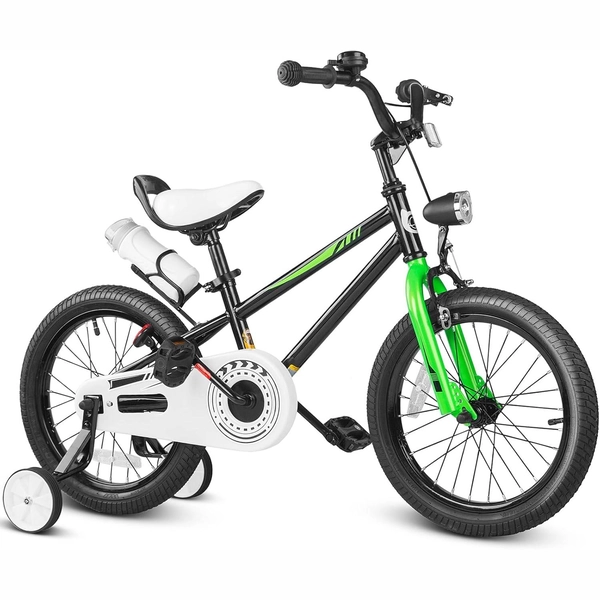
Black XJD Kids Bike for Boys – 12, 14 & 16 Inch Sizes
For a son between roughly 3 and 8 years old, the XJD Kids Bike in Black covers t…
Training Wheel Bikes Wheel Size 12 Inch / 14 Inch / 16 Inch Recommended Height 86–122 cm Training Wheels Yes 12 Inch -
Save 11%
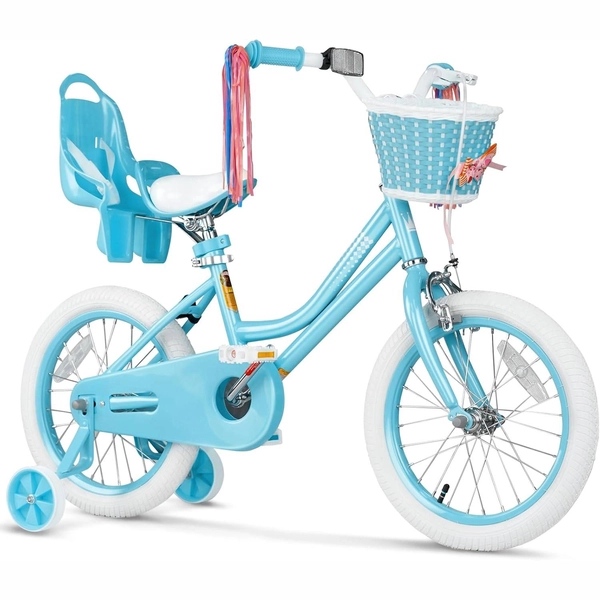
Blue XJD Girls Bike with Training Wheels – 12/14/16 Inch
If you're shopping for a first pedal bike for a daughter roughly 3 to 8 years ol…
Training Wheel Bikes Wheel Size 12 Inch / 14 Inch / 16 Inch Recommended Height 86–122 cm Training Wheels Yes 16 Inch -
Save 12%
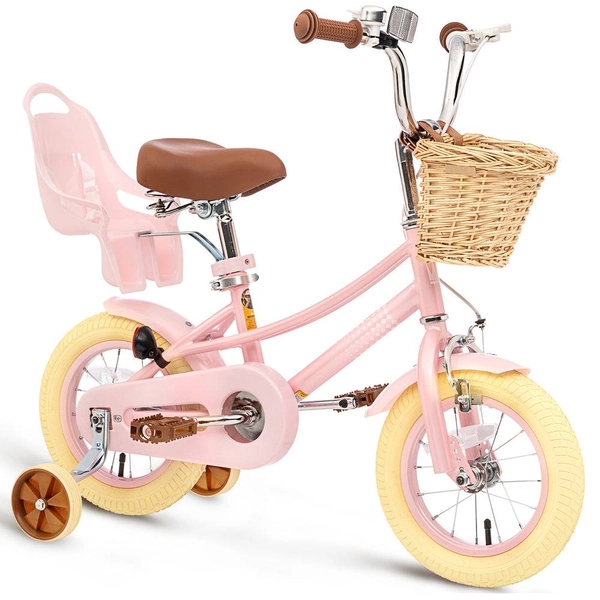
XJD Kids Bike for Girls – Pink, 12/14/16/20 Inch with Training Wheels
The XJD Kids Bike for Girls in Pink is a training-wheel bike built to carry your…
Training Wheel Bikes Wheel Size 12 Inch / 14 Inch / 16 Inch / 20 Inch Recommended Height 86–152 cm Training Wheels Yes 12 Inch -
Save 16%
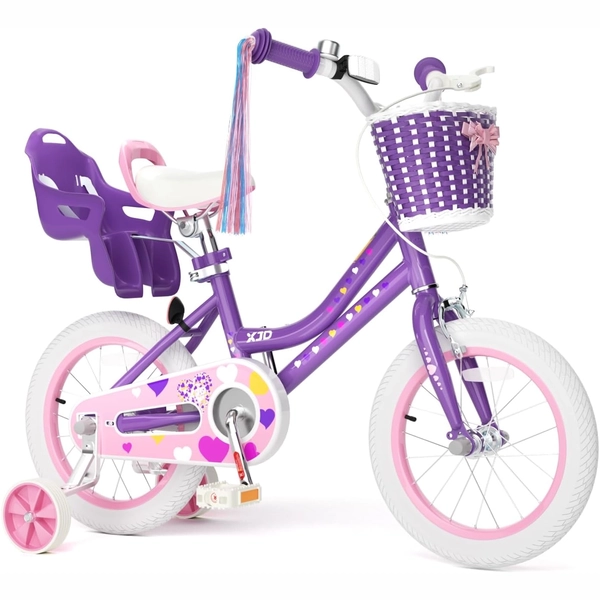
XJD Light Purple Girls Bike with Basket, Training Wheels, 12/14/16/20 Inch
The XJD Girls Bike with Basket in Light Purple is a single-speed training-wheel …
Training Wheel Bikes Wheel Size 12 Inch / 14 Inch / 16 Inch Recommended Height 86–122 cm Training Wheels Yes Single Speed 12 Inch