Can a 3 year old ride a bike without stabilisers
Yes, some 3-year-olds can ride without stabilisers, but age alone cannot decide it. Check body fit, brake reach, balance and confidence before removing them.
Start with the child, not the birthday
A 3-year-old is ready to try two wheels when they can balance, steer, start and stop with control. They should follow simple instructions and remain calm enough to look ahead rather than down at their feet. If they cannot yet do those things consistently, keeping the stabilisers for now is reasonable.
Do not buy an oversized bicycle for the child to grow into. The child should try the actual bike because frame shape, saddle position and handlebar reach affect control even when the stated wheel size appears suitable.
Measure and check the fit
Measure the child's height without shoes, then measure their inseam from the floor to the crotch. Use height to identify a starting wheel size and inseam to assess clearance and whether the child can put their feet down securely.
- 12 Inch: ages 3–4; height 34–40 in / 86–102 cm.
- 14 Inch: ages 3–6; height 37–45 in / 94–114 cm.
- 16 Inch: ages 4–7; height 40–48 in / 102–122 cm.
For many 3-year-olds, 12 Inch or 14 Inch is therefore the relevant starting comparison. Where the height bands overlap, do not choose by the larger number. Compare both bikes in person and favour the one the child can control confidently.
Run a practical control check
With the saddle adjusted according to the exact bicycle manual, have the child sit on the bike and hold the bars. Check that they can reach the grips without stretching or locking their elbows. They must also be able to operate the fitted brakes comfortably and understand how to stop.
Ask the child to stand over the bicycle. There should be usable clearance rather than pressure from the frame. Then watch whether they can push along, turn both ways and stop without the bicycle pulling them off balance. A wheel-size chart cannot replace these observations.
When to remove the stabilisers
Remove them only when the child can glide with their feet raised briefly, steer where they intend to go and stop on request. Practise in a flat, open area away from traffic, slopes and obstacles. A properly fitting bicycle helmet should sit level and have its straps adjusted according to the helmet manufacturer's instructions.
- Begin with short sessions so fatigue does not undermine control.
- Let the child push and glide before expecting continuous pedalling.
- Support the child lightly at the torso if needed; avoid steering the handlebar for them.
- Restore the stabilisers or pause if repeated falls, fear or poor stopping control appear.
Follow the exact bike manual for stabiliser removal, assembly and maintenance. If the instructions are missing or the setup is uncertain, use a qualified bicycle mechanic rather than improvising a procedure or torque setting.
How the supplied bikes relate to this decision
These catalog options are relevant because each offers training-wheel configurations in 12 Inch and 14 Inch, the two XBikes starting sizes that include age three. They allow a parent to compare an initially supported setup while still choosing size through an individual fit check.
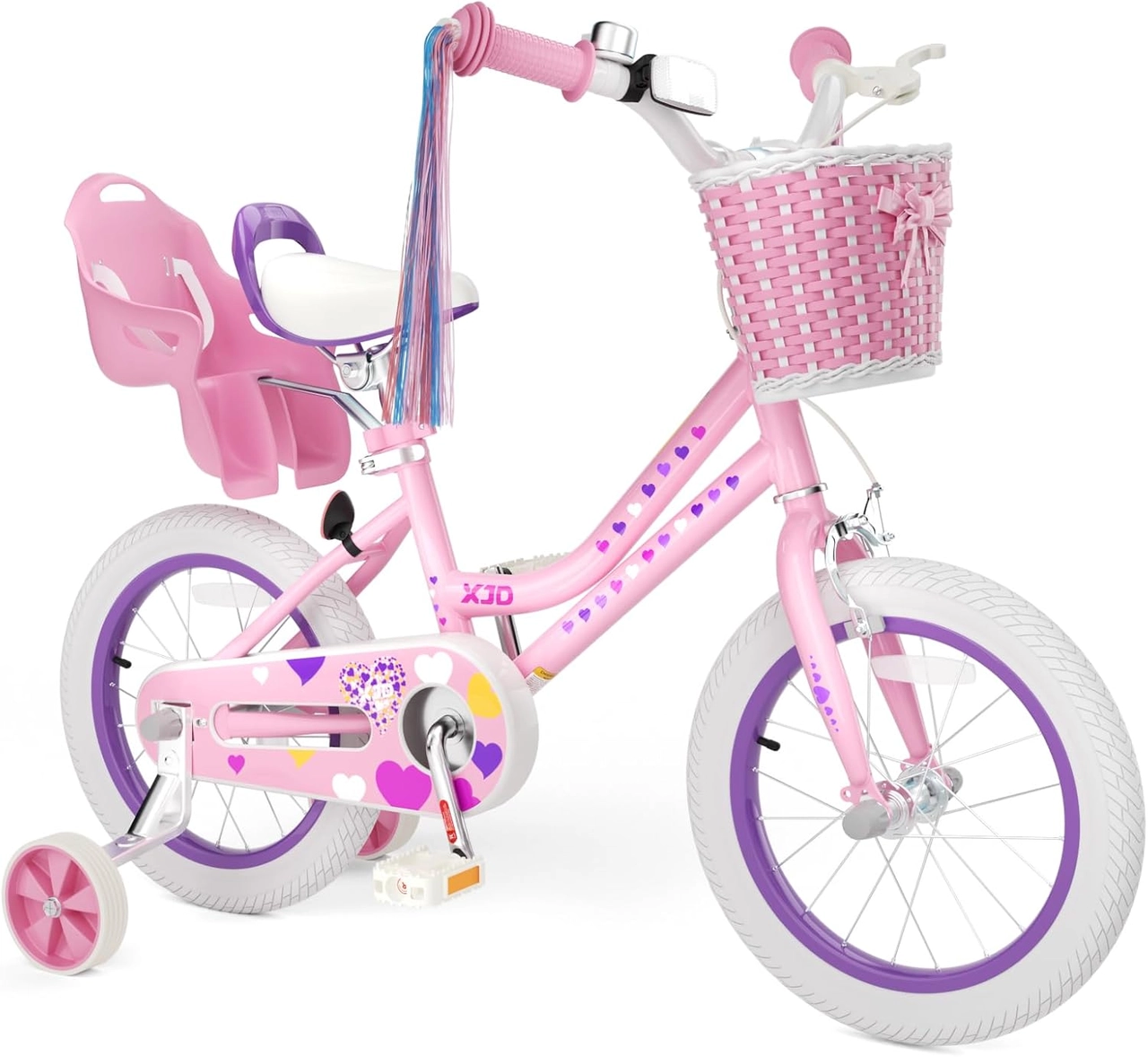 Light Pink XJD Girls' Bicycle with Basket & Training Wheels
Available in 12 Inch and 14 Inch, the age-three starting comparison sizes, plus 16 Inch and 20 Inch. Select only after checking the child's measured fit and control.
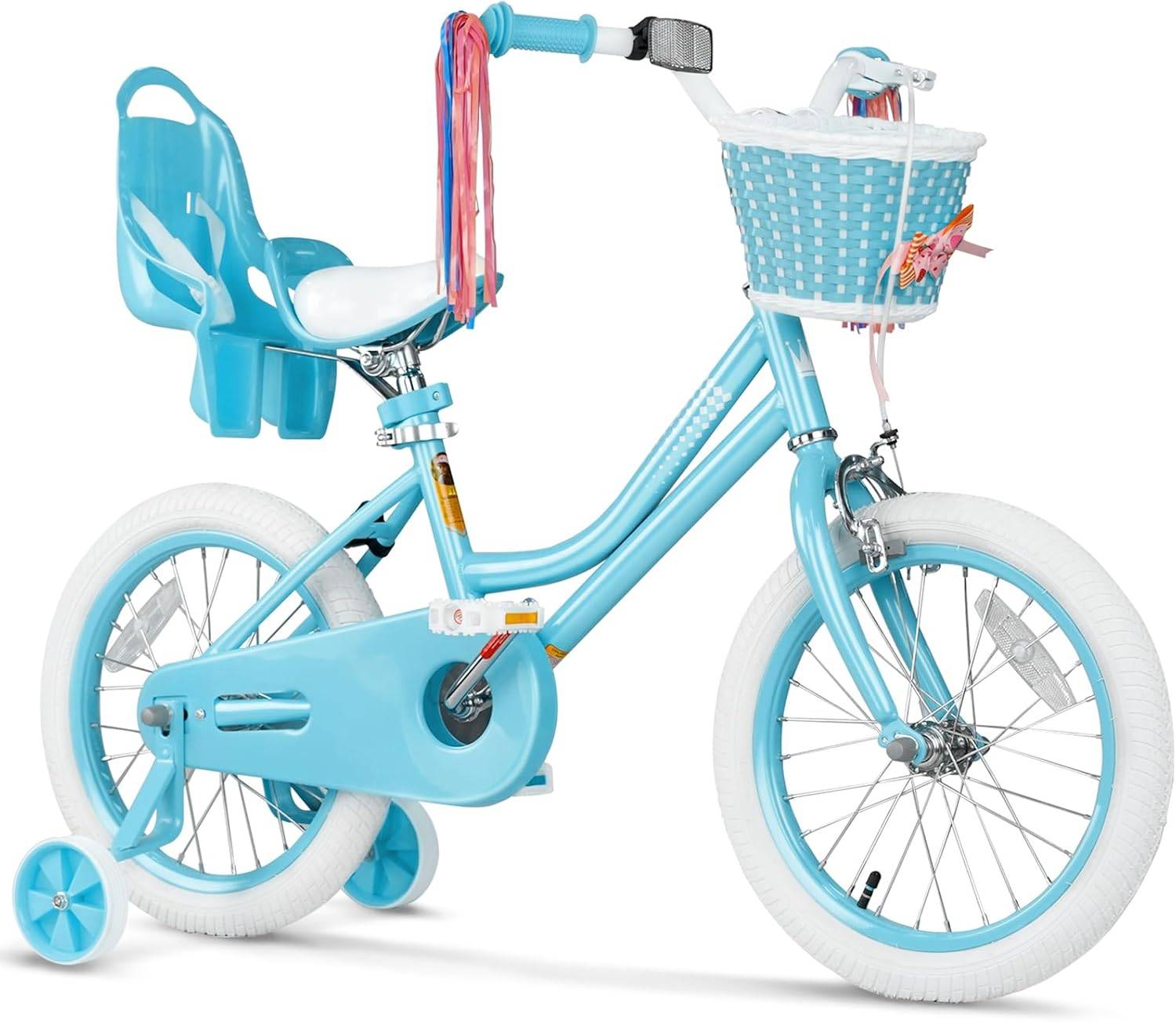 Blue XJD Girls Bike with Training Wheels – 12/14/16 Inch
Its 12 Inch and 14 Inch training-wheel options are relevant starting comparisons for a 3-year-old; the listed 16 Inch option begins at age four under the supplied standard.
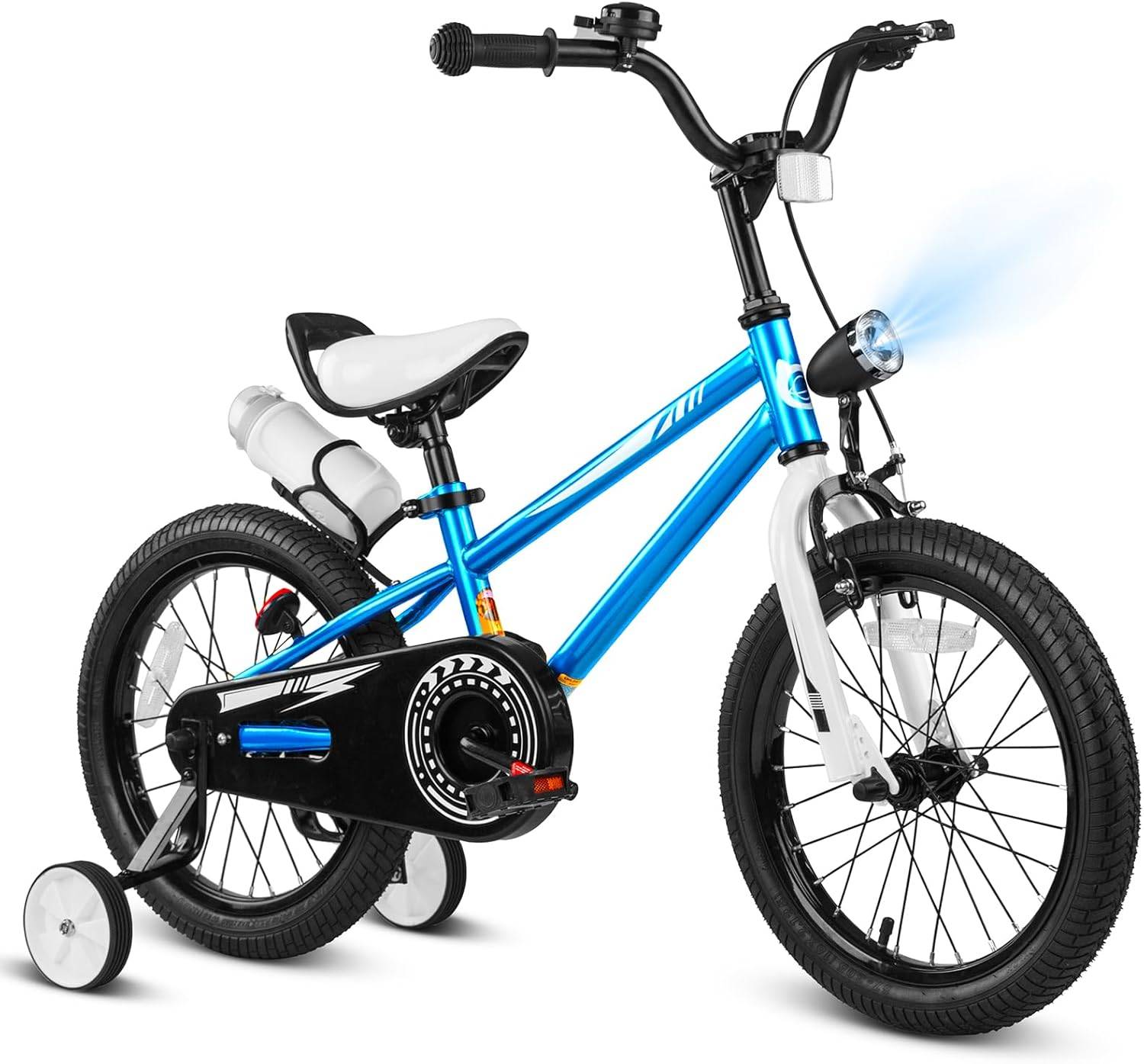 XJD Boys 12/14/16" Training Wheel Bike – Blue
Offered in 12 Inch, 14 Inch and 16 Inch. For this question, compare the two smaller sizes through height, inseam, reach, brake control and confidence checks.
The Light Pink XJD Girls' Bicycle with Basket & Training Wheels is listed in 12 Inch, 14 Inch, 16 Inch and 20 Inch. For this question, its 12 Inch and 14 Inch options are the pertinent comparisons; the larger labels should not be treated as equivalent fits.
The Blue XJD Girls Bike with Training Wheels – 12/14/16 Inch is available in 12 Inch, 14 Inch and 16 Inch. Its two smaller sizes overlap the supplied age-three starting ranges, subject to height, inseam, reach, braking and confidence checks.
The XJD Boys 12/14/16" Training Wheel Bike – Blue has the same supplied size choices: 12 Inch, 14 Inch and 16 Inch. Its title is only a catalog label; it does not establish that a particular child fits the bike.
Make the decision today
If the child measures within a 12 Inch or 14 Inch starting range, try the corresponding bike and perform the full control check. Remove the stabilisers only if the child balances, steers and stops confidently. If fit or control is uncertain, keep the supported setup, practise briefly and reassess later rather than moving to a larger bike.
Recommended products
-
Save 12%
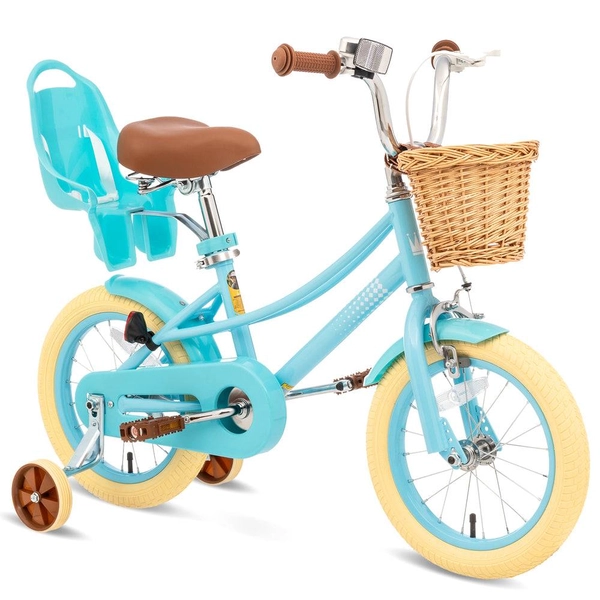
Girls' Training Wheel Bike by XJD, 12–20 Inch Wheels – Blue
This XJD girls' training wheel bike in Blue covers one of the widest fit ranges …
Training Wheel Bikes Wheel Size 12 Inch / 14 Inch / 16 Inch / 20 Inch Recommended Height 86–152 cm Training Wheels Yes 12 Inch -
Save 15%
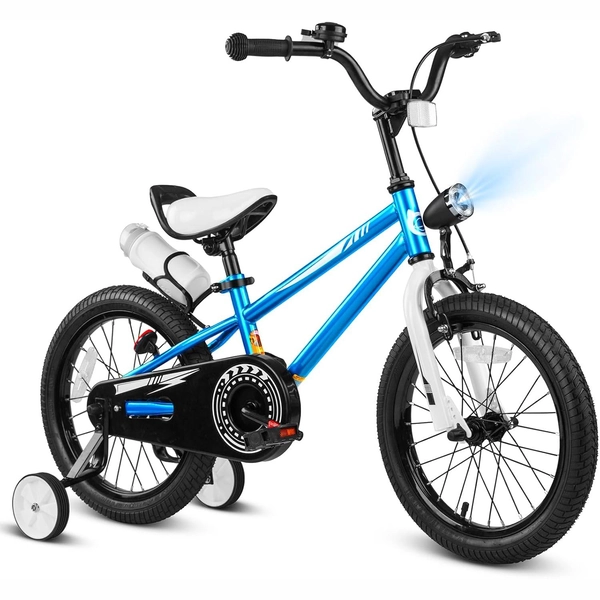
XJD Boys 12/14/16" Training Wheel Bike – Blue
The XJD Boys Bike in Blue is a training wheel bike for riders 71–122 cm tall—rou…
Training Wheel Bikes Wheel Size 12 Inch / 14 Inch / 16 Inch Recommended Height 86–122 cm Training Wheels Yes 16 Inch -
Save 15%
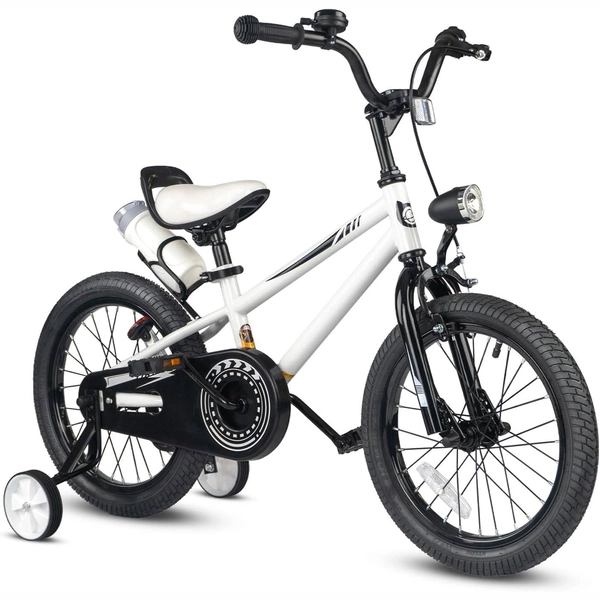
XJD Kids' Training Wheel Bike for Boys & Girls, 12/14/16 Inch – White
The XJD kids' training wheel bike in White is made for riders ages 3–8 (roughly …
Training Wheel Bikes Wheel Size 12 Inch / 14 Inch / 16 Inch Recommended Height 86–122 cm Training Wheels Yes 14 Inch -
Save 12%
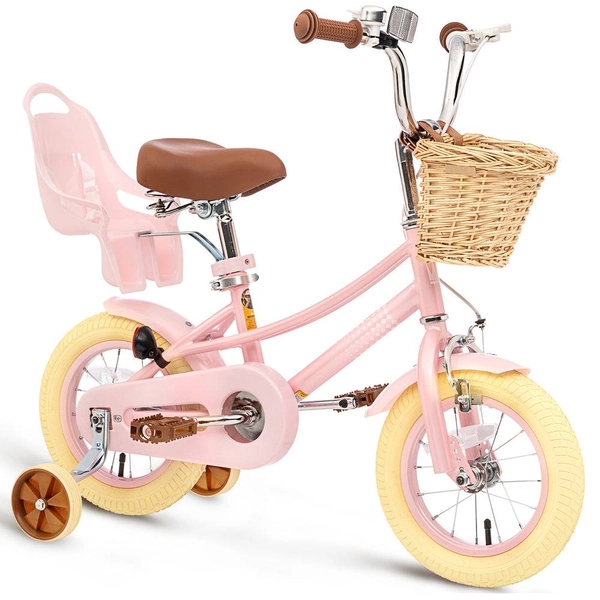
XJD Kids Bike for Girls – Pink, 12/14/16/20 Inch with Training Wheels
The XJD Kids Bike for Girls in Pink is a training-wheel bike built to carry your…
Training Wheel Bikes Wheel Size 12 Inch / 14 Inch / 16 Inch / 20 Inch Recommended Height 86–152 cm Training Wheels Yes 12 Inch