Kids Bike Chain Guard Loose: Safety and Clearance Checks
A kids bike chain guard loose can rattle, touch a crank or chain, catch clothing, or leave moving drivetrain parts exposed. The guard may have a loose fastener, broken tab, warped panel, or incorrect position after wheel or chain service. Do not remove it and continue riding. Stabilize the bicycle and inspect with the drivetrain completely still.
Identify where movement begins
Apply only light pressure to the stationary guard while watching each screw, clip, bracket, and panel seam. Note whether the complete guard shifts or one cracked edge vibrates. Check for missing pieces and sharp damage. Do not rotate the crank while fingers are near an opening, and do not ask the child to reproduce a rattle under load.
Inspect mounts and compatible hardware
Compare the installed fasteners and spacers with the exact parts diagram. A screw that is too long can contact the chainring, while over-tightening can crack plastic around a hole. Do not enlarge holes, glue a loaded mounting tab, or use wire with sharp ends. Replace broken clips, panels, and hardware with components made for the bicycle.
Check clearance through a full cycle
After hands and tools are clear, an adult rotates the crank slowly through several complete turns using the approved support method. Watch the crank arms, chainring, chain, rear sprocket, and guard edges. Listen for one repeating contact. Do not bend the guard toward the frame without first ruling out a loose crank, misaligned wheel, or tight chain.
Include recent drivetrain work
A guard can be reinstalled incorrectly after chain, crank, pedal, or rear-wheel service. Review bracket order and cable routing, then check chain tension, wheel centering, and crank security. Do not remove an inner section to create space. If the drivetrain has play, damaged teeth, chain jumps, or a stiff link, the guard is not the only repair needed.
Test protection and riding function
After approved repair, confirm every opening and edge matches the intended coverage, no fastener can loosen into the drivetrain, and the chain moves without contact. Check both pedals, wheel retention, and brakes. An adult performs a light-load level test before the child returns. Recurring rattle, crack, or rubbing stops the test.
How current product examples clarify the choice
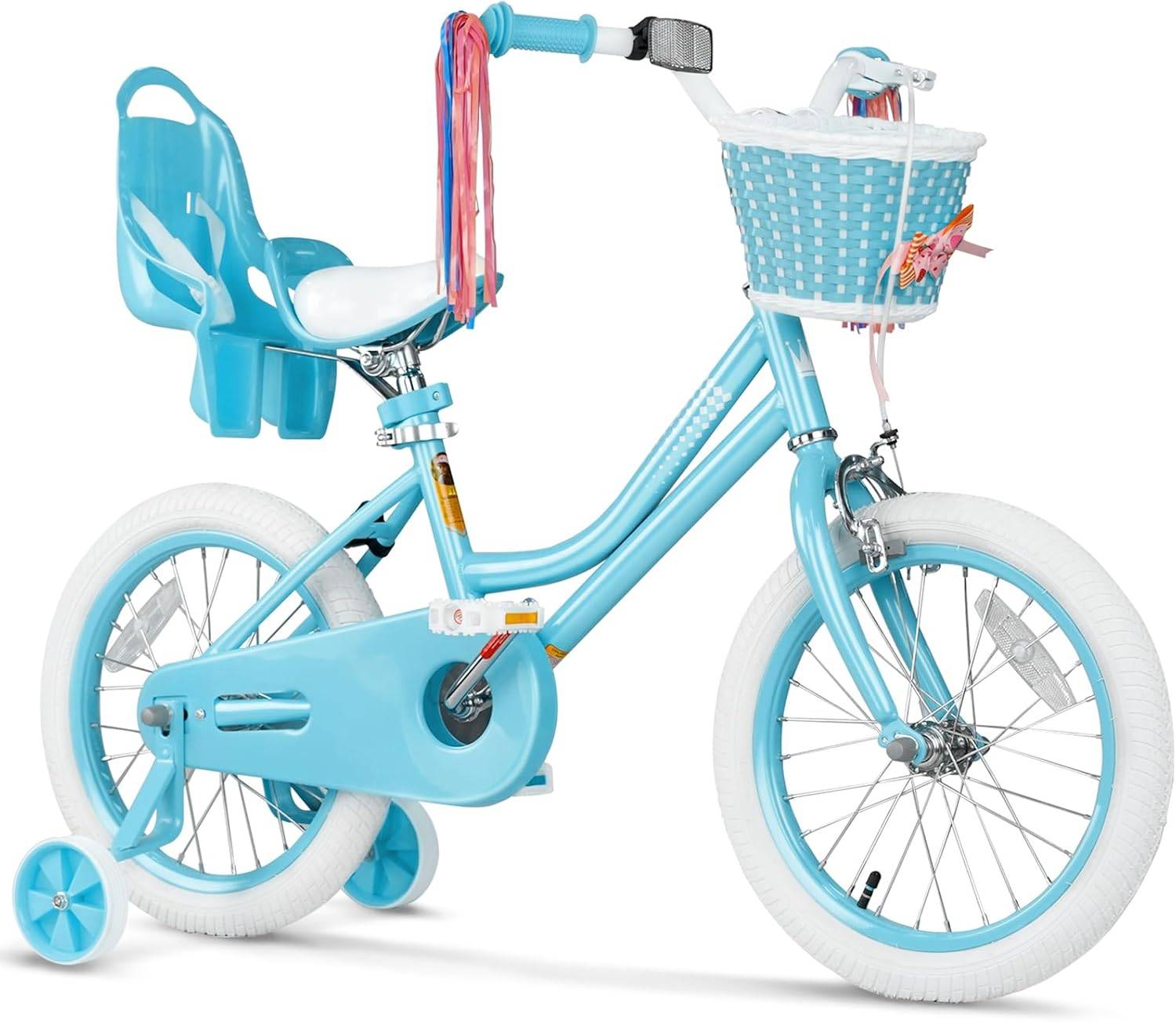
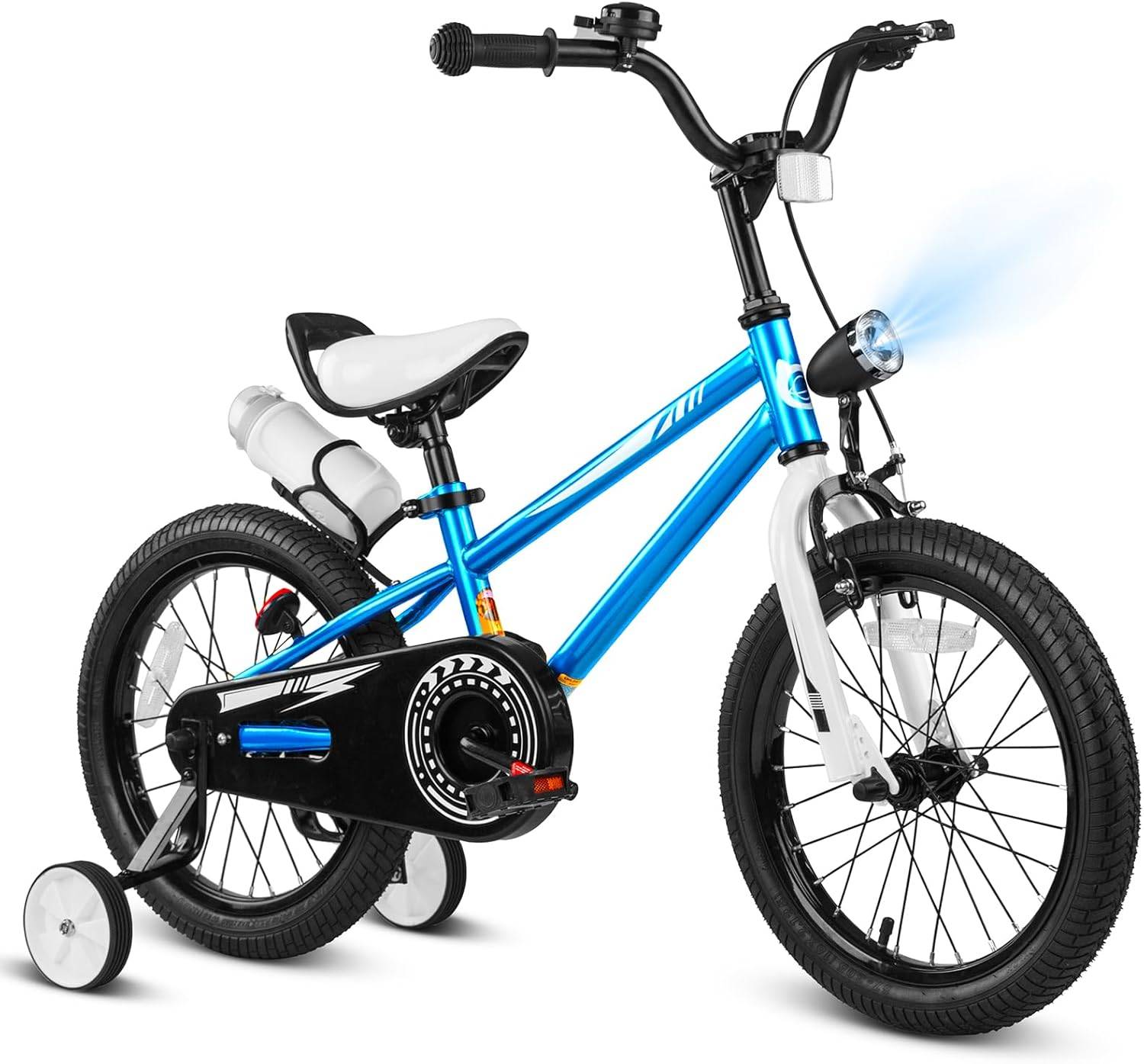
The Blue XJD Girls Bike with Training Wheels and Blue XJD Boys Bike with Training Wheels use small-bike single-speed drivetrains with protective guards. Their similar appearance is useful for locating the guard, but selected wheel size and current component revision can change mounting points. Use the actual parts diagram and supplied hardware.
Related reading on this site
For the next step, compare this check with our kids bike guidance and stiff chain link guide. These pages provide nearby fit, component, or maintenance context without replacing the exact product manual.
Practical checklist
- Stop the drivetrain before touching.
- Inspect every tab and fastener.
- Rotate through several complete cycles.
- Keep the intended coverage installed.
Frequently asked questions
Can a child ride without the chain guard?
Do not remove specified protective equipment; replace or secure it through the approved method before riding.
Why does the guard rub after rear-wheel adjustment?
Wheel position and chain tension may have changed, or the guard may have been reassembled incorrectly; inspect the complete system.
Before making the final choice, revisit the exact route or driving area at the time it will normally be used. A setup that works during a quiet test may need more room, visibility or adult support when other people and everyday obstacles are present.
Bottom line
Use the answer to kids bike chain guard loose as a decision process, not a shortcut. Confirm the live product data and manual, match the rider to the controls and setting, and favor repeatable control over a larger size or higher performance label.
Recommended products
-
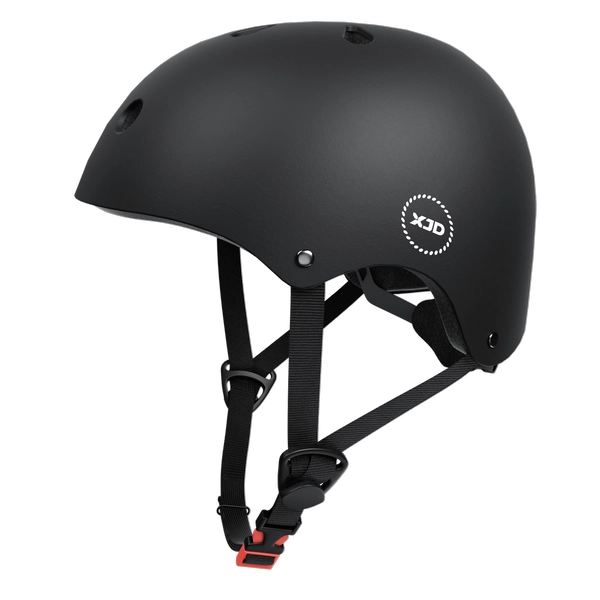
7-in-1 Kids Helmet & Protective Gear Set from XJD – Black or Blue
If you're outfitting one kid (or a couple of siblings) for biking, scootering, o…
Bike Helmets Black / L:21.65"-22.83" / 55-58 cm -
Save 11%
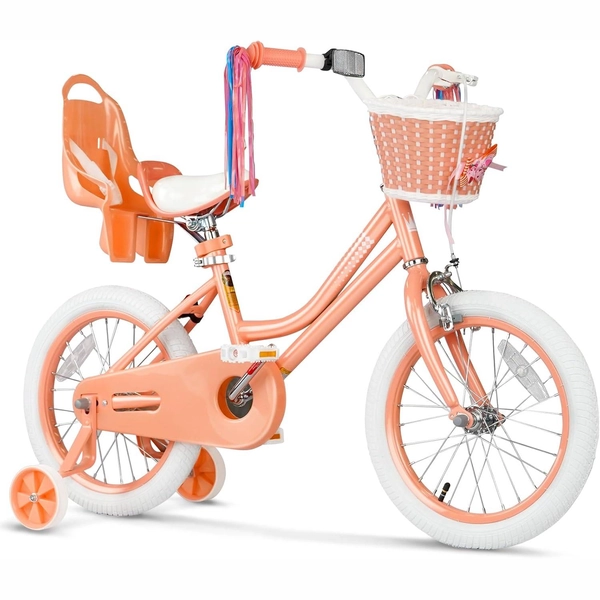
Girls 12/14/16 Inch Kids Bike by XJD with Training Wheels – Peach
The XJD Girls Bike in Peach is a training-wheel bike built for girls roughly 3 t…
Training Wheel Bikes Wheel Size 12 Inch / 14 Inch / 16 Inch Recommended Height 86–122 cm Training Wheels Yes 12 Inch -
Save 11%
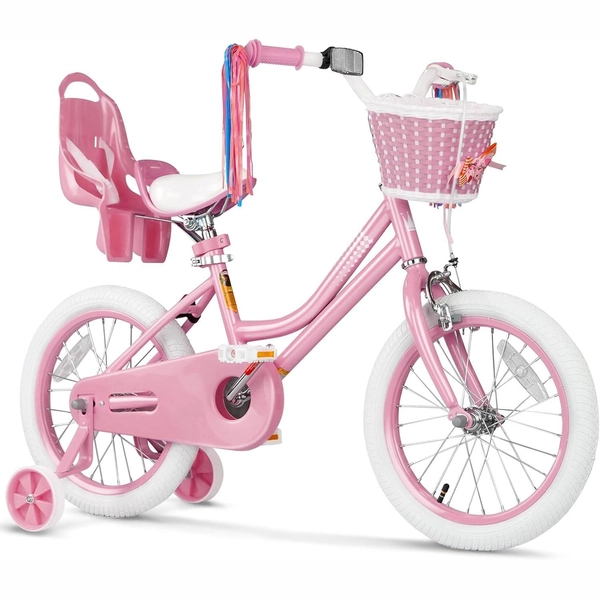
XJD Pink Girls' Bike – Kids 12/14/16 Inch Training Wheel Bicycle
The XJD Pink Girls' Bike is a training-wheel bicycle for girls ages 3 to 8 (ride…
Training Wheel Bikes Wheel Size 12 Inch / 14 Inch / 16 Inch Recommended Height 86–122 cm Training Wheels Yes 14 Inch -
Save 11%
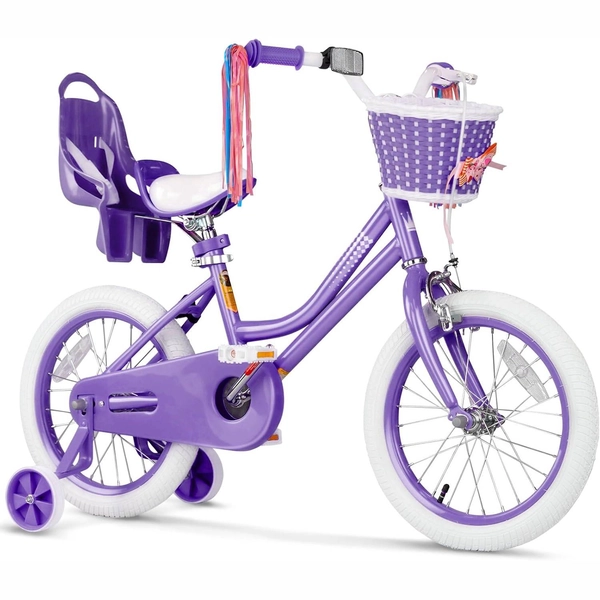
XJD Girls Bike for Kids Ages 3-8, 12/14/16 Inch with Training Wheels – Purple
The XJD Girls Bike in Purple is a training-wheel bicycle for kids ages 3 to 8, f…
Training Wheel Bikes Wheel Size 12 Inch / 14 Inch / 16 Inch Recommended Height 86–122 cm Training Wheels Yes 12 Inch