What Size Training-Wheel Bike for a 3-Year-Old?
What size training-wheel bike for a 3-year-old? A 12-inch option is a common starting point, but age cannot confirm fit. Three-year-olds vary in height, inseam, strength and readiness to pedal or brake. Measure the child, use the exact model range and test the complete bicycle instead of buying a 14- or 16-inch bike only for extra growing room.
Start with current measurements
Measure standing height and inseam in normal riding shoes. The XJD standard places 12-inch bikes around ages 3–4 and heights of 34–40 inches, while 14 inches begins around 37 inches. These ranges overlap; they are shortlists, not promises for every three-year-old.
Check stand-over room
With an adult holding the stationary bicycle, the child should straddle the frame with both feet flat and comfortable clearance. Mounting should not require tipping the bike far to one side. A low saddle cannot correct a top tube or complete frame that is too tall.
Confirm hands and feet reach
The child should hold the grips without locked elbows, turn without knee interference and reach any hand lever while keeping the palm secure. For a rear coaster brake, practice the back-pedal action separately. Feet should meet the pedals without hips rocking from side to side.
Understand what training wheels do
Training wheels limit side-to-side lean during early pedaling, but they do not teach the same balance as two-wheel riding and cannot fix poor fit. Set them only as the manufacturer directs. Both supports should stay secure and must not interfere with the rear wheel, drivetrain or brake.
Use a first-session routine
Fit a compliant helmet according to its instructions, choose a flat traffic-free space and have an adult remain close. Begin with mounting, one short straight pedal and a stop. End the practice if the child cannot follow the stop cue or the bicycle repeatedly tips onto one support.
How current product examples clarify the choice
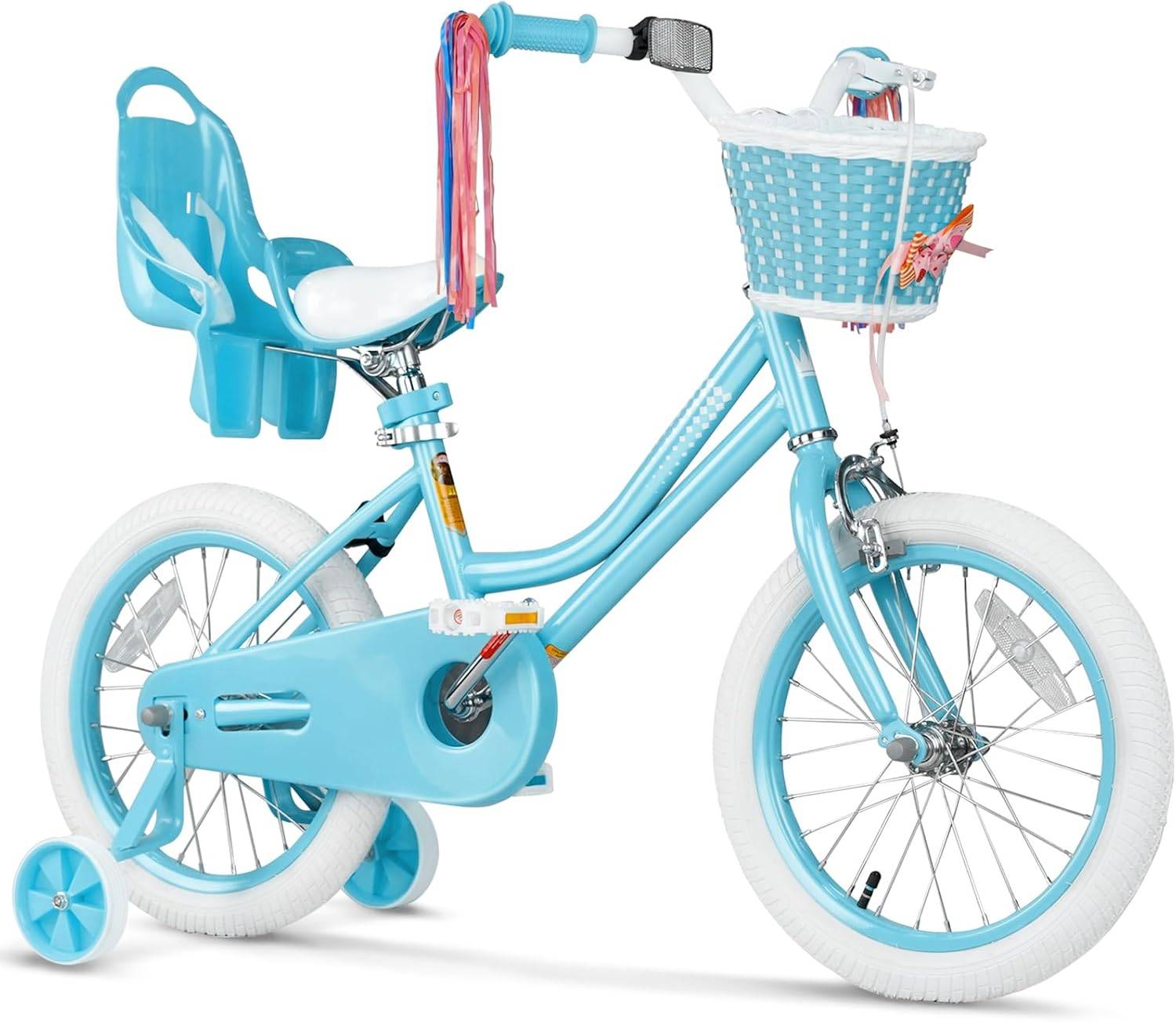
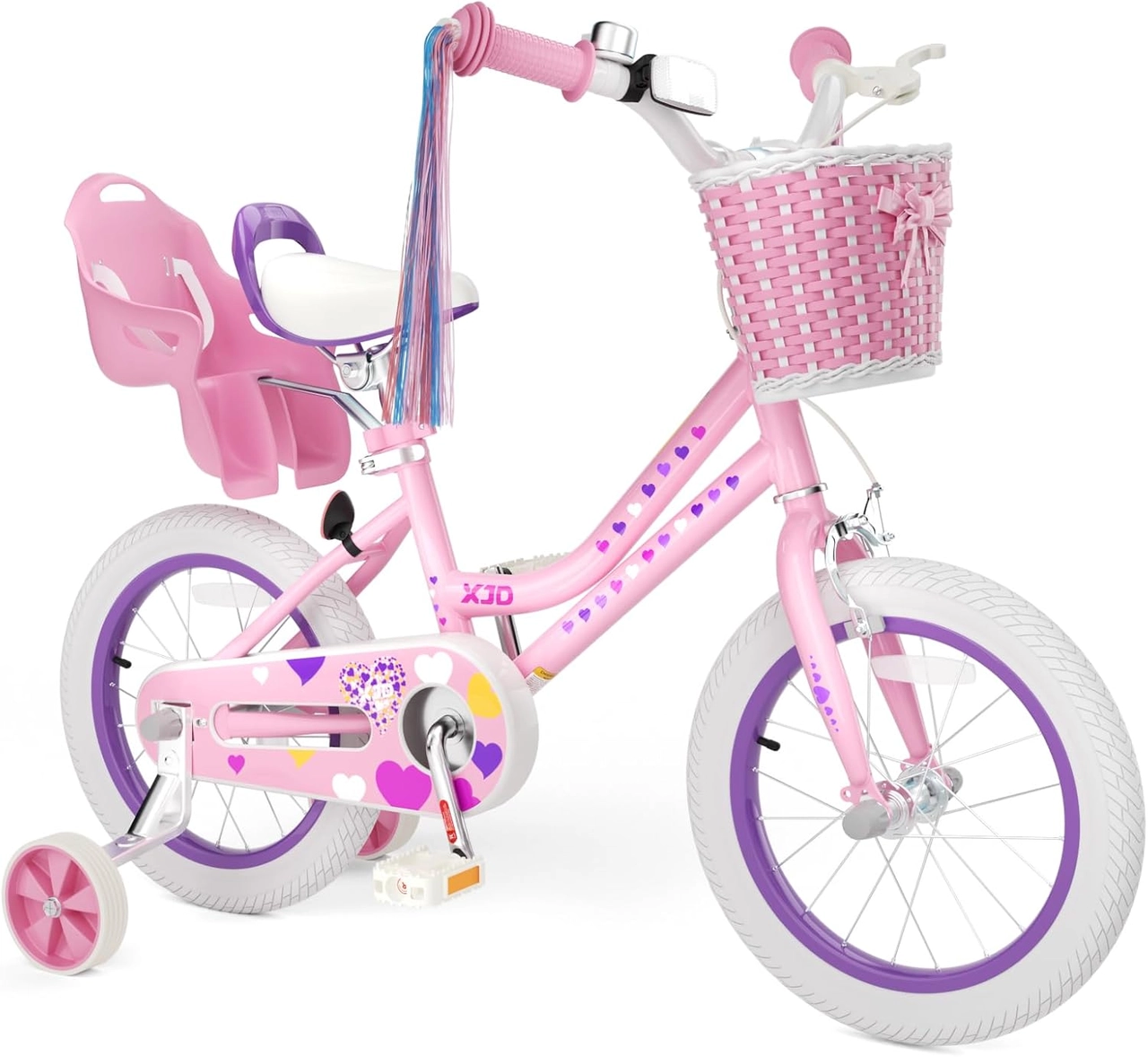
The blue XJD bike offers 12-, 14- and 16-inch selections, while the light-pink basket model provides another small training-wheel configuration. These live examples help compare frame layouts, but a three-year-old should start only on the option that passes the measurement and control checks.
Practical checklist
- Measure height and inseam.
- Begin with the exact 12-inch fit range.
- Test stand-over and control reach.
- Set training wheels only as instructed.
Frequently asked questions
Is a 14-inch bike better because it lasts longer?
Only if it fits now; future growth does not justify poor current control.
Does every three-year-old need training wheels?
No. Readiness and learning approach vary; choose an appropriate method and close supervision.
Before making the final choice, revisit the exact route or driving area at the time it will normally be used. A setup that works during a quiet test may need more room, visibility or adult support when other people and everyday obstacles are present.
Bottom line
Use the answer to what size training-wheel bike for a 3-year-old as a decision process, not a shortcut. Confirm the live product data and manual, match the rider to the controls and setting, and favor repeatable control over a larger size or higher performance label.
Recommended products
-
Save 11%
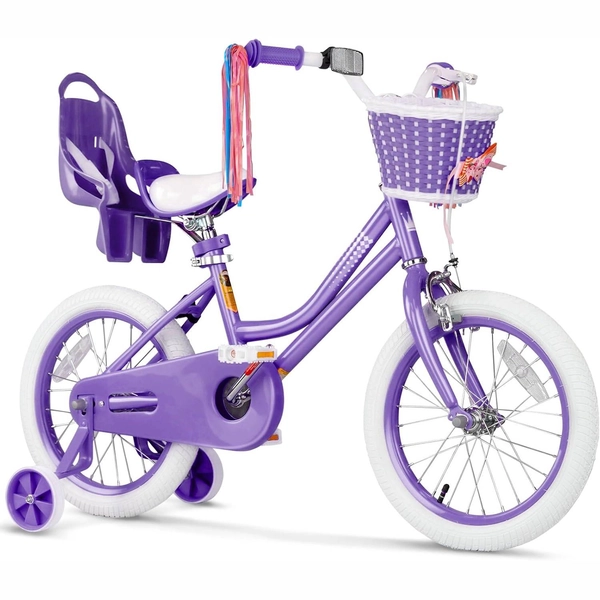
XJD Girls Bike for Kids Ages 3-8, 12/14/16 Inch with Training Wheels – Purple
The XJD Girls Bike in Purple is a training-wheel bicycle for kids ages 3 to 8, f…
Training Wheel Bikes Wheel Size 12 Inch / 14 Inch / 16 Inch Recommended Height 86–122 cm Training Wheels Yes 12 Inch -
Save 24%
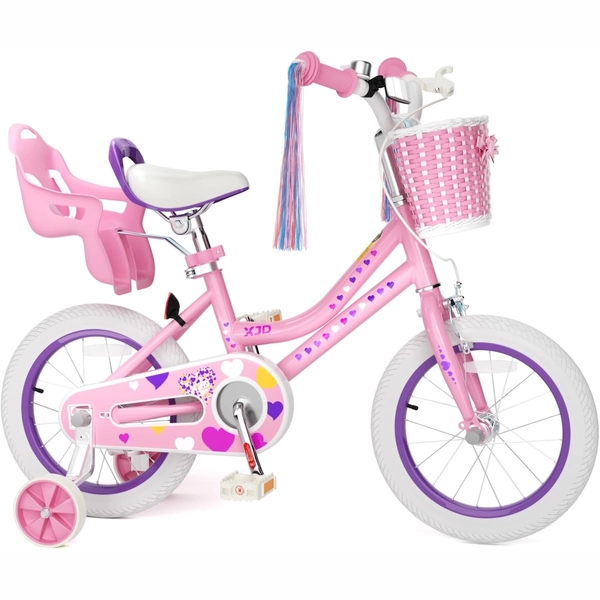
Pink Girls' 12/14/16" Bike by XJD – Basket & Doll Seat
The XJD Pink Girls' Bike with Basket & Doll Seat is made for riders 71–122 cm ta…
Training Wheel Bikes Wheel Size 12 Inch / 14 Inch / 16 Inch Recommended Height 86–122 cm Training Wheels Yes Geared 12 Inch -
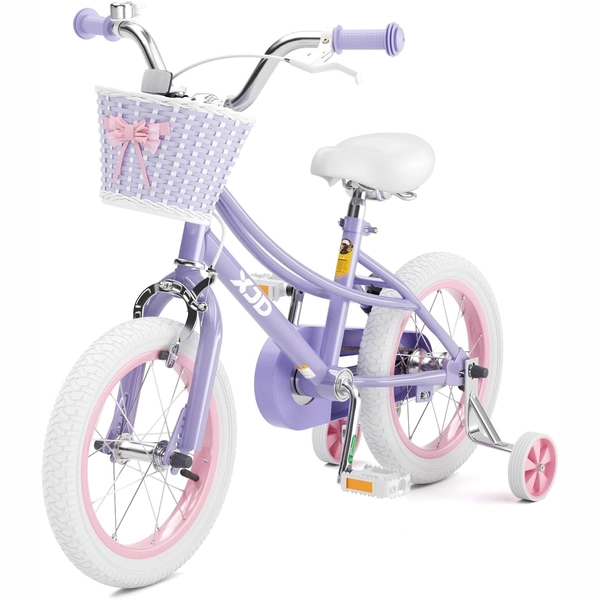
Girls' Training Wheel Bike by XJD with Basket – Purple
If you're shopping for a first bike for a girl roughly 3 to 12 years old (91–152…
Training Wheel Bikes Wheel Size 14 Inch / 16 Inch / 20 Inch Recommended Height 94–152 cm Training Wheels Yes Single Speed 14 Inch -
Save 11%
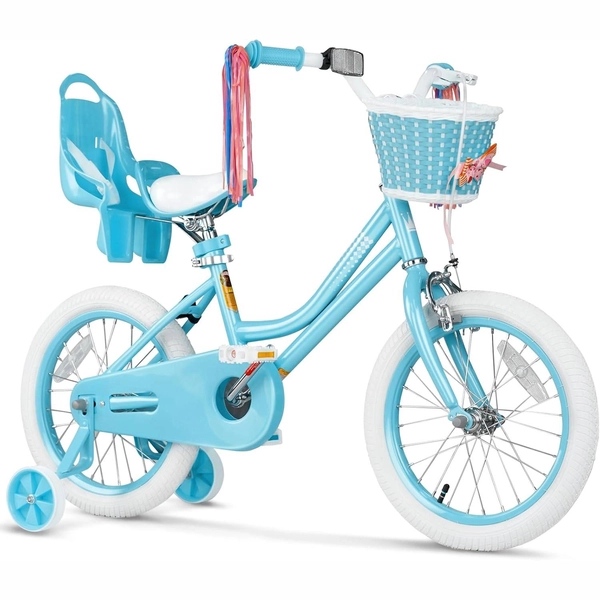
Blue XJD Girls Bike with Training Wheels – 12/14/16 Inch
If you're shopping for a first pedal bike for a daughter roughly 3 to 8 years ol…
Training Wheel Bikes Wheel Size 12 Inch / 14 Inch / 16 Inch Recommended Height 86–122 cm Training Wheels Yes 16 Inch