Why Does a Kids Bike With Training Wheels Rock?
Why does a kids bike with training wheels rock from side to side? Some designs intentionally leave slight clearance so both training wheels do not carry the full load at once, but pronounced leaning can also come from uneven ground, loose hardware, mismatched bracket height or a poorly seated rear wheel. Diagnose it with the bike empty and stationary.
Move to a truly level surface
A sloped driveway, floor seam or soft lawn can make one support look much higher than the other. Place the unloaded bicycle on a hard, flat area and point the front wheel straight. Do not judge the setup while a child is sitting on the bike or while it is moving.
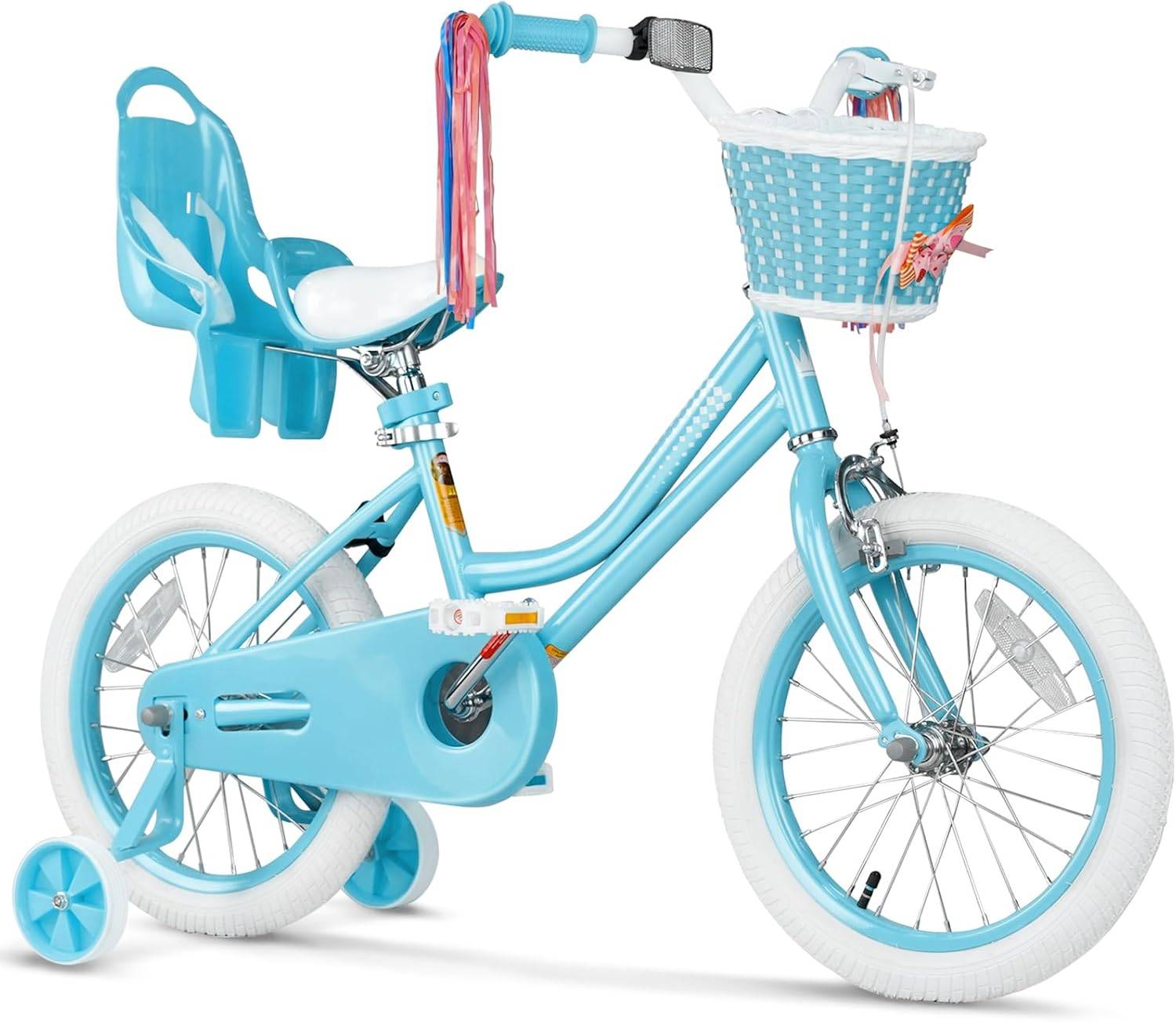
Compare both supports visually
Check whether brackets occupy the same approved mounting position and whether wheels appear vertical. Look for bent arms, missing washers, cracks or asymmetric tire wear. Never bend a bracket back, add random spacers or extend an axle to imitate another brand's arrangement.
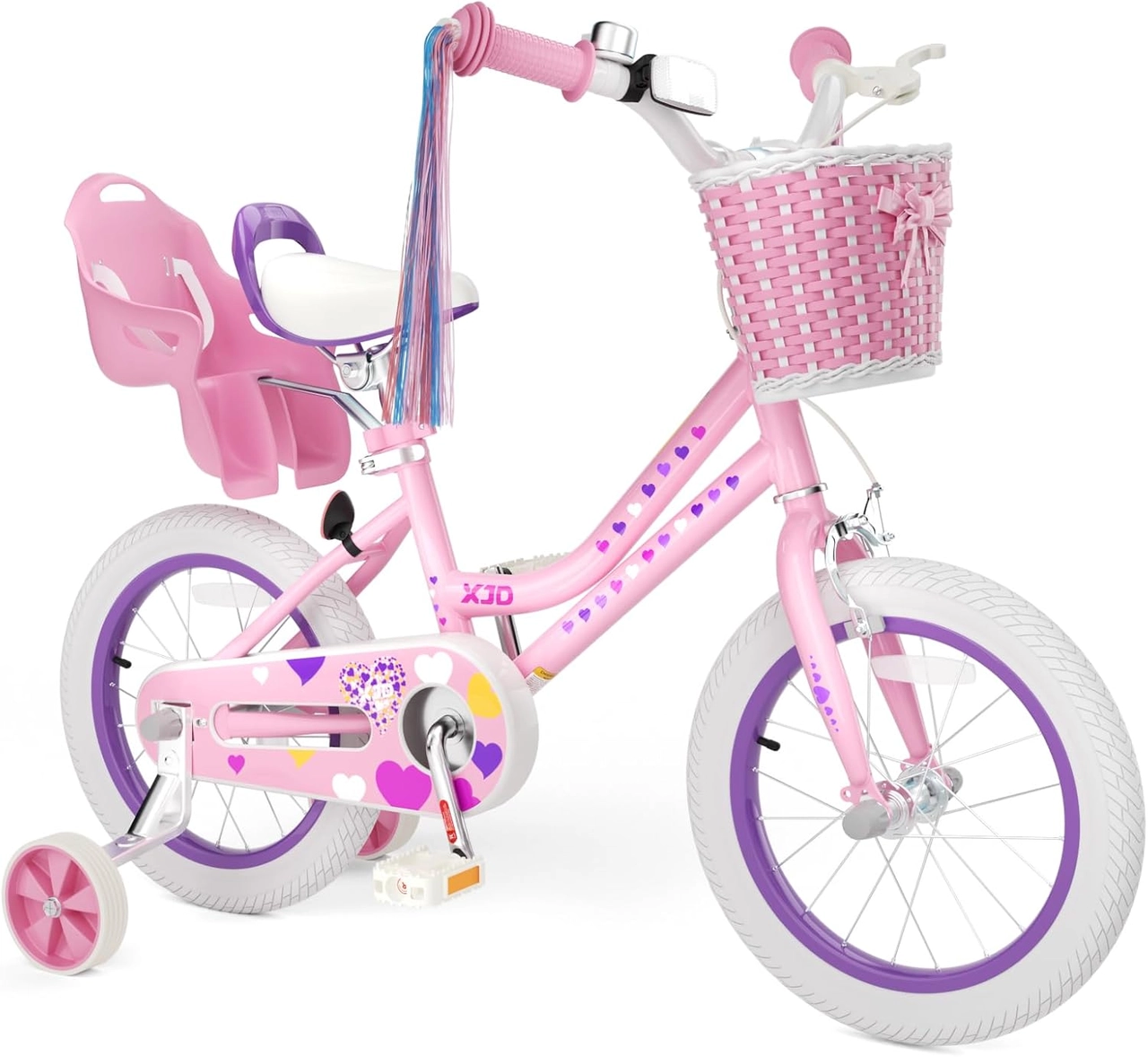
Inspect shared rear-axle hardware
Training-wheel brackets often use the rear axle area, which may also retain a wheel, coaster-brake arm or chain adjustment. Any loose knob or nut is safety-critical. Stop using the bicycle until the exact assembly diagram and torque requirements have been followed.
Distinguish clearance from instability
A small alternating touch may be intended to encourage balance, while a large sudden drop, scraping bracket or wheel lifting far from the floor is not a normal assumption. The approved clearance is model-specific; ask the maker or a bike technician when the manual does not state it clearly.
Retest without shortcuts
After approved adjustment, press lightly on the saddle from each side and roll the empty bike slowly. Confirm both brackets stay secure, the rear wheel remains centered and brakes work. An adult then supervises a very slow first ride in a closed, flat area.
How current product examples clarify the choice
The Blue XJD 12/14/16-Inch Training Wheel Bike and Light Pink XJD Bike with Basket and Training Wheels provide current examples with multi-size configurations. The exact selected size and bracket hardware matter, so a setting copied between the two should never replace the supplied diagram.
Practical checklist
- Check on hard, level ground.
- Compare brackets and hardware.
- Preserve rear-axle and brake parts.
- Stop for large or sudden rocking.
Frequently asked questions
Should both training wheels touch the ground?
Do not assume a universal answer; follow the clearance specified for the exact bicycle and bracket system.
Can I add washers to level the bike?
No improvised hardware should be added; use only the specified parts and positions.
Before making the final choice, revisit the exact route or driving area at the time it will normally be used. A setup that works during a quiet test may need more room, visibility or adult support when other people and everyday obstacles are present.
Bottom line
Use the answer to why does a kids bike with training wheels rock as a decision process, not a shortcut. Confirm the live product data and manual, match the rider to the controls and setting, and favor repeatable control over a larger size or higher performance label.
Recommended products
-
Save 12%
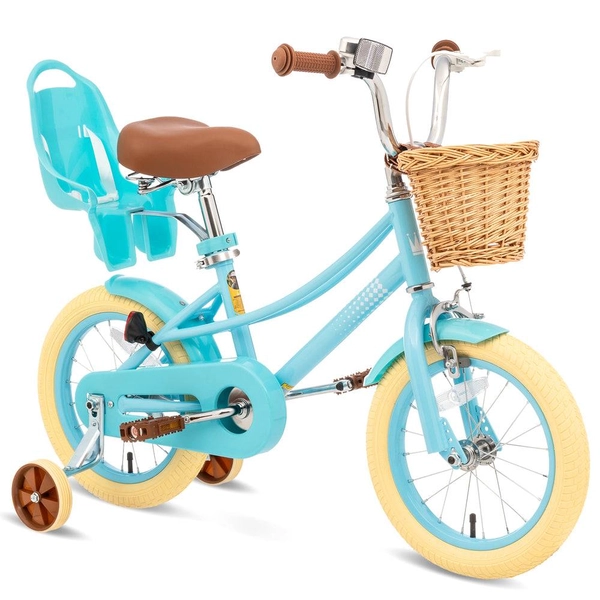
Girls' Training Wheel Bike by XJD, 12–20 Inch Wheels – Blue
This XJD girls' training wheel bike in Blue covers one of the widest fit ranges …
Training Wheel Bikes Wheel Size 12 Inch / 14 Inch / 16 Inch / 20 Inch Recommended Height 86–152 cm Training Wheels Yes 12 Inch -
Save 15%
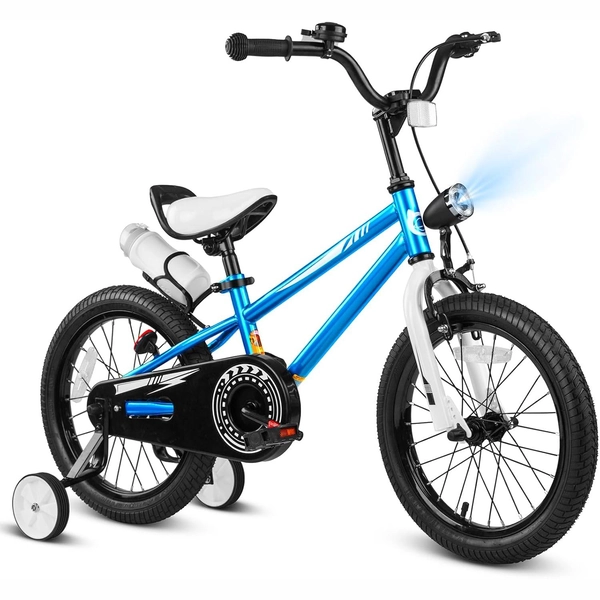
XJD Boys 12/14/16" Training Wheel Bike – Blue
The XJD Boys Bike in Blue is a training wheel bike for riders 71–122 cm tall—rou…
Training Wheel Bikes Wheel Size 12 Inch / 14 Inch / 16 Inch Recommended Height 86–122 cm Training Wheels Yes 16 Inch -
Save 15%
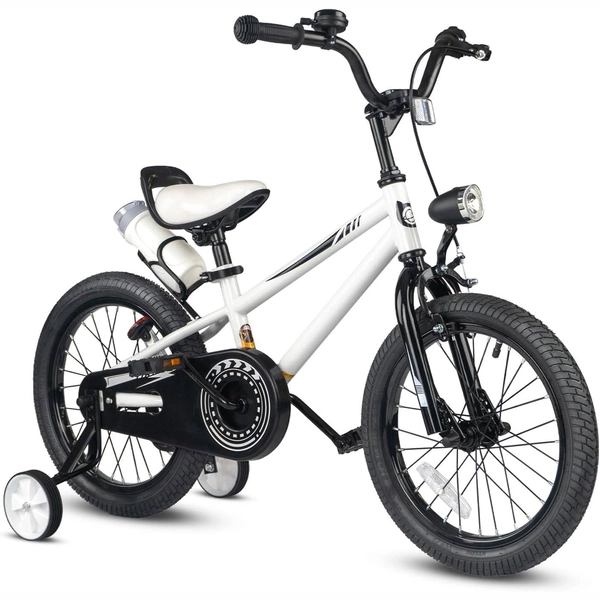
XJD Kids' Training Wheel Bike for Boys & Girls, 12/14/16 Inch – White
The XJD kids' training wheel bike in White is made for riders ages 3–8 (roughly …
Training Wheel Bikes Wheel Size 12 Inch / 14 Inch / 16 Inch Recommended Height 86–122 cm Training Wheels Yes 14 Inch -
Save 12%
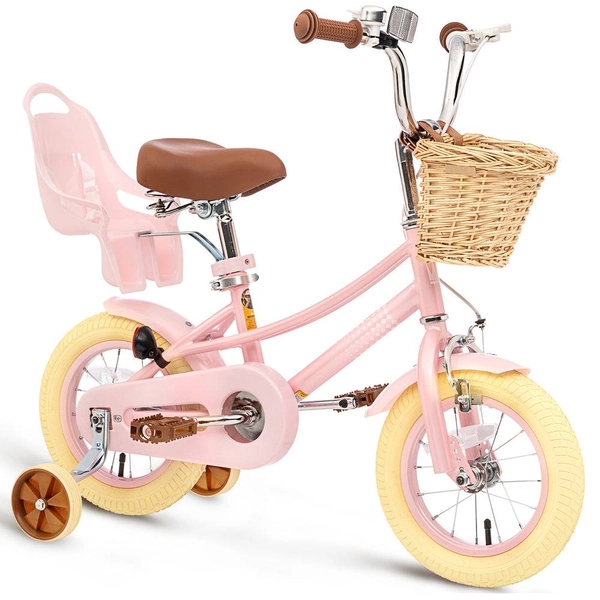
XJD Kids Bike for Girls – Pink, 12/14/16/20 Inch with Training Wheels
The XJD Kids Bike for Girls in Pink is a training-wheel bike built to carry your…
Training Wheel Bikes Wheel Size 12 Inch / 14 Inch / 16 Inch / 20 Inch Recommended Height 86–152 cm Training Wheels Yes 12 Inch