What age do kids get a bicycle with training wheels
Kids often get a bicycle with training wheels from about age 3, but height, inseam, reach, brake control and confidence—not birthday—should decide readiness and size.
The practical age answer
For a first training-wheel bicycle, the XBikes starting points begin with a 12-inch wheel at ages 3–4 and a 14-inch wheel at ages 3–6. A taller or more developed beginner may fit a 16-inch bicycle, whose starting range is ages 4–7. These ranges help narrow the search; they do not prove that a particular bicycle fits.
A child is ready to try one when they can sit securely, hold the handlebar without stretching, understand simple stopping instructions and show interest in pedaling. Some children reach that point earlier or later than peers. Training wheels can provide temporary side-to-side support, but they cannot correct a bicycle that is too large or difficult to control.
Measure before choosing a wheel size
Measure the child’s height without shoes, standing straight against a wall. Measure inseam from the floor to the crotch while the child stands with feet slightly apart. Keep both figures available when checking the exact bicycle’s geometry and manual.
| Wheel size | XBikes age starting point | Rider height starting point |
|---|---|---|
| 12 Inch | Ages 3–4 | 34–40 in / 86–102 cm |
| 14 Inch | Ages 3–6 | 37–45 in / 94–114 cm |
| 16 Inch | Ages 4–7 | 40–48 in / 102–122 cm |
The ranges overlap intentionally. In an overlap, do not automatically select the larger wheel for extra growing room. Have the child try the bicycle and favor the size that permits better control now.
Check the individual fit
A proper fit check should answer four questions:
- Can the child straddle the bicycle comfortably rather than being pressed against the frame?
- Can they reach the handlebar while keeping a stable posture, without leaning or stretching excessively?
- Can they operate the brakes reliably with their hands in a controlled riding position?
- Do they appear calm enough to start, steer and stop on command?
If any answer is no, try a different size or setup. The American Academy of Pediatrics advises having the child try the bicycle, checking stand-over clearance, control and brake reach, and avoiding an oversized bicycle bought merely for growth.
How the supplied bicycles compare
The three catalog options are relevant because their supplied SKU labels cover 12-, 14- and 16-inch wheels—the sizes spanning the XBikes starting points from ages 3–7. They let parents compare the size indicated by measured height and an actual fit check rather than choosing from age alone.
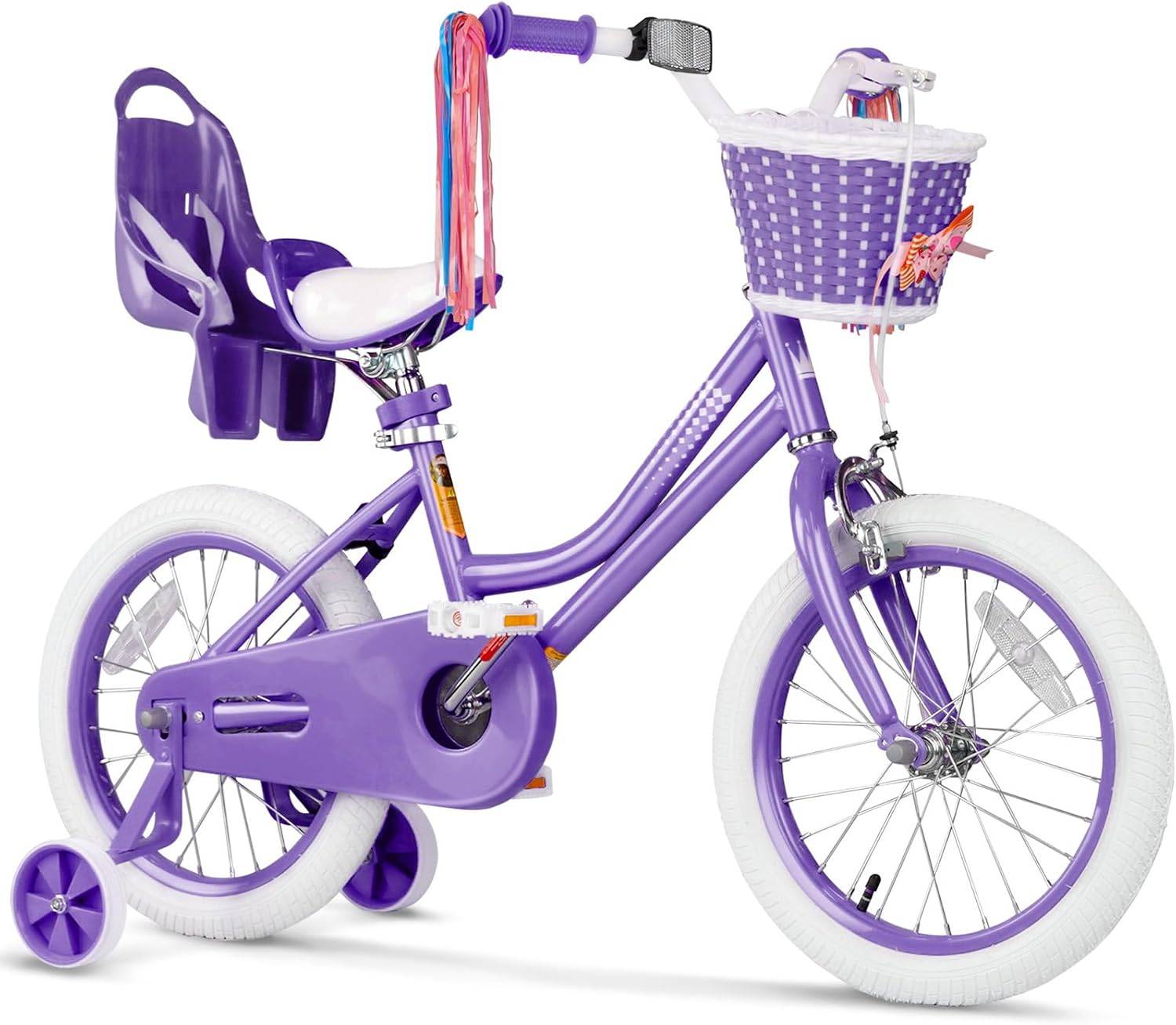 XJD Girls Bike for Kids Ages 3-8, 12/14/16 Inch with Training Wheels – Purple
Offers supplied 12-, 14- and 16-inch SKU labels with training wheels. Its “Ages 3-8” title wording is a catalog label, so select by measured height and an individual fit check.
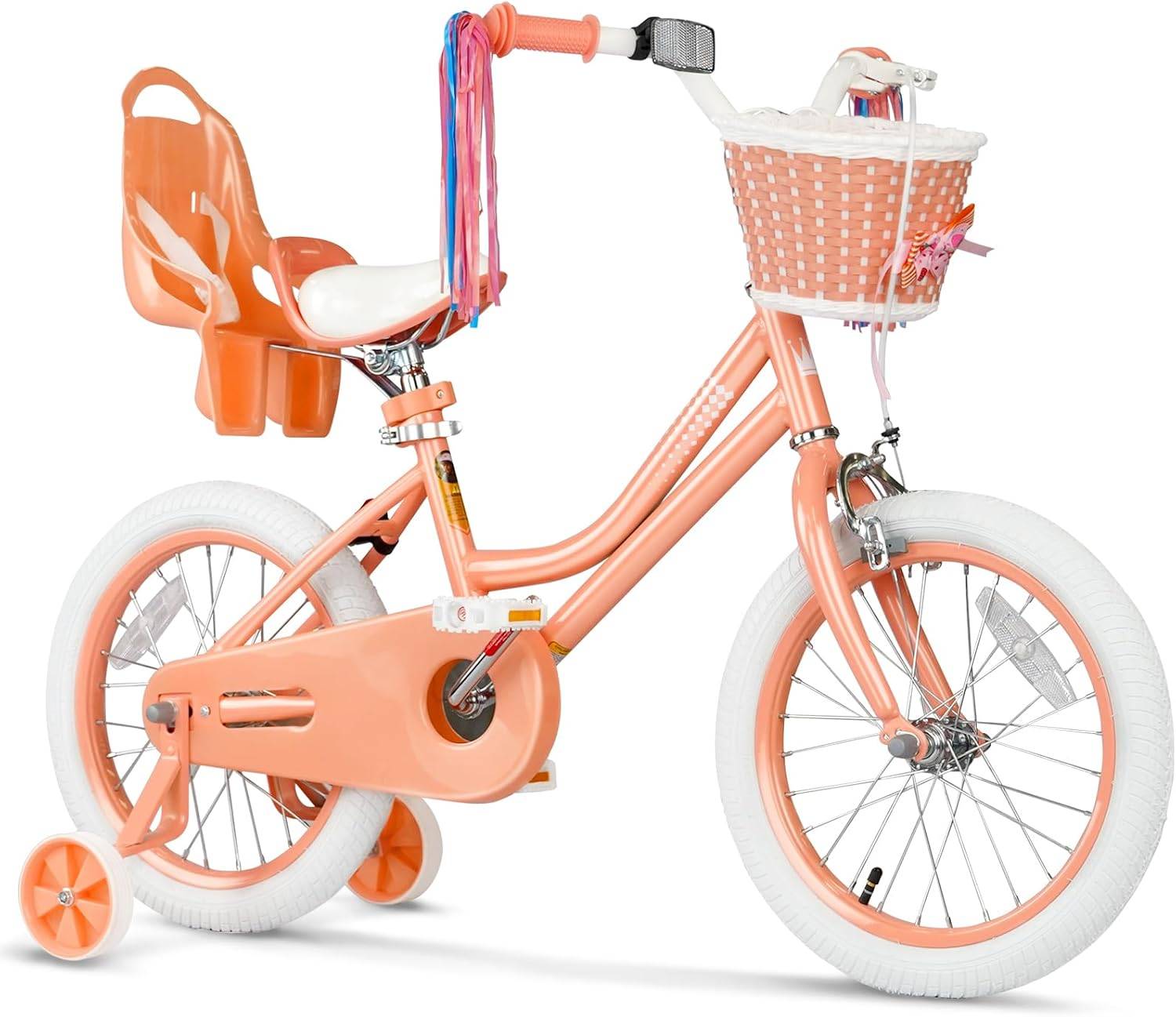 Girls 12/14/16 Inch Kids Bike by XJD with Training Wheels – Peach
Provides supplied 12-, 14- and 16-inch SKU labels with training wheels, making it relevant for comparing the XBikes starting ranges after checking the child’s height, reach, brake control and confidence.
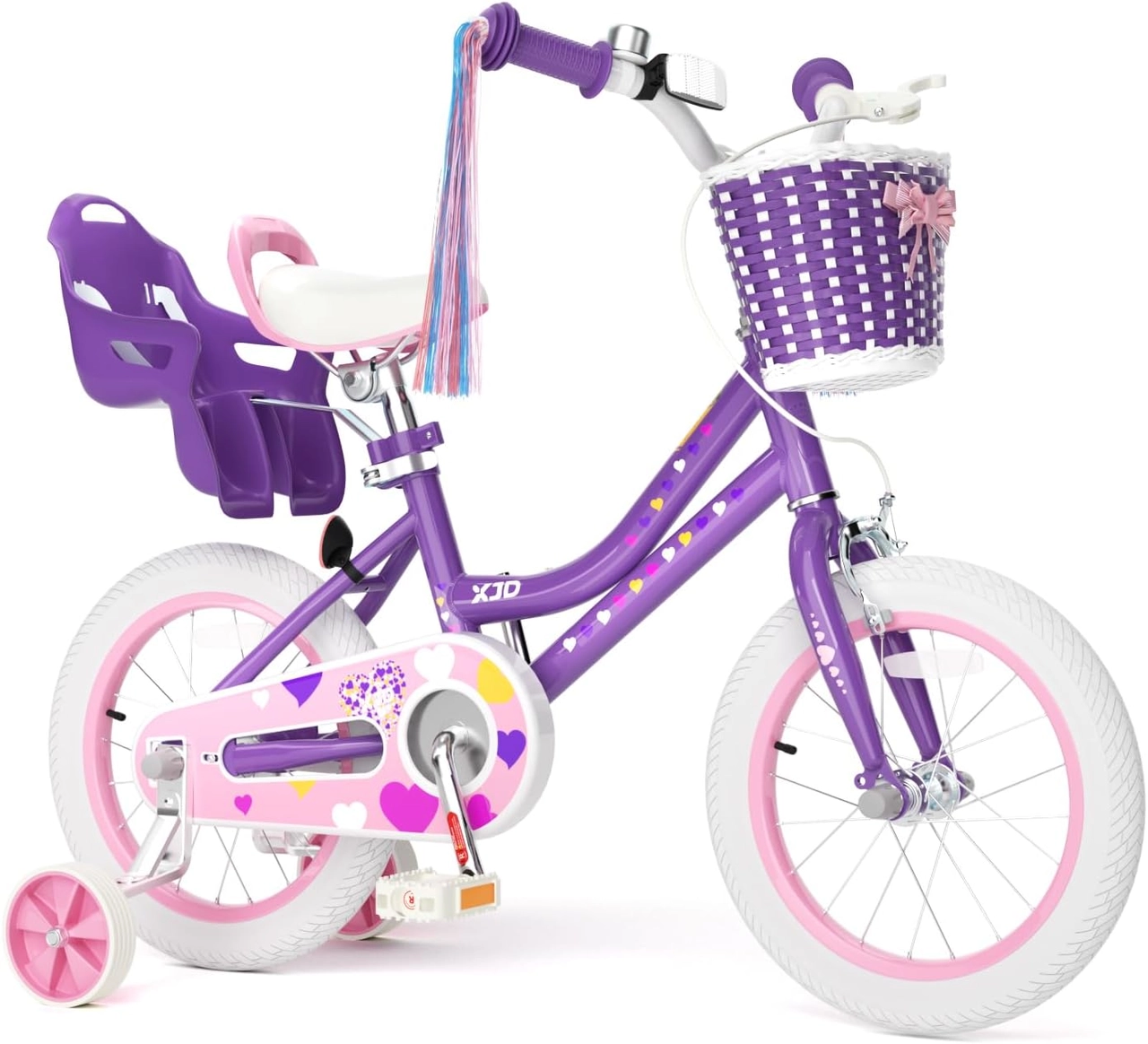 XJD Light Purple Girls Bike with Basket, Training Wheels, 12/14/16/20 Inch
Its exact title mentions 12/14/16/20 Inch, while the supplied available SKU labels are only 12, 14 and 16 Inch. Confirm fit and do not infer current 20-inch availability.
XJD Girls Bike for Kids Ages 3-8, 12/14/16 Inch with Training Wheels – Purple has supplied 12-, 14- and 16-inch SKU labels. The “Ages 3-8” wording is part of its catalog title, not individual fit evidence; use the XBikes ranges and a try-on check.
Girls 12/14/16 Inch Kids Bike by XJD with Training Wheels – Peach also has supplied 12-, 14- and 16-inch labels. Compare the appropriate labeled size after measuring the rider, then confirm stand-over position, reach and brake control on that exact bicycle.
XJD Light Purple Girls Bike with Basket, Training Wheels, 12/14/16/20 Inch includes “20 Inch” in its exact catalog title, but the supplied available SKU labels are only 12 Inch, 14 Inch and 16 Inch. Do not assume a 20-inch option is available from the facts here.
Color and title wording do not determine fit. No supplied facts establish differences in frame geometry, brakes, weight, materials or adjustability, so those details should not be inferred.
What to do before the first ride
- Measure height and inseam, then use the table to identify a starting wheel size.
- Have the child try that bicycle and compare a neighboring size if their height falls in an overlap.
- Confirm comfortable stand-over clearance, natural reach, steering control and reliable brake operation.
- Follow the exact product manual for assembly, adjustment, maintenance, compatibility and torque, or use a qualified bicycle mechanic.
- Fit a bicycle helmet so it sits level and secure, with its straps adjusted according to the helmet manufacturer’s instructions.
Practice in a flat area away from traffic with close adult supervision. Stop if the child cannot steer predictably, reach the brakes or remain comfortably positioned; training wheels are not a reason to continue with a poor fit.
When training wheels are no longer useful
There is no required age for removal. Consider the transition when the child starts, pedals, steers and stops confidently and consistently, and no longer depends on the side wheels for ordinary balance. Follow the bicycle’s exact manual or ask a qualified mechanic about removal and adjustment.
For a child around age 3 or older, measure first, shortlist 12, 14 or 16 inches from the stated ranges, and buy only after the child demonstrates comfortable stand-over, reach, brake control and confidence on the exact bicycle.
Recommended products
-
Save 16%
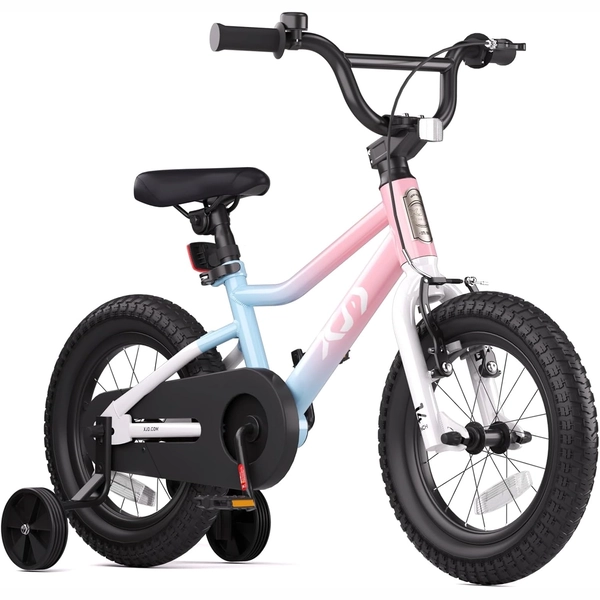
XJD Girls BMX Bike 12/14/16 Inch with Training Wheels – Pink Blue
The XJD Girls BMX Bike in Pink/Blue is built as a first pedal bike for kids roug…
Kids' BMX Bikes Wheel Size 12 Inch / 14 Inch / 16 Inch Recommended Height 86–122 cm Training Wheels Yes Single Speed 12 Inch -
Save 5%
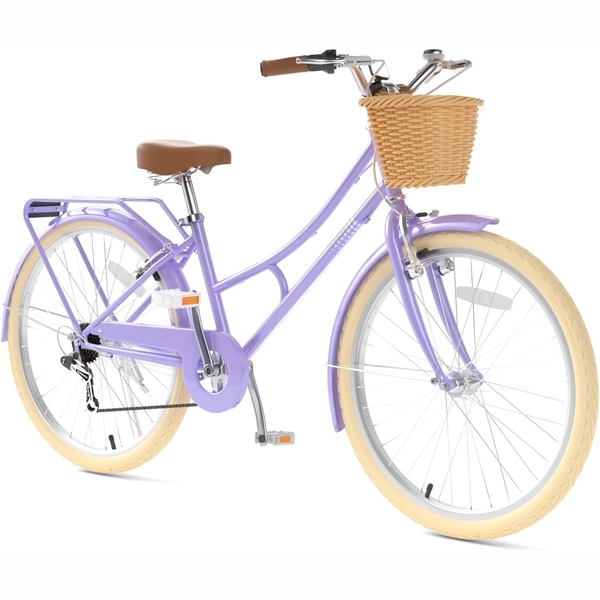
26-Inch XJD Beach Cruiser Bike for Girls – Purple, V-Brake
This XJD 26-inch purple beach cruiser is sized for big kids and teens — suggeste…
Beach Cruiser Bikes Wheel Size 20 Inch / 24 Inch / 26 Inch Recommended Height 122–200 cm Training Wheels No Geared Purple / 26 Inch -
Save 14%
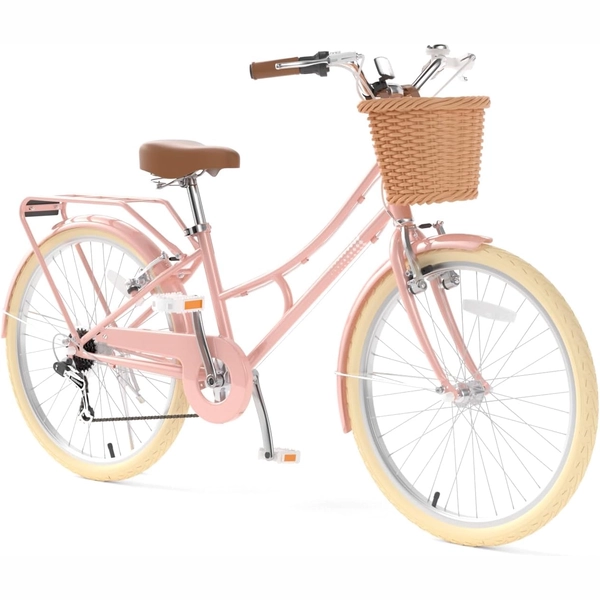
XJD Pink Beach Cruiser for Girls – Rear Rack & V-Brake
The XJD Pink Beach Cruiser for girls is the step-up bike for riders who've outgr…
Beach Cruiser Bikes Wheel Size 20 Inch / 24 Inch / 26 Inch Recommended Height 122–200 cm Training Wheels No Geared 20 Inch -
Save 11%
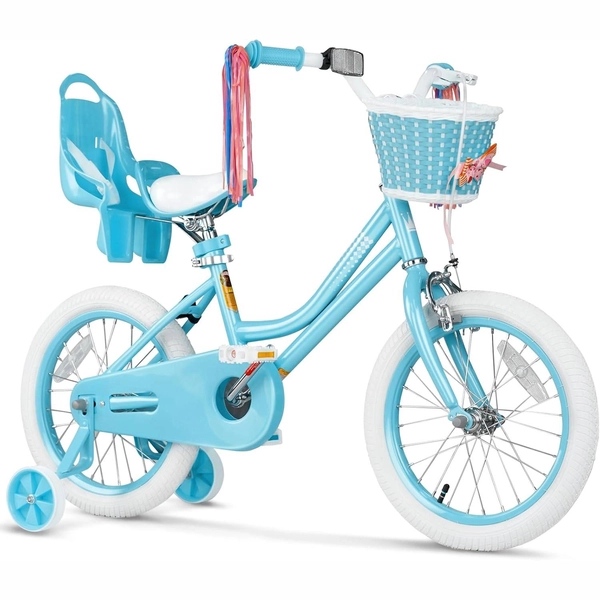
Blue XJD Girls Bike with Training Wheels – 12/14/16 Inch
If you're shopping for a first pedal bike for a daughter roughly 3 to 8 years ol…
Training Wheel Bikes Wheel Size 12 Inch / 14 Inch / 16 Inch Recommended Height 86–122 cm Training Wheels Yes 16 Inch