What age do kids get bikes with training wheels
Kids often get a bike with training wheels around ages 3–4, but age is only a starting point. Measure the child and confirm stand-over clearance, reach, brake control and confidence before choosing.
Use age to shortlist, not to decide
For the training-wheel sizes supplied here, XBikes lists these starting points: 12 Inch for ages 3–4, 14 Inch for ages 3–6 and 16 Inch for ages 4–7. The overlapping ranges matter: two children of the same age may need different wheel sizes because their height, proportions and control differ.
A child is ready to consider this type of bike when they can sit securely, reach the controls, steer deliberately and follow simple stopping instructions. Training wheels can provide lateral support while those skills develop, but they do not correct a frame that is too large or controls that are out of reach.
Measure before comparing wheel sizes
Measure the child's height without shoes, standing straight against a wall. Measure inseam from the floor to the crotch using a firm book held level to represent the bicycle's top tube. Record both measurements rather than relying on an age printed on a tag or remembered from a previous bike.
| Wheel size | XBikes age starting point | Rider height starting point |
|---|---|---|
| 12 Inch | Ages 3–4 | 34–40 in / 86–102 cm |
| 14 Inch | Ages 3–6 | 37–45 in / 94–114 cm |
| 16 Inch | Ages 4–7 | 40–48 in / 102–122 cm |
Height narrows the options, but it cannot confirm fit by itself. Inseam, arm length and body proportions affect whether the child can stand over the bike, sit comfortably and operate it without stretching.
Check the bike with the child present
Have the child try the exact bicycle whenever possible. The American Academy of Pediatrics advises against buying an oversized bicycle simply so a child can grow into it. During the fit check, look for controlled movement rather than merely asking whether the bike feels comfortable.
- Confirm that the child can straddle the bicycle with usable clearance instead of being pressed against the frame.
- Check that both hands reach the handlebars naturally and can steer without the torso being pulled far forward.
- Verify that the child can reach and operate the available brake controls reliably.
- Watch the child start, steer and stop in a quiet, level area with close adult supervision.
- Reject the size if the child appears stretched, cannot control the brakes or becomes less confident.
If the child's height sits in an overlap, compare both candidate sizes in person. Choose according to present control and fit—not the larger wheel size by default.
How the supplied bike helps with the comparison
The Girls 12/14/16 Inch Kids Bike by XJD with Training Wheels – Peach is relevant because its supplied size labels—12 Inch, 14 Inch and 16 Inch—cover the XBikes starting ranges most closely associated here with ages 3 through 7. Those labels create useful comparison points after measuring the rider; the product title itself is not evidence that any individual child will fit.
These particular catalog options help answer the age question by letting a parent compare three adjacent training-wheel sizes against the child's measured height and an individual fit check.
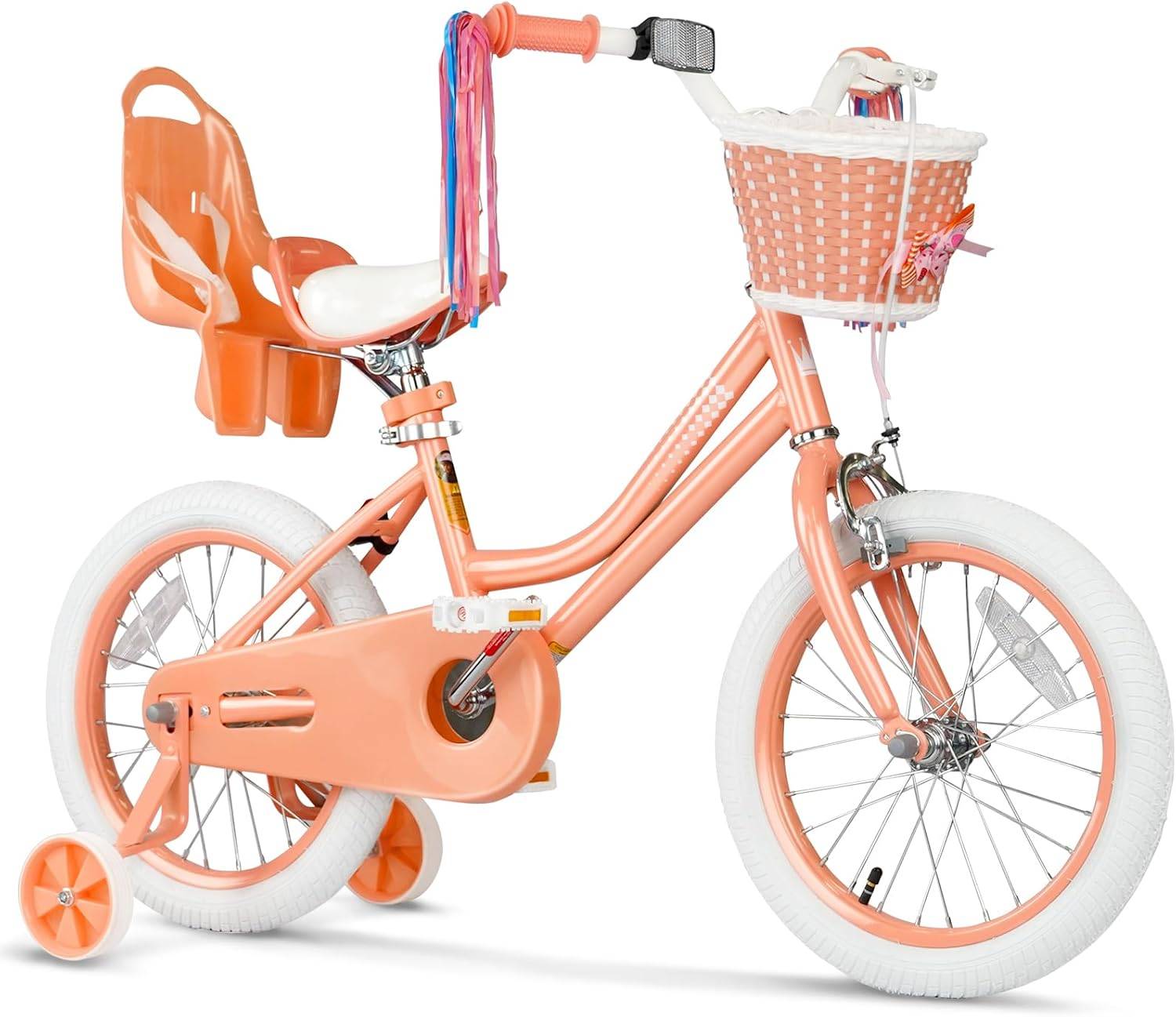
No supplied facts establish dimensions beyond the wheel-size labels, so consult the exact product manual for assembly, adjustments, load limits, compatibility and maintenance. If anything is unclear or the setup cannot be checked confidently, use a qualified bicycle mechanic.
When training wheels are and are not relevant
A training-wheel bike may be relevant when the child fits an available size but still needs side-to-side support while learning to pedal, steer and stop. Confidence should be judged in a controlled practice area, not inferred from age.
It is not the right purchase when the child falls outside the size's height starting point, lacks stand-over clearance, cannot reach the controls or cannot brake reliably. It may also be unnecessary when the child already starts, balances, steers and stops confidently without lateral support. Do not move up a size merely to retain training wheels.
Helmet and next decision
Use a bicycle helmet on every ride. The U.S. Consumer Product Safety Commission advises that the helmet must fit properly, sit level and have its straps used according to the helmet manufacturer's instructions. A poorly positioned or loosely secured helmet is not an adequate fit.
Measure height and inseam now, shortlist 12, 14 or 16 Inch from the table, and have the child try the shortlisted size. Proceed only when stand-over, reach, braking and confidence all work today; otherwise compare another size or wait rather than buying for a future age.
Recommended products
-
Save 16%
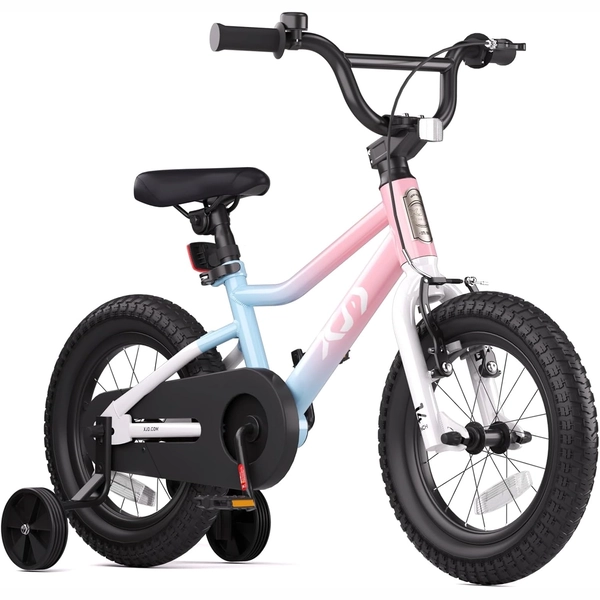
XJD Girls BMX Bike 12/14/16 Inch with Training Wheels – Pink Blue
The XJD Girls BMX Bike in Pink/Blue is built as a first pedal bike for kids roug…
Kids' BMX Bikes Wheel Size 12 Inch / 14 Inch / 16 Inch Recommended Height 86–122 cm Training Wheels Yes Single Speed 12 Inch -
Save 5%
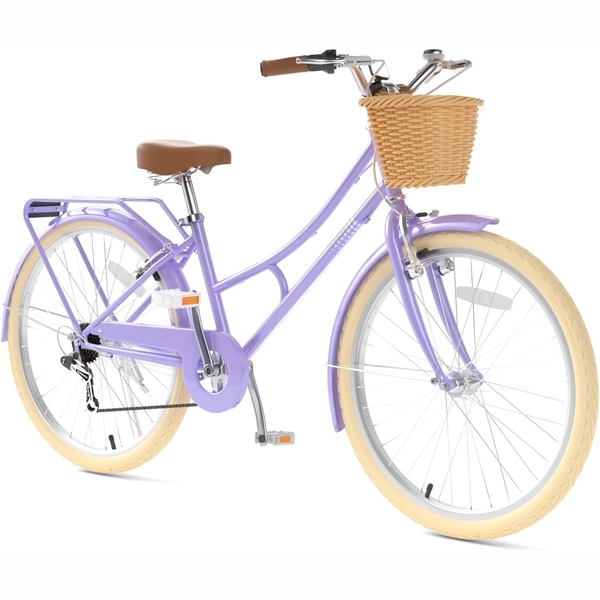
26-Inch XJD Beach Cruiser Bike for Girls – Purple, V-Brake
This XJD 26-inch purple beach cruiser is sized for big kids and teens — suggeste…
Beach Cruiser Bikes Wheel Size 20 Inch / 24 Inch / 26 Inch Recommended Height 122–200 cm Training Wheels No Geared Purple / 26 Inch -
Save 14%
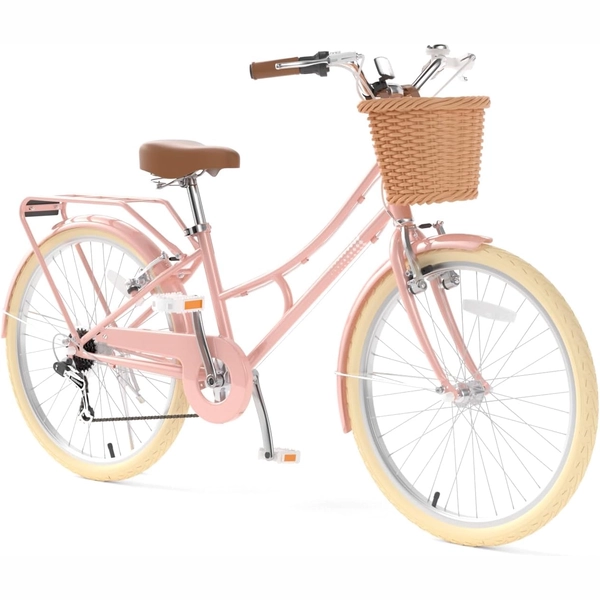
XJD Pink Beach Cruiser for Girls – Rear Rack & V-Brake
The XJD Pink Beach Cruiser for girls is the step-up bike for riders who've outgr…
Beach Cruiser Bikes Wheel Size 20 Inch / 24 Inch / 26 Inch Recommended Height 122–200 cm Training Wheels No Geared 20 Inch -
Save 11%
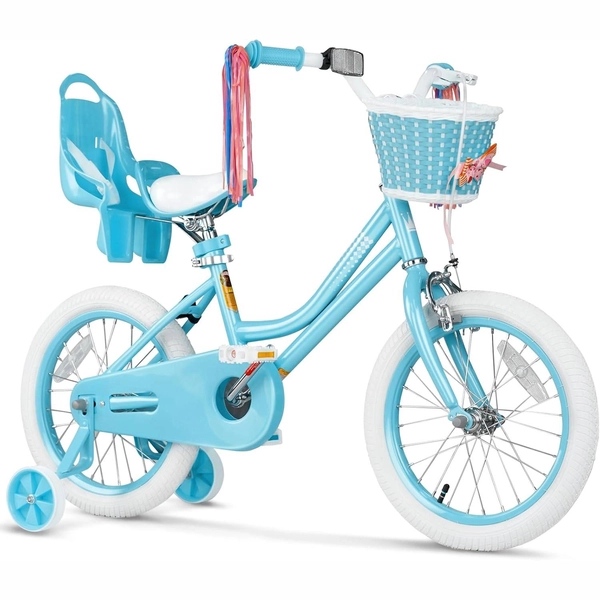
Blue XJD Girls Bike with Training Wheels – 12/14/16 Inch
If you're shopping for a first pedal bike for a daughter roughly 3 to 8 years ol…
Training Wheel Bikes Wheel Size 12 Inch / 14 Inch / 16 Inch Recommended Height 86–122 cm Training Wheels Yes 16 Inch