When can a child ride a bike without training wheels
A child can ride without training wheels when they can balance, steer, start, stop and brake with control on a correctly fitted bike.
Readiness matters more than age
There is no single birthday when training wheels should come off. Age and wheel size are only starting points. The better test is whether your child can keep the bicycle upright, look ahead while steering, start without being held, and stop predictably.
Confidence also matters. A child who has the physical skills but becomes frightened or freezes may benefit from more short practice sessions. Do not remove the wheels simply because another child of the same age has already done so.
Measure and check the bicycle fit
Measure your child's standing height and inseam, then have them try the actual bicycle. Compare their height with the XBikes starting points below, but prioritize the individual fit check.
| Wheel size | Starting age | Rider height |
|---|---|---|
| 12 Inch | 3–4 | 34–40 in / 86–102 cm |
| 14 Inch | 3–6 | 37–45 in / 94–114 cm |
| 16 Inch | 4–7 | 40–48 in / 102–122 cm |
| 18 Inch | 5–9 | 43–52 in / 109–132 cm |
| 20 Inch | 7–12 | 48–60 in / 122–152 cm |
| 24 Inch | 10–14 | 54–64 in / 137–163 cm |
| 26 Inch | Youth and adults over 60 in | Over 60 in / 153 cm |
On the bike, check that the child can stand over it comfortably, reach the handlebars without stretching, turn the bars without losing control, and operate the brakes reliably. Never choose an oversized bicycle merely to leave room for growth. If stand-over clearance, reach or brake access is doubtful, try another size.
Use a practical readiness check
In a flat, open area away from traffic, look for these abilities before taking off the training wheels:
- The child can sit centered rather than leaning heavily to one side.
- They steer toward a clear target while looking ahead.
- They understand how to slow and stop using the bicycle's controls.
- They can place their feet down promptly when balance is lost.
- They willingly practice and can follow simple stopping instructions.
Training wheels can conceal weak balance because they prevent the normal side-to-side corrections used on two wheels. If your child depends on one training wheel through most turns, balance practice should come before independent riding.
What to do after removing the wheels
Choose a smooth, level practice space. Begin with short sessions and a clear stopping point. Let the child practice sitting, looking forward, pushing off and stopping. A supervising adult can stay close enough to assist without pulling the handlebars, which can interfere with steering.
Use a properly fitted bicycle helmet every time. It should sit level, fit securely and have its straps adjusted according to the helmet manufacturer's instructions. Stop the session if the child becomes tired, repeatedly loses control, cannot reach the brakes or no longer wants to continue.
If the bicycle's training-wheel removal, assembly or adjustment procedure is not clear, follow the exact product manual or ask a qualified bicycle mechanic. Do not guess about compatibility, fastener torque or installation.
How the supplied bike helps with the decision
The XJD Light Purple Girls Bike with Basket, Training Wheels, 12/14/16/20 Inch is relevant because its supplied selectable SKU labels are 12 Inch, 14 Inch and 16 Inch, giving parents three size starting points to compare with a child's measured height. The title also mentions 20 Inch, but 20 Inch is not among the supplied available SKU labels, so verify the exact option shown before choosing. These size labels help narrow the comparison; they do not establish readiness or replace an individual fit and control check.
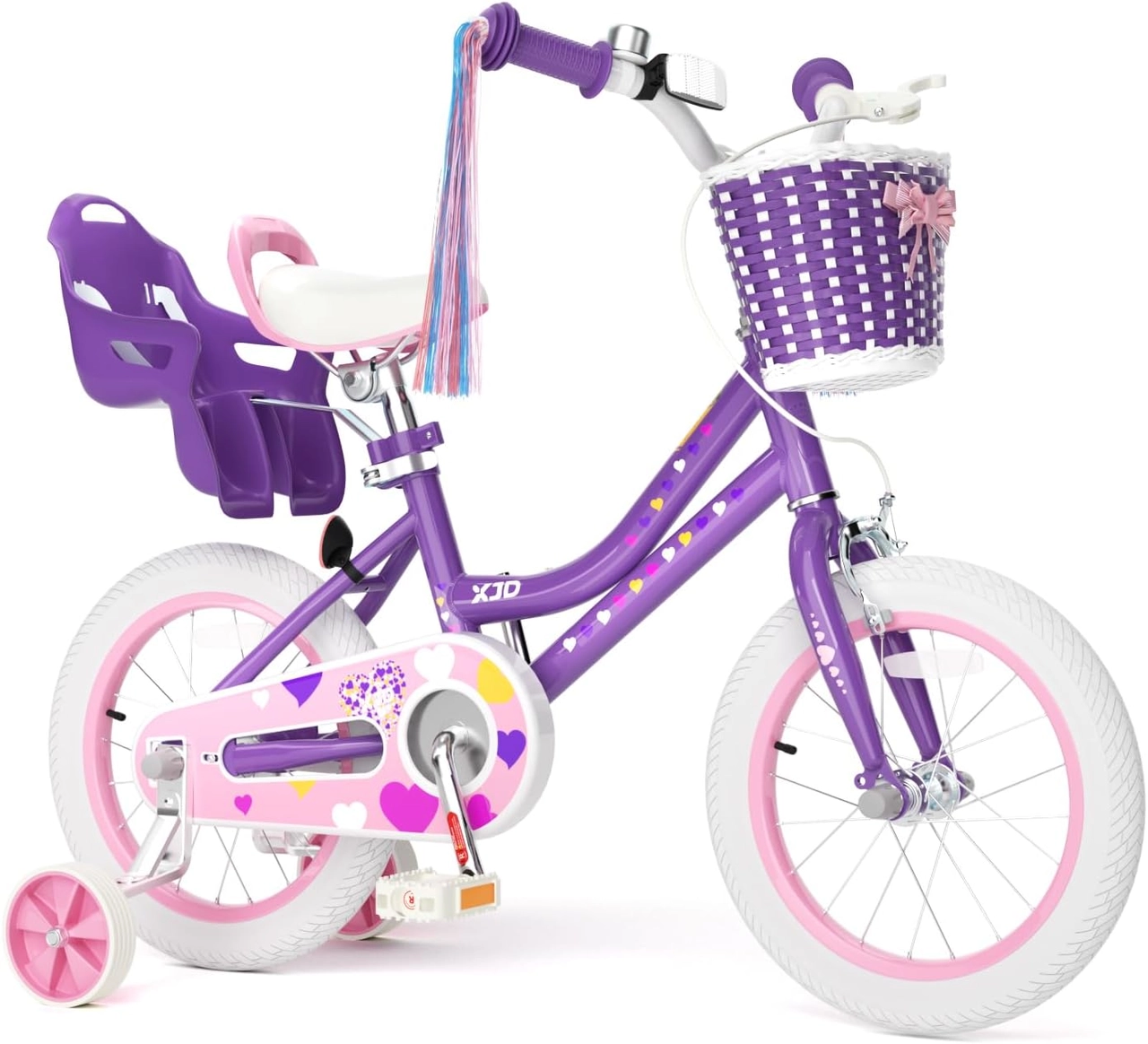
Using the XBikes starting points, consider 12 Inch at 34–40 inches tall, 14 Inch at 37–45 inches, and 16 Inch at 40–48 inches. Where ranges overlap, compare stand-over position, reach, brake control and confidence on the actual bike rather than choosing by age or selecting the larger option automatically.
Make the final call
Remove the training wheels when all four conditions align: the bicycle fits now, the child demonstrates balance and steering, they can start and stop under control, and they want to try. Keep them on temporarily if the child cannot control the brakes, has to stretch to reach, consistently tips onto a training wheel or feels overwhelmed.
Your next step is simple: measure height and inseam, select a plausible wheel-size starting point, perform an in-person fit check, and observe one controlled practice session. If fit and control both pass, begin short two-wheel practice; if either fails, correct the fit or continue skill-building before trying again.
Recommended products
-
Save 13%
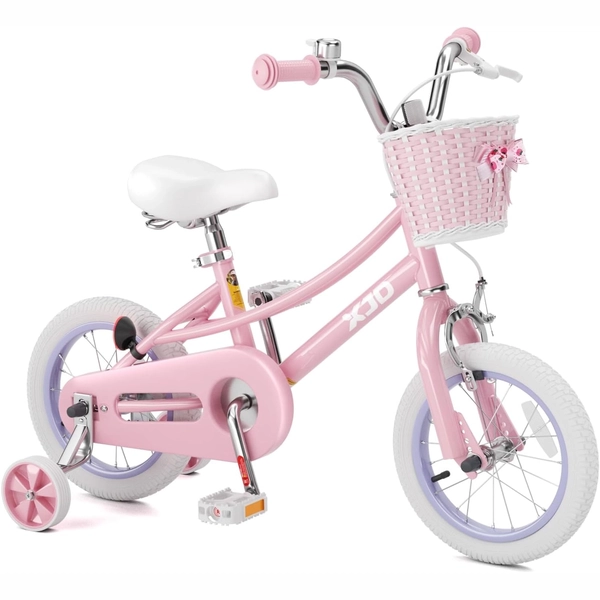
Pink 12/14/16/20" XJD Girls Bike with Training Wheels & Basket
The Pink XJD Girls Bike with Training Wheels & Basket is a first-bike pick f…
Training Wheel Bikes Wheel Size 12 Inch / 14 Inch / 16 Inch / 20 Inch Recommended Height 86–152 cm Training Wheels Yes Single Speed 12 Inch -
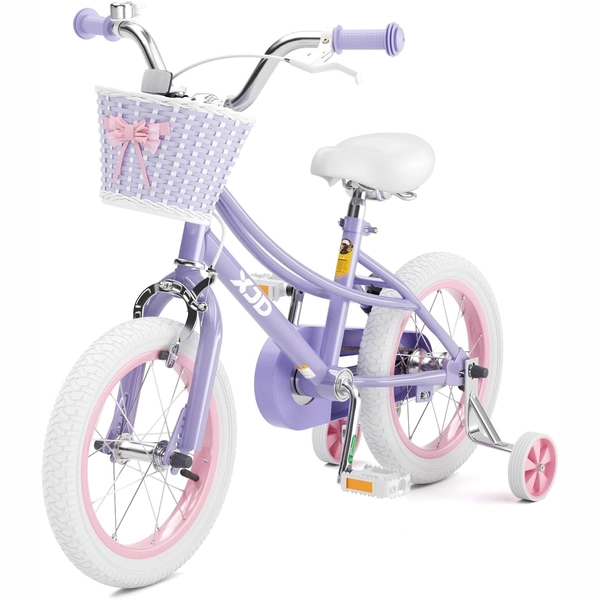
Girls' Training Wheel Bike by XJD with Basket – Purple
If you're shopping for a first bike for a girl roughly 3 to 12 years old (91–152…
Training Wheel Bikes Wheel Size 14 Inch / 16 Inch / 20 Inch Recommended Height 94–152 cm Training Wheels Yes Single Speed 14 Inch -
Save 11%
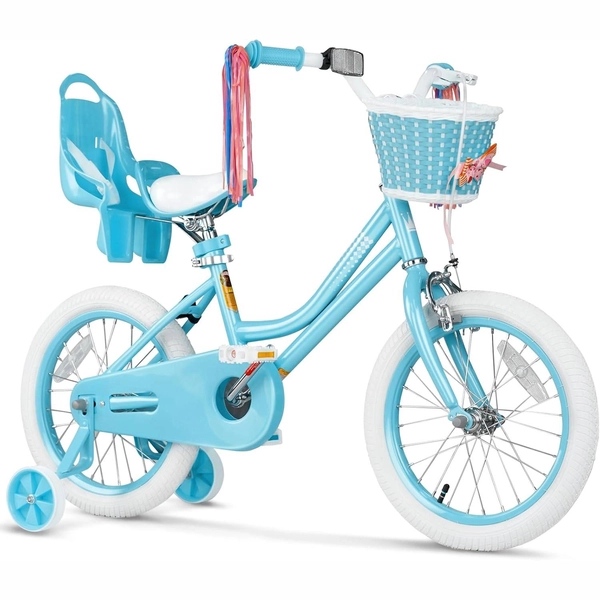
Blue XJD Girls Bike with Training Wheels – 12/14/16 Inch
If you're shopping for a first pedal bike for a daughter roughly 3 to 8 years ol…
Training Wheel Bikes Wheel Size 12 Inch / 14 Inch / 16 Inch Recommended Height 86–122 cm Training Wheels Yes 16 Inch -
Save 15%
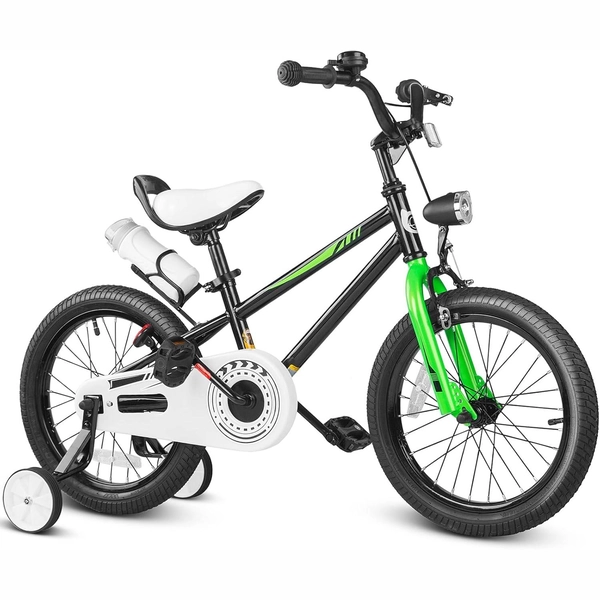
Black XJD Kids Bike for Boys – 12, 14 & 16 Inch Sizes
For a son between roughly 3 and 8 years old, the XJD Kids Bike in Black covers t…
Training Wheel Bikes Wheel Size 12 Inch / 14 Inch / 16 Inch Recommended Height 86–122 cm Training Wheels Yes 12 Inch