When do kids start riding bikes with training wheels
Most kids start riding bikes with training wheels around ages 3 to 6, but measured height, physical control and confidence matter more than age.
When is a child ready for training wheels?
Use age only as a starting point. A child is more likely to be ready when they can sit securely, hold the handlebar without struggling, steer toward a target and understand simple directions such as “stop” and “wait.” They should also be willing to practice; training wheels cannot compensate for fear, poor fit or difficulty controlling the bicycle.
Before buying, measure the child’s standing height and inseam. Then have them try the bicycle. Check that they can stand over it comfortably, reach the handlebar without stretching and operate the brakes with control. Do not choose an oversized bike merely to leave room for growth.
Compare height with these starting points
The overlapping ranges below are XBikes starting points, not guarantees of fit. When two sizes appear possible, compare both through an individual fit check rather than choosing by age alone.
| Wheel size | Starting age | Rider height |
|---|---|---|
| 12 Inch | 3–4 | 34–40 in / 86–102 cm |
| 14 Inch | 3–6 | 37–45 in / 94–114 cm |
| 16 Inch | 4–7 | 40–48 in / 102–122 cm |
For example, a five-year-old is not automatically ready for a 16-inch bicycle. If that rider measures 39 inches, the height starting points place them within the 12- and 14-inch ranges, not the 16-inch range. Reach, stand-over clearance, brake control and current confidence must settle the decision.
How the supplied training-wheel bike helps with comparison
The Girls 12/14/16 Inch Kids Bike by XJD with Training Wheels – Peach is available with 12 Inch, 14 Inch and 16 Inch SKU labels. Those three options cover the wheel-size starting points most closely associated with the common training-wheel years, so parents can compare sizes without assuming one size fits every child. The title’s wording is a catalog name, not proof that the bicycle fits a particular rider.
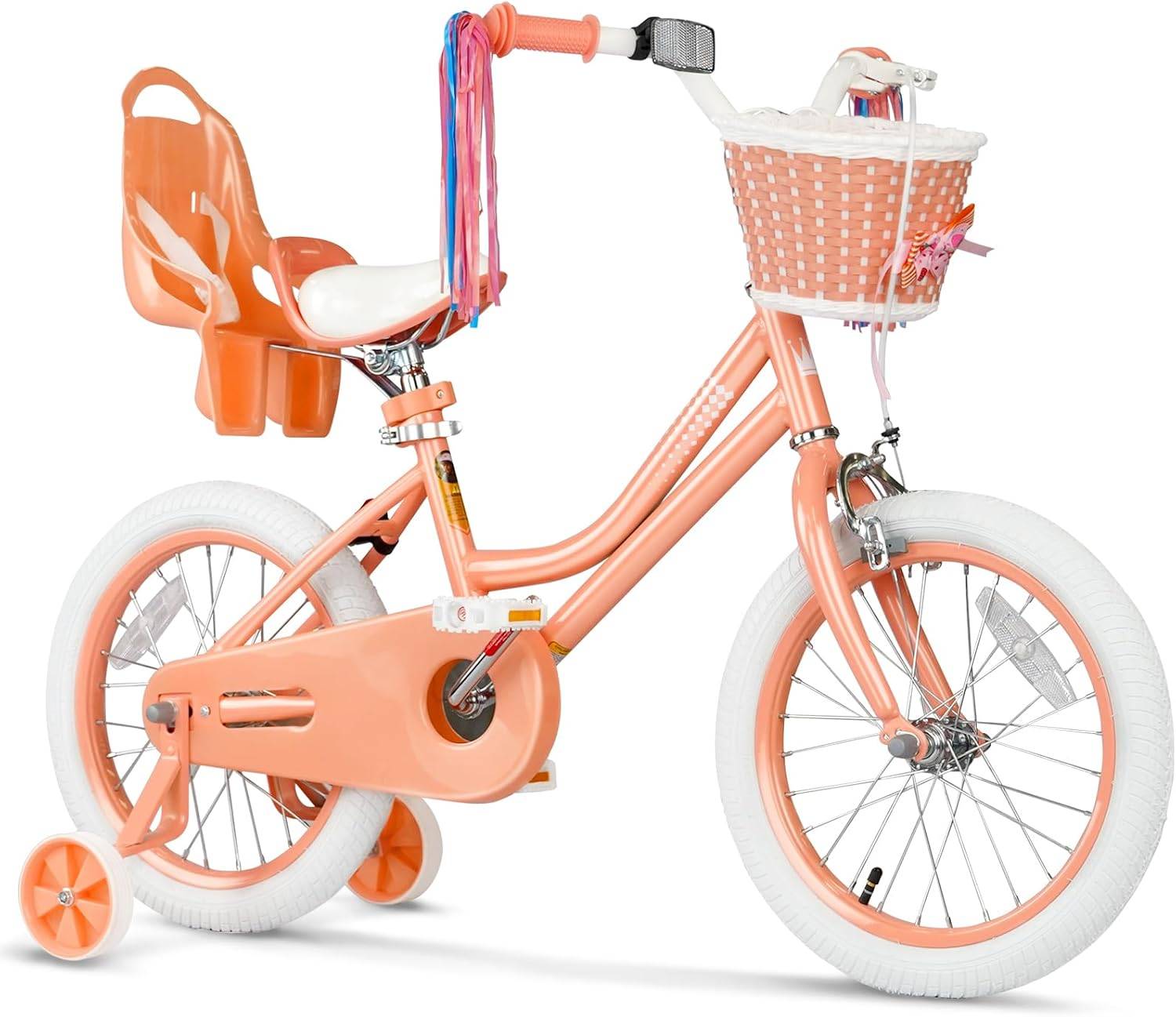
This product is relevant when the child’s measurements point toward one of those three listed sizes and an in-person fit check confirms comfortable control. It is not enough to select the SKU from age alone. No supplied catalog facts establish its weight, materials, brake type, load limit or detailed adjustability.
Perform a fit and control check
- Measure first: record standing height and inseam without shoes adding misleading height.
- Check stand-over: have the child straddle the bicycle and confirm that the frame does not prevent a comfortable, stable stance.
- Check seated reach: confirm they can hold the handlebar while remaining balanced, without locking their arms or leaning far forward.
- Check the brakes: make sure the child can reach and operate the bicycle’s braking controls reliably. Do not assume a brake type that is not stated in the catalog facts.
- Watch a short trial: look for controlled starts, steering and stops at walking speed with close adult supervision.
If the child cannot reach comfortably, control the brakes or remain composed during the trial, choose a different fit or pause and build confidence before riding.
What training wheels can and cannot do
Training wheels can provide side-to-side support while a child practices pedaling, steering and stopping. They do not correct a bicycle that is too large, eliminate tipping, teach brake control automatically or replace supervision. Practice in a flat area away from traffic, vehicles, steep slopes and other avoidable hazards.
A bicycle helmet is necessary for each ride. It must fit properly, sit level on the head and have its straps adjusted according to the helmet manufacturer’s instructions.
What to do after choosing a size
Follow the exact bicycle manual for assembly, training-wheel adjustment, maintenance, compatibility and any torque or load-limit requirements. If instructions are missing, unclear or beyond your experience, use a qualified bicycle mechanic rather than guessing.
As the child gains control, judge progress by consistent steering, deliberate braking and calm starts—not by a birthday or a deadline. Make the next decision now: measure height and inseam, compare the 12-, 14- and 16-inch starting ranges, then let the child try the matching candidate and reject any size they cannot comfortably control.
Recommended products
-
Save 11%
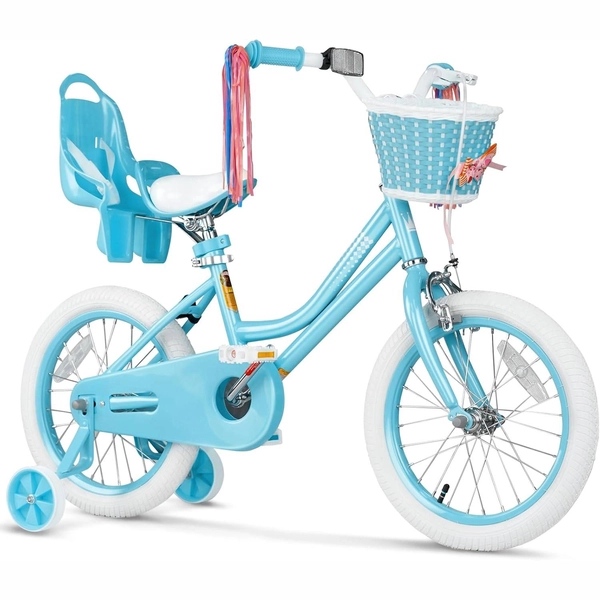
Blue XJD Girls Bike with Training Wheels – 12/14/16 Inch
If you're shopping for a first pedal bike for a daughter roughly 3 to 8 years ol…
Training Wheel Bikes Wheel Size 12 Inch / 14 Inch / 16 Inch Recommended Height 86–122 cm Training Wheels Yes 16 Inch -
Save 16%
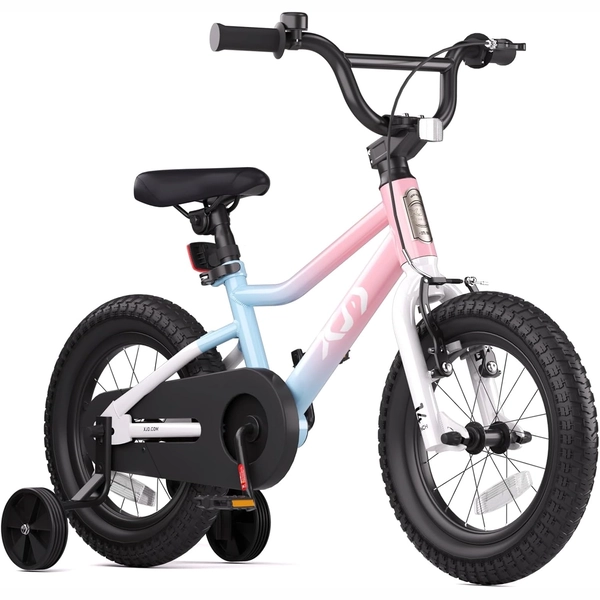
XJD Girls BMX Bike 12/14/16 Inch with Training Wheels – Pink Blue
The XJD Girls BMX Bike in Pink/Blue is built as a first pedal bike for kids roug…
Kids' BMX Bikes Wheel Size 12 Inch / 14 Inch / 16 Inch Recommended Height 86–122 cm Training Wheels Yes Single Speed 12 Inch -
Save 5%
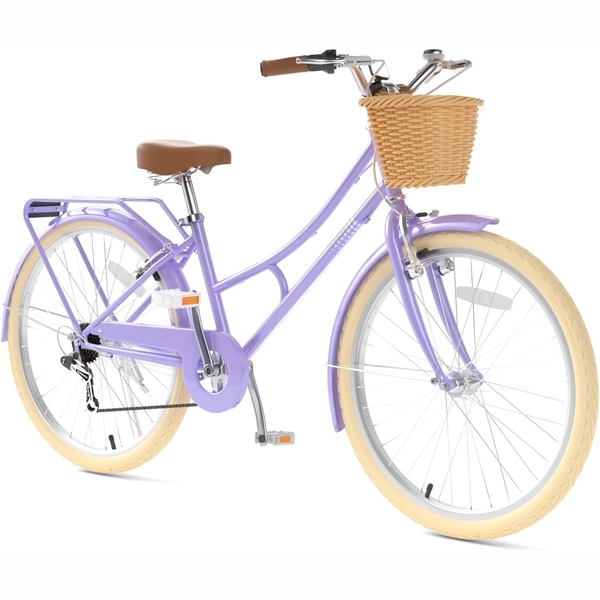
26-Inch XJD Beach Cruiser Bike for Girls – Purple, V-Brake
This XJD 26-inch purple beach cruiser is sized for big kids and teens — suggeste…
Beach Cruiser Bikes Wheel Size 20 Inch / 24 Inch / 26 Inch Recommended Height 122–200 cm Training Wheels No Geared Purple / 26 Inch -
Save 14%
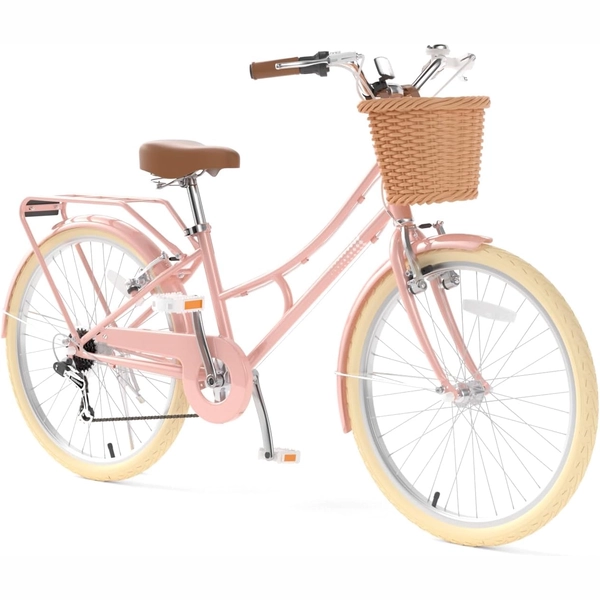
XJD Pink Beach Cruiser for Girls – Rear Rack & V-Brake
The XJD Pink Beach Cruiser for girls is the step-up bike for riders who've outgr…
Beach Cruiser Bikes Wheel Size 20 Inch / 24 Inch / 26 Inch Recommended Height 122–200 cm Training Wheels No Geared 20 Inch