

How far can 4 year old bike
A 4-year-old should bike only as far as they can ride comfortably and return without losing control or becoming exhausted. There is no fixed distance: fit, confidence, terrain, weather and opportunities to rest matter more than mileage.
Decide the distance by watching the rider
Plan the first outings as short loops near home, a park entrance or another easy stopping point. A loop is more useful than a one-way target because the child must still have enough energy and attention for the return.
Continue while the child pedals smoothly, steers predictably, looks ahead and responds promptly. Turn back when pedalling becomes laboured, steering starts to wander, hands repeatedly leave the controls, or the child becomes quiet, frustrated, cold, hot, thirsty or distracted. Do not use an adult’s walking or cycling pace as the benchmark.
Terrain changes what “far” means. Hills, loose ground, grass, frequent starts and crowded paths can make a short ride demanding. A flat, familiar, traffic-free route may be manageable for longer. Increase the route gradually only after the child completes the current loop with energy and control left at the finish.
Measure fit before comparing distance
Measure the child’s height without shoes and check inseam, reach, brake control and current confidence on the actual bicycle. Age is only a starting point. The child should be able to stand over the bike appropriately, reach the controls without stretching and steer and stop reliably.
Use these XBikes starting points for the sizes most relevant around age 4:
| Wheel size | Age starting point | Rider-height starting point |
|---|---|---|
| 12 Inch | 3–4 | 34–40 in / 86–102 cm |
| 14 Inch | 3–6 | 37–45 in / 94–114 cm |
| 16 Inch | 4–7 | 40–48 in / 102–122 cm |
These ranges overlap, so a fourth birthday does not automatically mean moving from a 12 Inch bike to a 14 Inch or 16 Inch bike. Have the child try the bicycle. Do not buy an oversized model simply to allow room for growth: difficult stand-over, excessive reach or poor brake access can reduce control and shorten an otherwise enjoyable ride.
Compare the supplied bicycle options
The supplied catalog includes the Girls' Training Wheel Bike by XJD with Basket – Purple, a Training Wheel Bike offered with 14 Inch, 16 Inch and 20 Inch SKU labels. For many 4-year-olds, its 14 Inch and 16 Inch labels provide useful comparison points against the child’s measured height and individual fit. The 20 Inch starting point is ages 7–12 and 48–60 in / 122–152 cm, so it should not be chosen for a 4-year-old unless the rider’s actual measurements, reach and control support the fit; age alone does not.
These catalog options help answer the title because bicycle fit can affect how comfortably and controllably a child travels. Compare the relevant labeled sizes in person where possible, but do not infer unspecified brake type, weight, materials, load limits or compatibility from the title.

Check control before extending the route
Before riding farther, confirm that the child can perform the actions the route demands. In a quiet, traffic-free area, ask them to:
- start without being pulled into motion;
- ride a straight, predictable line;
- turn both ways without panic or a wide uncontrolled swing;
- slow and stop on request using the bike’s intended controls;
- look ahead and respond to a simple instruction;
- get on and off without the bicycle overwhelming them.
If any action is inconsistent, keep the route close and simple rather than using extra distance as practice. Training wheels can support the bicycle at low speed, but the child still needs suitable reach, steering control and stopping ability. Follow the exact product manual for assembly, adjustment, maintenance and any limits; use a qualified bicycle mechanic when the instructions are unclear or the bike cannot be adjusted correctly.
Prepare the child and route
Choose a separated, low-conflict riding area with a smooth surface and clear sightlines. Avoid making the first longer attempt on an unfamiliar route, beside traffic or somewhere that forces the child to finish a fixed distance.
A bicycle helmet must fit properly, sit level and have its straps used according to the helmet manufacturer’s instructions. Suitable clothing, closed footwear, water and attentive adult supervision also help the outing remain manageable. Check the bicycle according to its manual before departure, especially after assembly or adjustment.
Make the next ride decision
Measure the rider, try the correctly sized candidates, and choose the bike on which stand-over, reach, braking and steering are controlled now. Then select a short loop with an easy exit. If the 4-year-old returns alert, steady and willing, extend a later ride slightly; if control or energy fades, shorten the next loop instead of pushing toward a mileage target.
Bikes for your next adventure
-
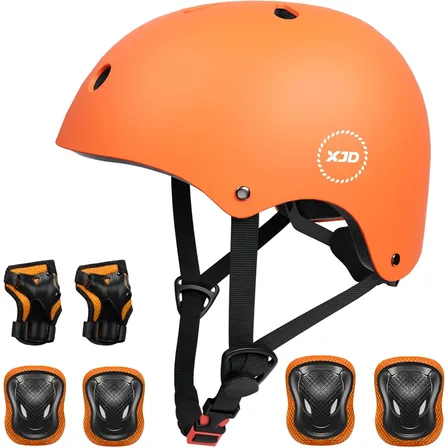
Orange Kids Helmet & Pad Set by XJD – Sizes S & M
The Orange XJD Kids Helmet & Pad Set is built for children around 3 to 8 years o…$24.64
-

XJD Pink Beach Cruiser for Girls – Rear Rack & V-Brake
The XJD Pink Beach Cruiser for girls is the step-up bike for riders who've outgr…$179.99
$209.99 -
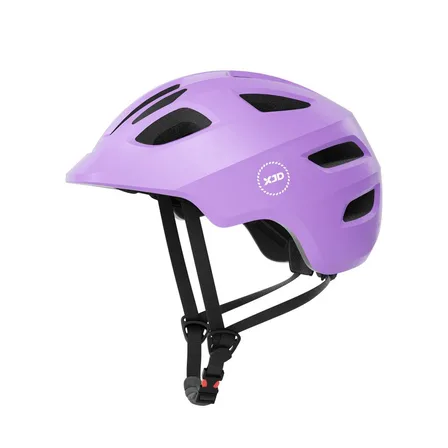
Girls' Bike Helmet from XJD – Purple
The XJD kids bike helmet in purple is a multi-sport helmet built for toddlers an…$59.99
$49