

Beach Cruiser Railway Crossing: Choose a Legal Crossing and a Manageable Route
A beach cruiser railway crossing belongs in route planning before a family ride. Use a designated legal crossing, follow its signs and signals, and choose another route when the arrangement exceeds the rider’s ability or adult supervision available. This guide does not establish that a child is ready for roads or rail interfaces. It helps an adult decide whether the planned outing should include that crossing at all.
Assess the beach cruiser railway crossing before departure
Check the exact route, the type of crossing and the railway operator’s current public guidance. A road level crossing, a tramway and a dedicated pedestrian crossing are not interchangeable layouts. Use only the access intended for the public; do not seek a shortcut alongside tracks or through a gap in a fence. If the route cannot be understood in advance, choose an outing without that crossing rather than making it an improvised lesson.

Treat rails and their gaps as a distinct surface issue
Rails and the channels beside them can present a wheel-control problem, especially at a shallow crossing angle or when wet. A wide-looking tire does not remove that issue. Do not add speed, a sharp last-minute turn or a hopping task to compensate. The line available must also remain legal and clear of other users. Where an appropriate line is not available, use a suitable alternative route rather than forcing the riding maneuver.
Plan any walking transition before entering the crossing
Follow local signs, including instructions to dismount where they apply. Decide who manages the bicycle and who supervises the child before approaching the rail area; avoid changing roles on the tracks. A walking transition must still use permitted access and obey the crossing’s operating rules. If one adult cannot supervise and handle the equipment adequately, arrange another route or appropriate help before departure, not after reaching the entrance.
Keep signals and exit space central to the decision
Never enter against an operating warning, closure or instruction, and do not move around a closed barrier. Follow the operator’s procedure for that exact crossing. Avoid an approach that leaves the family waiting within the rail area or unable to continue through the designated exit. If uncertainty appears before entry, stay outside the crossing and choose a safe alternative. Do not use quiet surroundings as permission to ignore its controls.
Keep the bicycle’s equipment claims in perspective
The Mint Green XJD cruiser lists gears, a rear rack and V-brakes. Those details describe the bicycle; they do not certify rail-gap clearance or a child’s traffic judgment. Keep luggage and accessories secured through their approved arrangements and check normal control before any outing. Practice mounting, stopping and walking with a bicycle in an appropriate traffic-free area, separate from live rail operations. A crossing is a route constraint, not a skills course.
Model details relevant to this task
Public crossing rules differ by location and operator. The linked cruiser is a current product example, not a recommendation for rail-area riding. No tire dimension, angle or equipment change is offered as a way to make an unsuitable crossing acceptable; use current local guidance and choose another route when needed. The linked model details are available for XJD Kids Beach Cruiser Bicycle, Rear Rack & V-Brakes, Mint Green.
Quick checklist
- Identify the designated public crossing.
- Read current local operating guidance.
- Plan supervision before approaching.
- Obey warnings and barriers.
- Choose another route when uncertain.
Common questions
Can a wider cruiser tire make every rail gap manageable?
No. Tire appearance does not establish clearance, traction or an appropriate legal crossing line.
Does dismounting remove the need to follow signals?
No. Walking still requires designated access and compliance with the crossing’s operating instructions.
Should a child practice crossing tracks to gain confidence?
Use an appropriate traffic-free practice area for bicycle skills. Do not treat active rail infrastructure as a training course.
Related collections
The cruiser equipment layouts and family bicycle configuration choices provide further model details. Check the exact selected configuration when planning fit, handling and care.
Before the next outing
Plan a beach cruiser railway crossing through legal access, local operating guidance and manageable supervision. When those requirements do not align, change the route before the family reaches the crossing.
Bikes for your next adventure
-
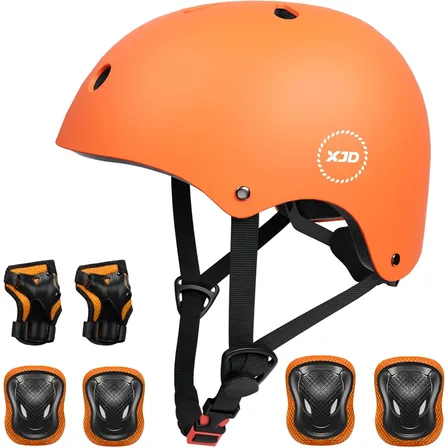
Orange Kids Helmet & Pad Set by XJD – Sizes S & M
The Orange XJD Kids Helmet & Pad Set is built for children around 3 to 8 years o…$24.64
-

Kids Bike Helmet by XJD for Boys & Girls – Black, Blue, Green, Pink, Purple
The XJD Kids Bike Helmet covers a wide 2-to-8-year age range thanks to two head-…$59.99
-

Kids Bike Helmet by XJD for Girls – Pink
The XJD Kids Bike Helmet in Pink is a lightweight multi-sport helmet for girls r…$59.99
$99