How to Lubricate a Kids Bike Chain Safely
Knowing how to lubricate a kids bike chain helps reduce noise and corrosion, but more lubricant is not better. Excess oil attracts grit, stains clothing and can migrate to braking surfaces. Start with the bicycle manual and a bicycle-specific product suited to riding conditions. Keep the child away, stabilize the bike and control every moving part during the work.
Inspect before adding lubricant
Look for bent or cracked links, missing rollers, severe rust, unusual slack and chain-guard damage. A lubricant cannot repair wear or a stiff link caused by physical damage. Turn the crank only through the approved method and keep fingers, hair and clothing clear of the chainring and sprockets. Stop for skipping, grinding or a chain that tries to leave its path.
Clean the accessible chain
Wipe surface dirt with a lint-free cloth and use only the cleaner approved for the drivetrain. Avoid flooding guarded areas or spraying toward wheels. Deep cleaning and guard removal may require model-specific service. Let any permitted cleaner evaporate as directed before lubrication; layering oil over packed grit creates an abrasive paste rather than a clean bearing surface.
Apply one controlled drop at a time
Place a small amount on each roller where the inner and outer plates meet, following the lubricant maker's directions. Rotate slowly and deliberately without touching the moving chain. Aerosol overspray is difficult to control around a children's bicycle, so apply away from rims, brake pads, tires, grips and the floor. Never use cooking oil or an unknown household product.
Allow penetration, then wipe
Give the lubricant its specified settling time, then wipe the outside of the chain until it looks nearly dry. Lubrication belongs inside the rollers; a wet exterior mainly holds dust and transfers to hands and clothing. Clean any accidental contact using the brake or tire maker's safe method. Contaminated brake pads may require replacement rather than casual wiping.
Check the entire bicycle afterward
Rotate through several cycles and listen for remaining tight links or guard contact. Confirm the rear wheel is secure and both brakes work normally. Reinstall any approved cover exactly as instructed. An adult should complete a low-speed level-ground test. Noise that persists after correct cleaning may come from wear, alignment, pedals or bearings and deserves diagnosis.
How current product examples clarify the choice
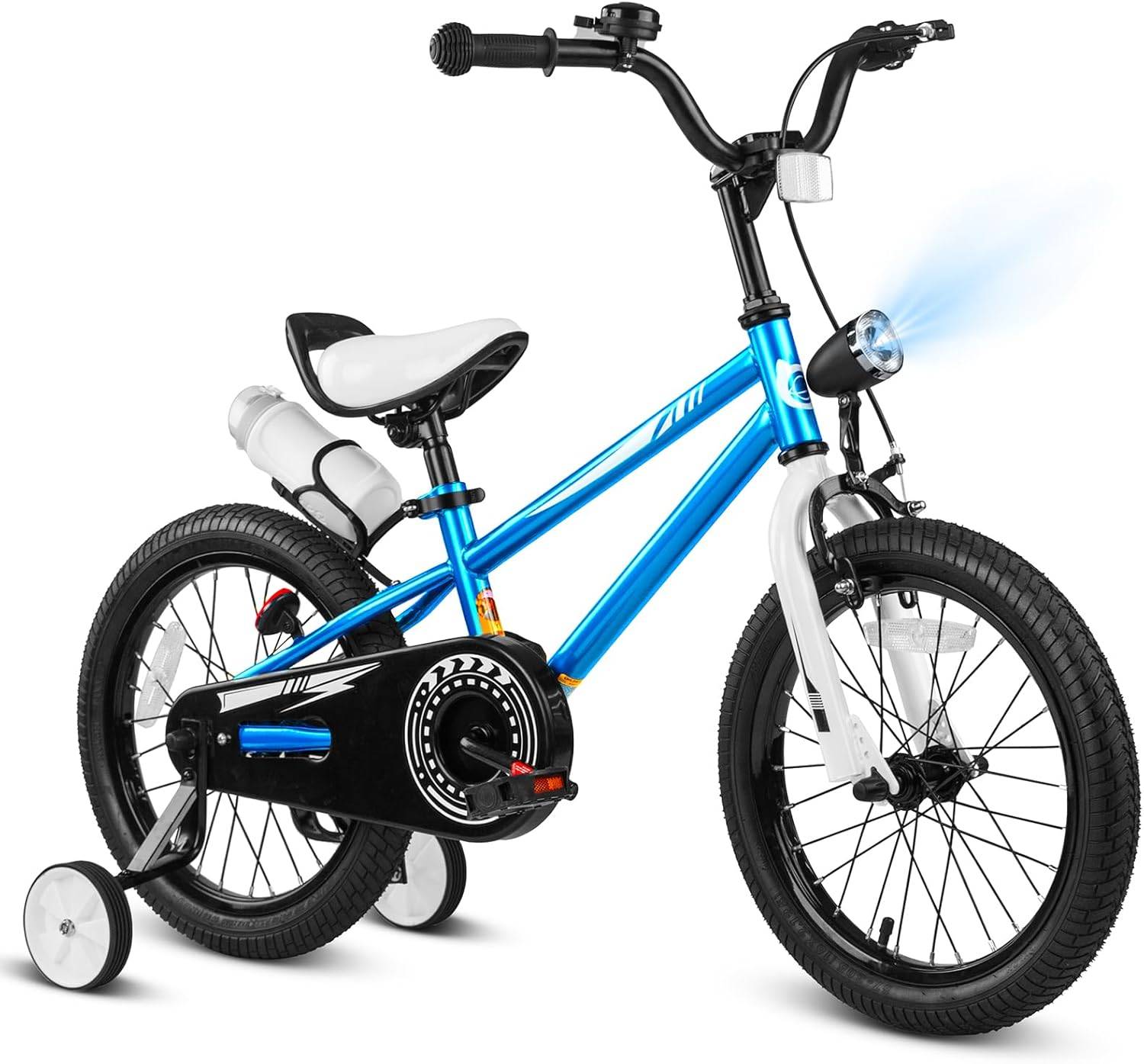
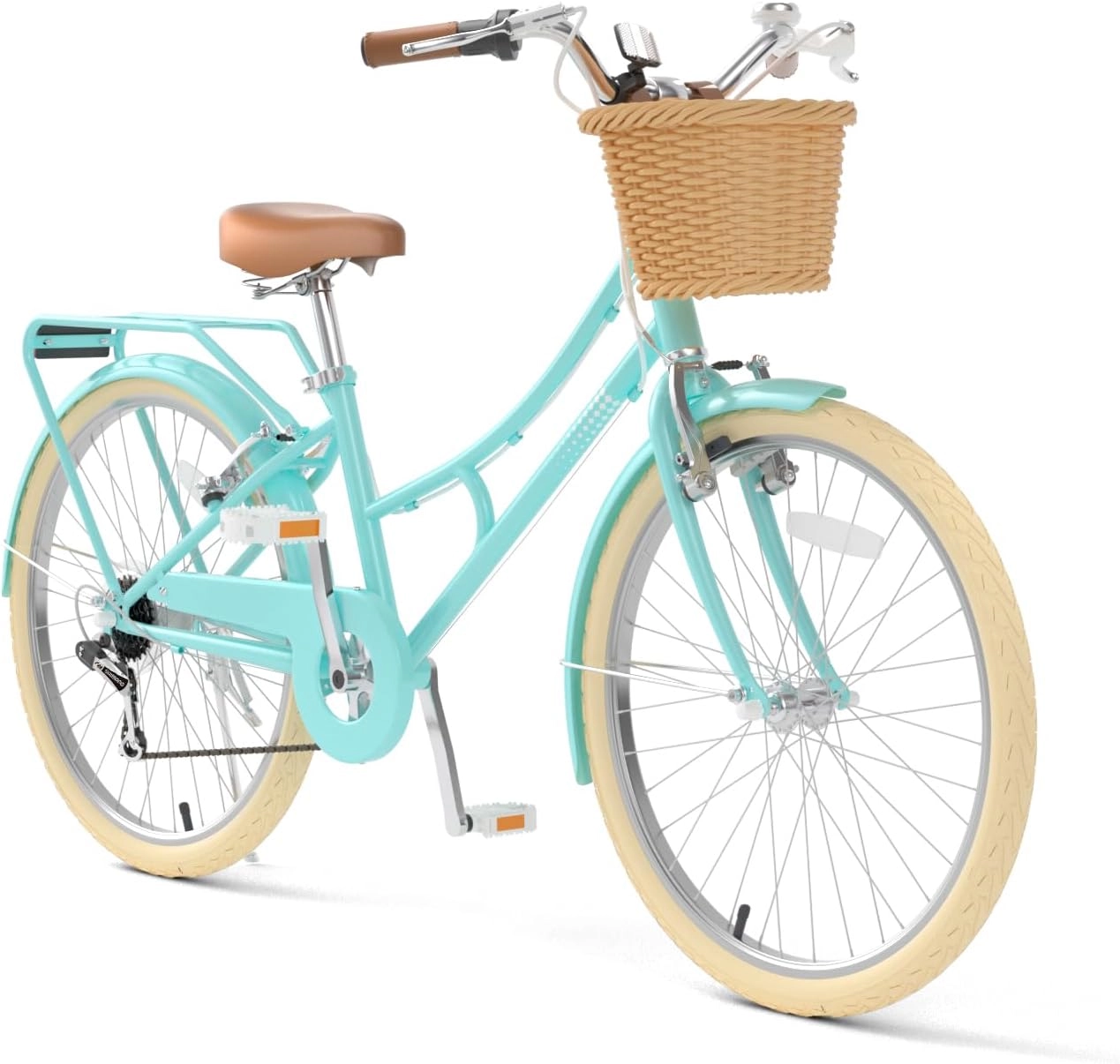
The Blue XJD 12/14/16-Inch Kids Bike uses a guarded single-speed chain, while the Mint Green XJD Geared Beach Cruiser has a multi-sprocket drivetrain. These real configurations explain why access, lubricant placement and inspection differ. Neither bicycle benefits from spraying the entire rear area; controlled application protects its particular brakes and components.
Practical checklist
- Inspect damage before lubricating.
- Clean without flooding the bike.
- Apply sparingly to each roller.
- Wipe the chain exterior afterward.
Frequently asked questions
How often should I lubricate a kids bike chain?
Use condition and manufacturer guidance; clean and relubricate after contamination, wet use or when the specified service interval arrives.
Can chain lubricant ruin bike brakes?
Yes. Oil on rims or pads can reduce braking, so shield those surfaces and address contamination before riding.
Before making the final choice, revisit the exact route or driving area at the time it will normally be used. A setup that works during a quiet test may need more room, visibility or adult support when other people and everyday obstacles are present.
Bottom line
Use the answer to how to lubricate a kids bike chain as a decision process, not a shortcut. Confirm the live product data and manual, match the rider to the controls and setting, and favor repeatable control over a larger size or higher performance label.
Recommended products
-
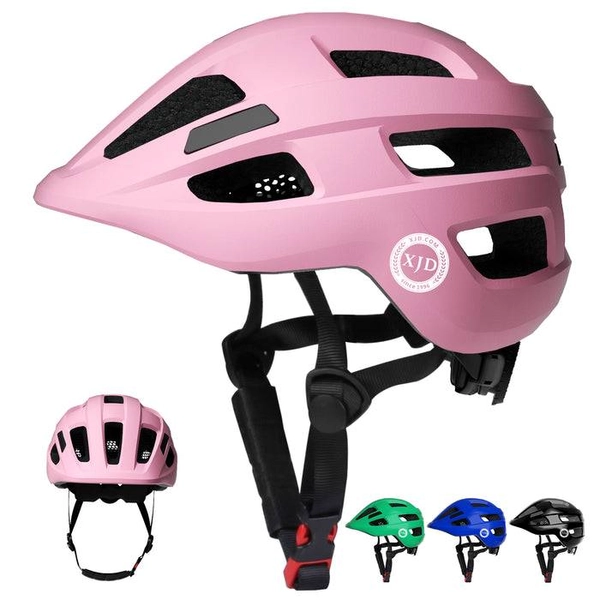
Kids Bike Helmet by XJD for Boys & Girls – Black, Blue, Green, Pink, Purple
The XJD Kids Bike Helmet covers a wide 2-to-8-year age range thanks to two head-…
Bike Helmets Pink / M:20.47"-22.05" / 52-56 cm -
Save 39%
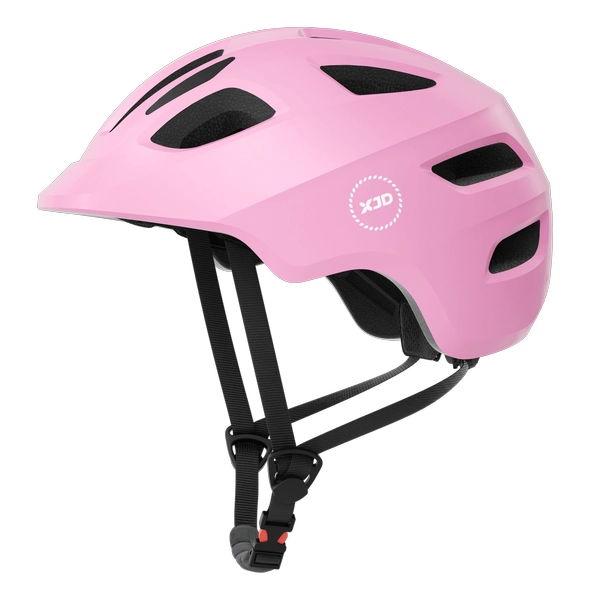
Kids Bike Helmet by XJD for Girls – Pink
The XJD Kids Bike Helmet in Pink is a lightweight multi-sport helmet for girls r…
Bike Helmets Black / S:18.11"-20.08" / 46-51 cm -
Save 12%
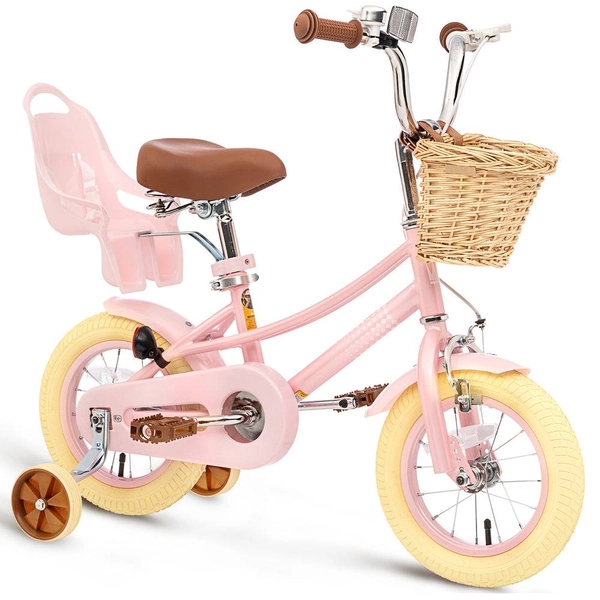
XJD Kids Bike for Girls – Pink, 12/14/16/20 Inch with Training Wheels
The XJD Kids Bike for Girls in Pink is a training-wheel bike built to carry your…
Training Wheel Bikes Wheel Size 12 Inch / 14 Inch / 16 Inch / 20 Inch Recommended Height 86–152 cm Training Wheels Yes 12 Inch -
Save 15%
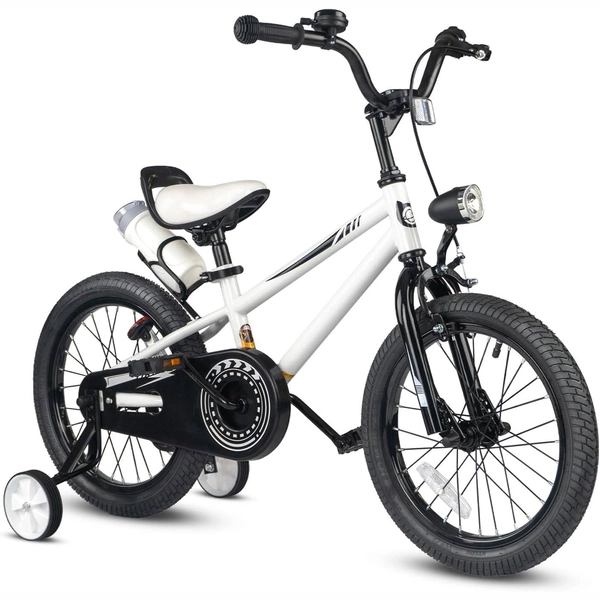
XJD Kids' Training Wheel Bike for Boys & Girls, 12/14/16 Inch – White
The XJD kids' training wheel bike in White is made for riders ages 3–8 (roughly …
Training Wheel Bikes Wheel Size 12 Inch / 14 Inch / 16 Inch Recommended Height 86–122 cm Training Wheels Yes 14 Inch