Kids Bike Wheel Bearing Play: Signs to Check
Kids bike wheel bearing play can affect tracking, braking and wheel security, but not every sideways movement comes from the bearings. A loose wheel attachment, flexible tire, damaged rim or steering headset can create similar sensations. Keep the bicycle parked while an adult checks the exact source with gentle stationary tests and the model's wheel-retention instructions.
Check retention before bearings
Verify that axle nuts or the specified retention system appear complete and correctly positioned without loosening them for diagnosis. Missing hardware, an open lever, a wheel not fully seated or a shifted training-wheel bracket is an immediate stop-use condition. Do not tighten to a guessed value; use the bicycle's sequence and torque or have a technician inspect it.
Use a controlled side-play check
Hold the top of the stationary wheel and apply light alternating side pressure while watching the axle-to-fork or axle-to-frame junction. Notice whether the whole axle moves in its mounting, the rim shifts around a fixed axle or only the tire flexes. Repeat at a second wheel position. Large force can flex normal parts and create a misleading result.
Compare rotation quality
Support and rotate the wheel only as the manual permits, staying clear of spokes and brakes. Listen for grinding and feel for repeated rough spots without placing fingers near moving parts. First rule out pad, fender and tire rub. A bearing may have incorrect adjustment, contamination or damage; adding external oil does not reliably reach or repair the bearing surfaces.
Separate hub play from headset play
For the front wheel, apply the brake and gently rock the complete bicycle while feeling near the headset cups. Movement at the frame and fork differs from rim movement around the hub axle. Brake hardware itself can also shift slightly. Record where the knock occurs rather than replacing parts based only on a sound transmitted through the fork.
Use qualified hub service
Hub designs may use cup-and-cone parts, cartridges or non-serviceable assemblies, each with specific preload, locking and lubrication methods. An over-tight bearing can bind and wear just as an under-tight one can move. After service, verify retention, smooth rotation, rim alignment and both brakes, followed by a brief adult-controlled level-ground test.
How current product examples clarify the choice
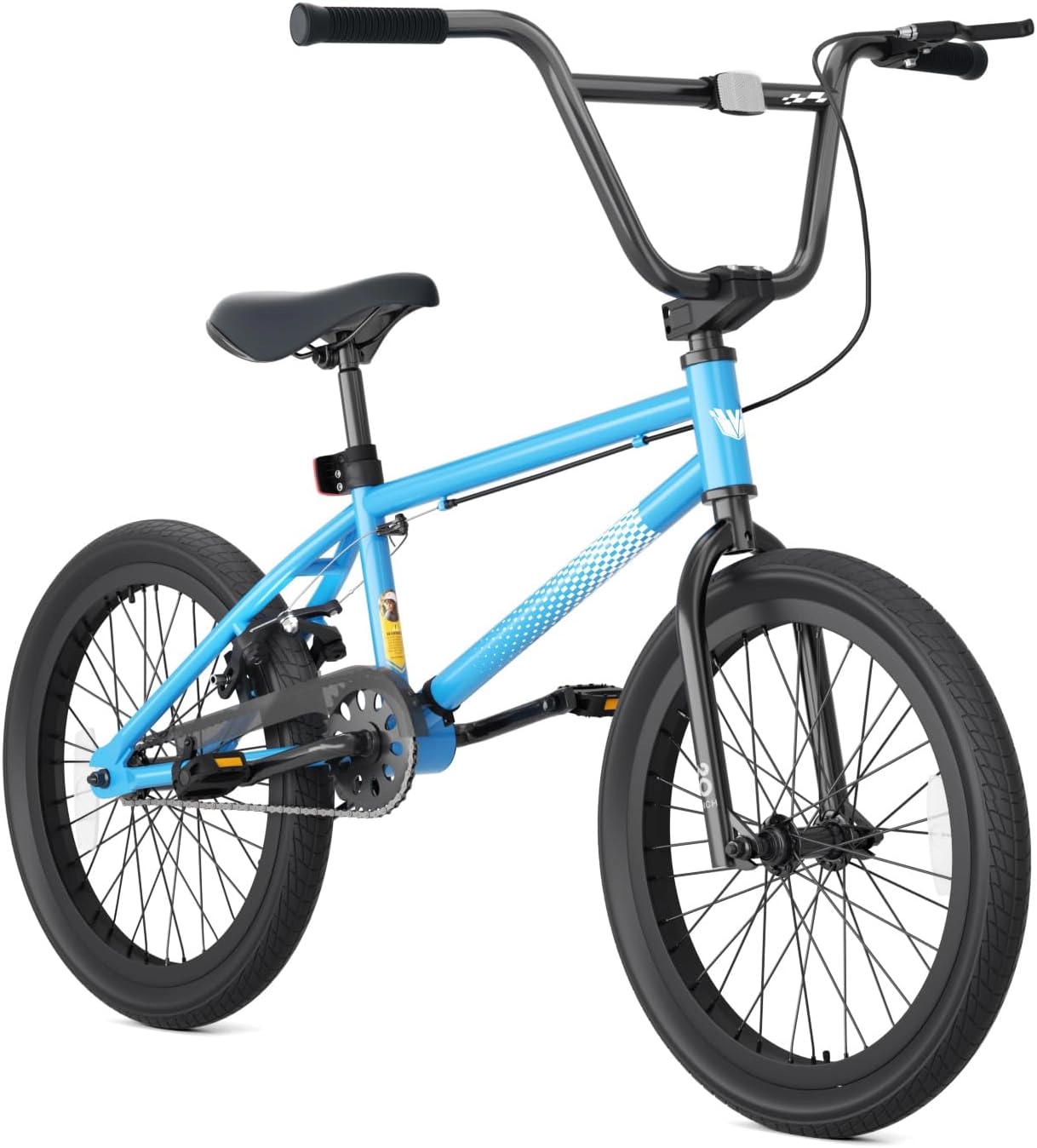
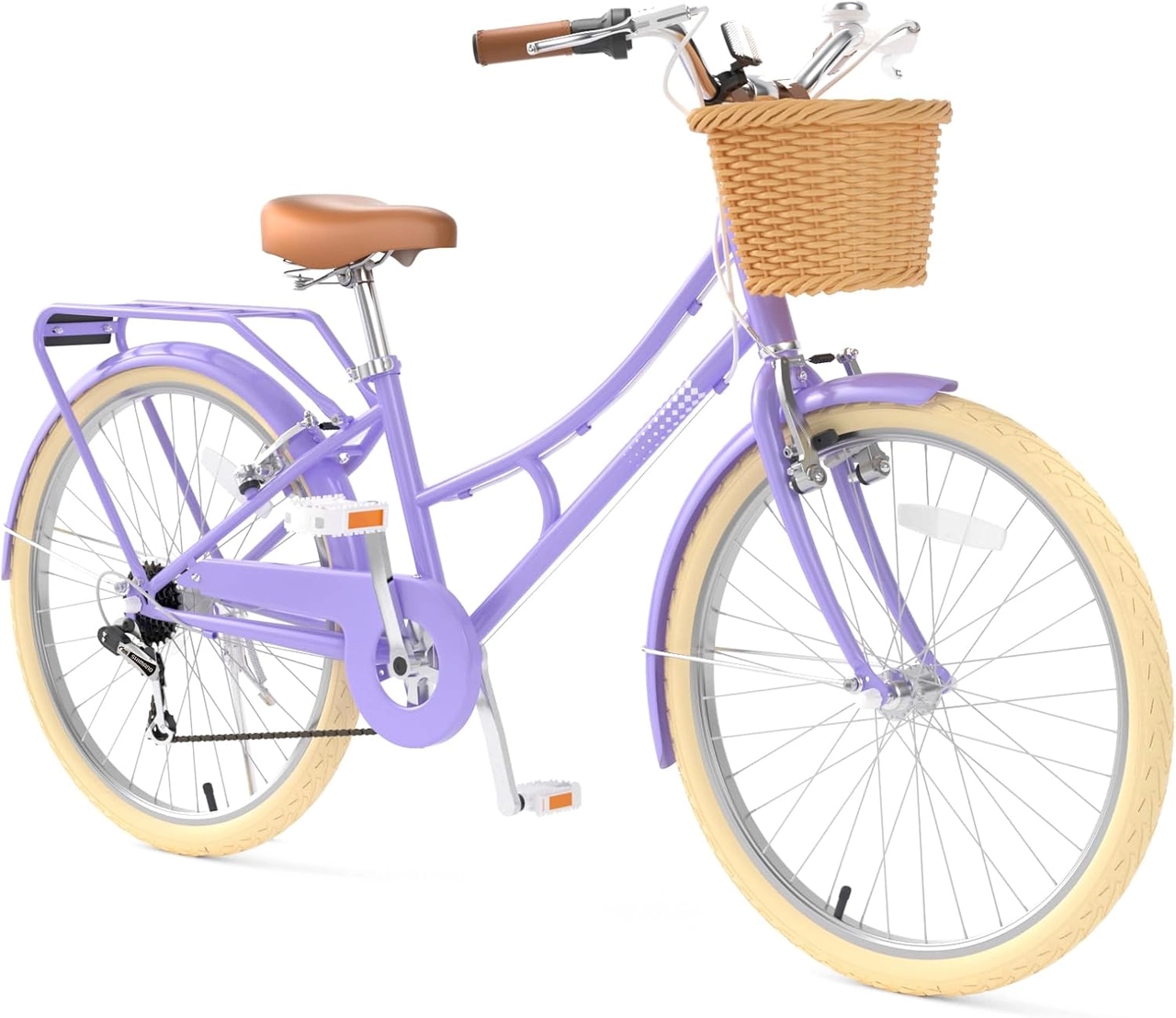
The Blue XJD 20-Inch Freestyle BMX Bike and Purple XJD 24-Inch Beach Cruiser have different wheel sizes, brakes and intended configurations. They illustrate why a parent should identify whether movement is at the axle, hub, rim or headset. A hub adjustment copied from one bicycle is not automatically appropriate for the other.
Practical checklist
- Confirm wheel retention first.
- Use only gentle side pressure.
- Rule out brake and tire rub.
- Match service to the hub design.
Frequently asked questions
Is a little wheel bearing play acceptable on a kids bike?
Do not assume it is normal. Confirm the source and compare with the manufacturer's specification or have a technician assess it.
Can I fix hub play by tightening the axle nuts?
Axle retention and bearing adjustment may be separate. Random tightening can leave bearings bound or the wheel insecure.
Before making the final choice, revisit the exact route or driving area at the time it will normally be used. A setup that works during a quiet test may need more room, visibility or adult support when other people and everyday obstacles are present.
Bottom line
Use the answer to kids bike wheel bearing play as a decision process, not a shortcut. Confirm the live product data and manual, match the rider to the controls and setting, and favor repeatable control over a larger size or higher performance label.
Recommended products
-
Save 12%
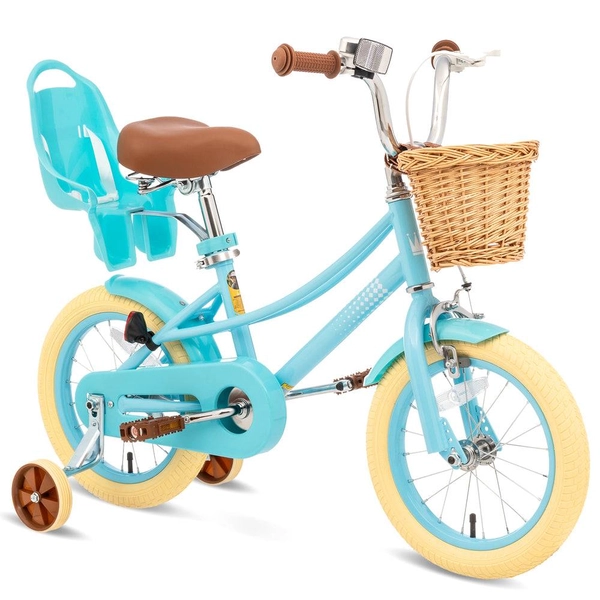
Girls' Training Wheel Bike by XJD, 12–20 Inch Wheels – Blue
This XJD girls' training wheel bike in Blue covers one of the widest fit ranges …
Training Wheel Bikes Wheel Size 12 Inch / 14 Inch / 16 Inch / 20 Inch Recommended Height 86–152 cm Training Wheels Yes 12 Inch -
Save 11%
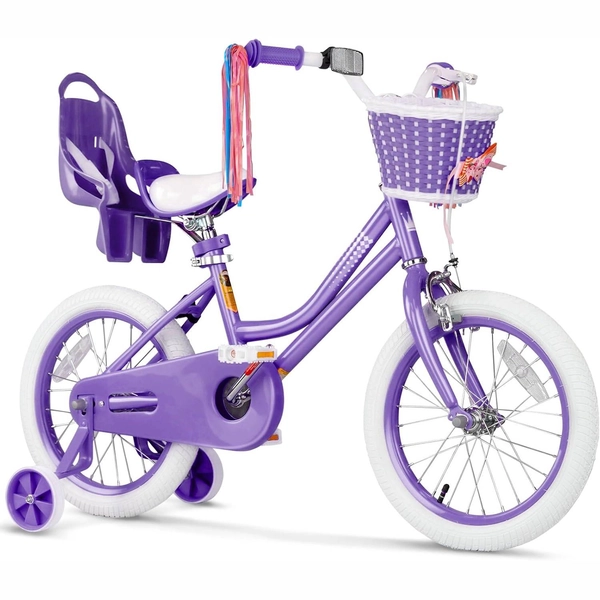
XJD Girls Bike for Kids Ages 3-8, 12/14/16 Inch with Training Wheels – Purple
The XJD Girls Bike in Purple is a training-wheel bicycle for kids ages 3 to 8, f…
Training Wheel Bikes Wheel Size 12 Inch / 14 Inch / 16 Inch Recommended Height 86–122 cm Training Wheels Yes 12 Inch -
Save 11%
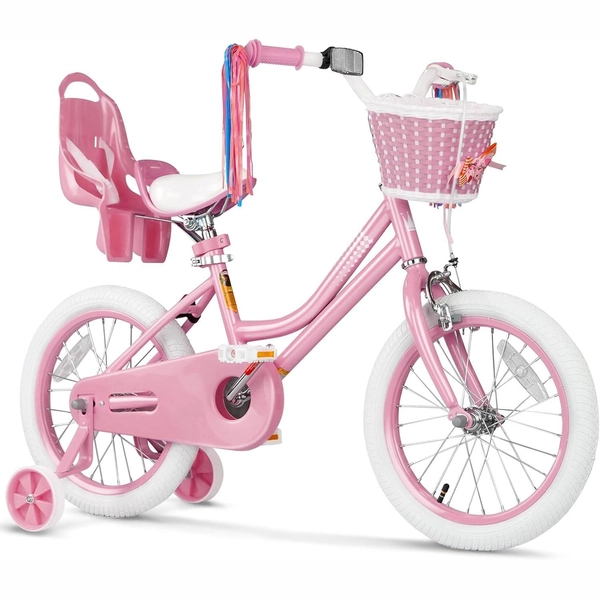
XJD Pink Girls' Bike – Kids 12/14/16 Inch Training Wheel Bicycle
The XJD Pink Girls' Bike is a training-wheel bicycle for girls ages 3 to 8 (ride…
Training Wheel Bikes Wheel Size 12 Inch / 14 Inch / 16 Inch Recommended Height 86–122 cm Training Wheels Yes 14 Inch -
Save 11%
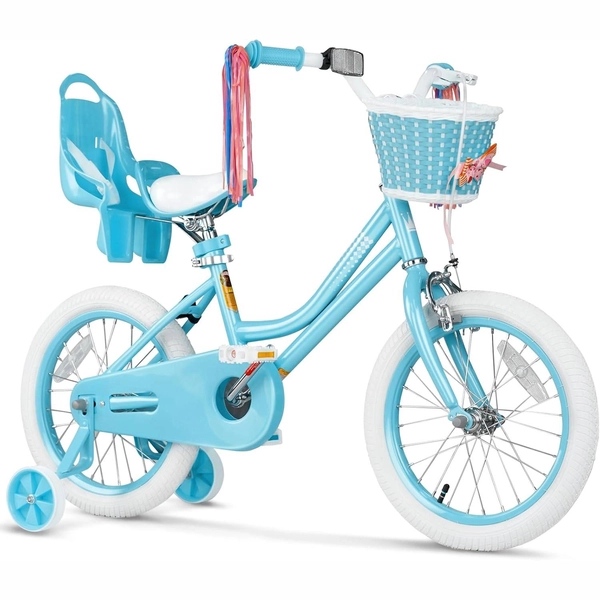
Blue XJD Girls Bike with Training Wheels – 12/14/16 Inch
If you're shopping for a first pedal bike for a daughter roughly 3 to 8 years ol…
Training Wheel Bikes Wheel Size 12 Inch / 14 Inch / 16 Inch Recommended Height 86–122 cm Training Wheels Yes 16 Inch