Kids Bike Brake Pads: When to Replace Them
For kids bike brake pads, when to replace them depends on the exact brake and pad rather than age or mileage alone. Rim-brake blocks may use molded grooves or a wear line, while other systems specify minimum material dimensions. Damage, contamination and poor stopping can require action before the visible wear limit is reached. Brakes are a stop-use component whenever condition is uncertain.
Identify the brake and pad
Read the bicycle and brake markings before inspecting. Side-pull, U-brake and V-brake pads can differ in shape, post, washers and adjustment. A replacement that looks close may not provide the correct contact or hardware. Photograph both sides and obtain the exact compatible part number rather than choosing from wheel size or bicycle color.
Look for the specified wear limit
Use good light to compare each pad with its molded grooves, line or manufacturer dimension. Check both ends because pads can wear at an angle. Do not wait for metal hardware to approach the rim or assume remaining grooves are decorative. If the indicator is unclear, remove nothing and ask a bicycle technician to measure the pads.
Replace damage or contamination sooner
Cracks, chunks missing, hard glazing, embedded metal and oil or lubricant on the friction face can affect braking before thickness is exhausted. Do not sand, soak or heat a pad unless its maker explicitly provides that procedure. Trace contamination to its source so a new pad is not immediately exposed to the same chain spray or cleaner.
Check where the pad contacts
A rim-brake pad should meet its intended braking track without touching the tire or dropping below the rim. Compare left and right timing while an adult operates the lever. A lever reaching the grip, frayed cable, bent arm or worn rim is not solved by new pads alone. Complete brake condition and alignment must be evaluated together.
Test new pads through the approved process
Installation, washer order, torque and any bedding procedure depend on the brake. After qualified replacement, an adult checks fasteners and wheel clearance, then performs repeated controlled stops at walking speed on dry level ground. The child returns only when both brakes stop smoothly and consistently without rubbing or changing lever travel.
How current product examples clarify the choice
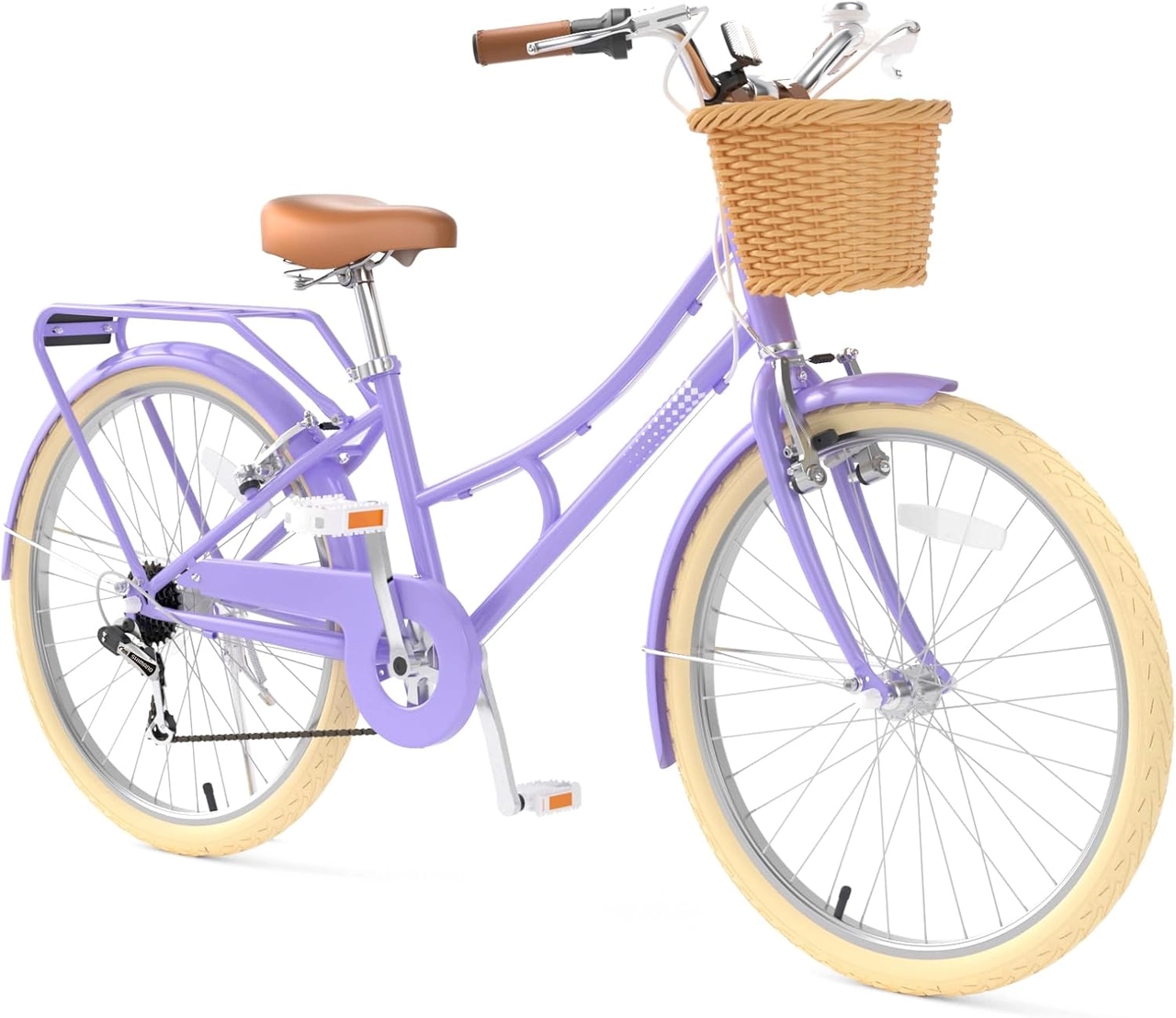
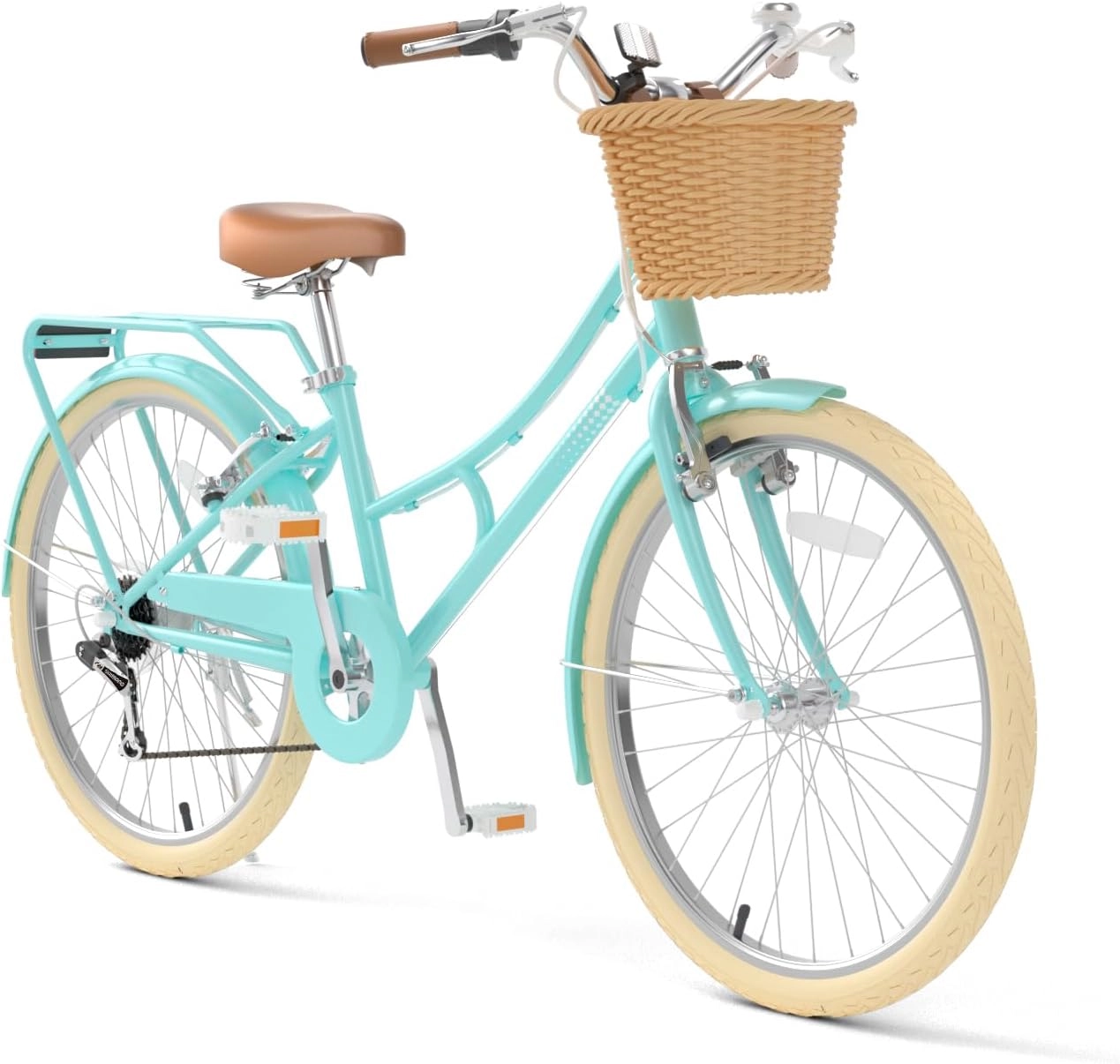
The Purple XJD 24-Inch Beach Cruiser uses U-brakes, while the Mint Green XJD Geared Beach Cruiser uses V-brakes across its listed size options. They are helpful current comparisons because both use rim contact yet may require different pad shapes, hardware and alignment. The selected bicycle's brake specification—not the cruiser label—controls replacement.
Practical checklist
- Identify the exact brake before buying pads.
- Use its stated wear indicator or dimension.
- Resolve contamination at the source.
- Test both brakes at walking speed after service.
Frequently asked questions
Should kids bike brake pads be replaced in pairs?
Follow the brake maker's guidance; matched pads on the same brake are commonly serviced together so material and behavior remain consistent.
Can I keep riding if the brake still works with worn grooves?
Do not exceed the exact wear limit, and stop sooner for damage, contamination, poor contact or unreliable stopping.
Before making the final choice, revisit the exact route or driving area at the time it will normally be used. A setup that works during a quiet test may need more room, visibility or adult support when other people and everyday obstacles are present.
Bottom line
Use the answer to kids bike brake pads as a decision process, not a shortcut. Confirm the live product data and manual, match the rider to the controls and setting, and favor repeatable control over a larger size or higher performance label.
Recommended products
-
Save 11%
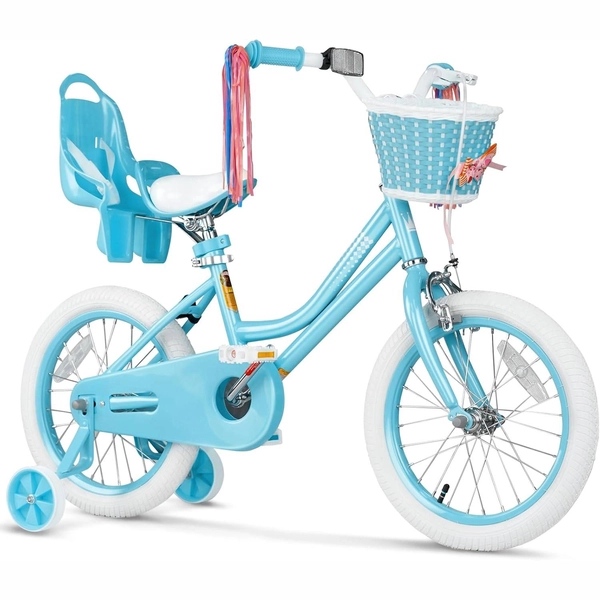
Blue XJD Girls Bike with Training Wheels – 12/14/16 Inch
If you're shopping for a first pedal bike for a daughter roughly 3 to 8 years ol…
Training Wheel Bikes Wheel Size 12 Inch / 14 Inch / 16 Inch Recommended Height 86–122 cm Training Wheels Yes 16 Inch -
Save 12%
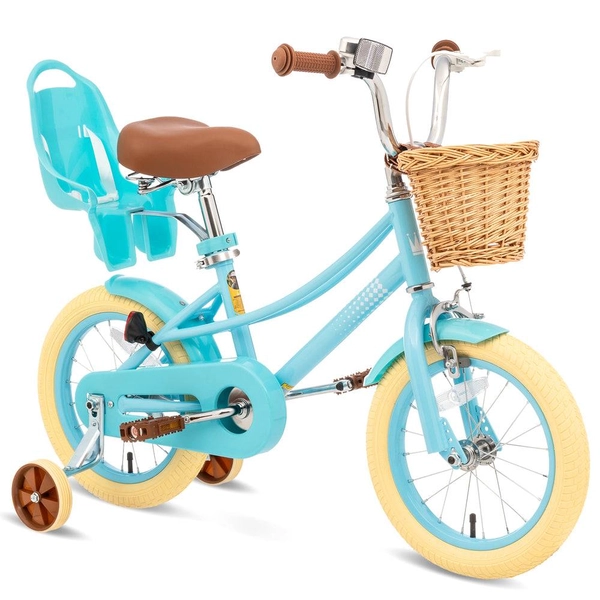
Girls' Training Wheel Bike by XJD, 12–20 Inch Wheels – Blue
This XJD girls' training wheel bike in Blue covers one of the widest fit ranges …
Training Wheel Bikes Wheel Size 12 Inch / 14 Inch / 16 Inch / 20 Inch Recommended Height 86–152 cm Training Wheels Yes 12 Inch -
Save 12%
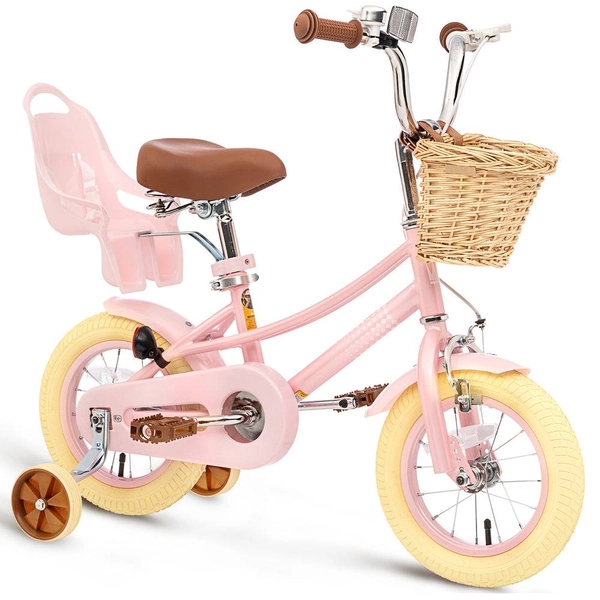
XJD Kids Bike for Girls – Pink, 12/14/16/20 Inch with Training Wheels
The XJD Kids Bike for Girls in Pink is a training-wheel bike built to carry your…
Training Wheel Bikes Wheel Size 12 Inch / 14 Inch / 16 Inch / 20 Inch Recommended Height 86–152 cm Training Wheels Yes 12 Inch -
Save 11%
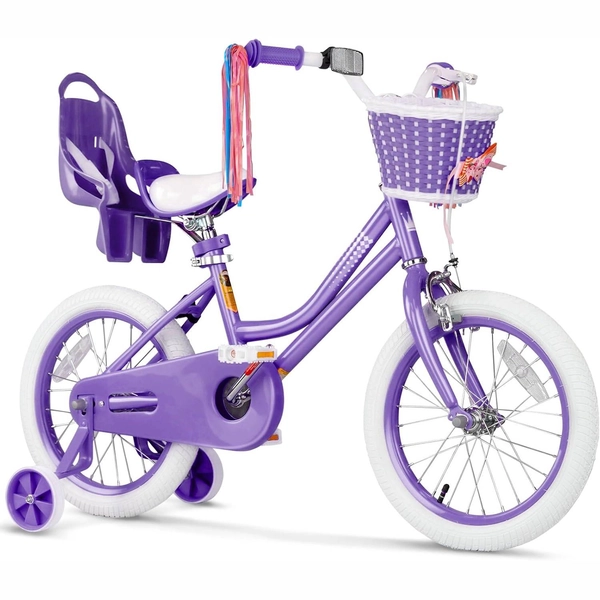
XJD Girls Bike for Kids Ages 3-8, 12/14/16 Inch with Training Wheels – Purple
The XJD Girls Bike in Purple is a training-wheel bicycle for kids ages 3 to 8, f…
Training Wheel Bikes Wheel Size 12 Inch / 14 Inch / 16 Inch Recommended Height 86–122 cm Training Wheels Yes 12 Inch