Kids Bike Rear Wheel Misaligned: What to Check
A kids bike rear wheel misaligned can sit closer to one frame side, make a tire or brake rub, and change chain or gear behavior. The apparent cause may instead be a bent rim, uneven tire or shifted fender. Keep the child off the bicycle while an adult identifies which part is off-center before loosening axle hardware.
Use fixed reference points
Place the bicycle upright on level ground and compare gaps between the tire or rim and frame at several points. Rotate slowly to see whether the gap stays uneven or moves once per revolution. A constant offset suggests seating or frame alignment; a changing offset may indicate tire seating or rim trueness. Stop for cracks or large wobble.
Confirm tire and rim condition
Read pressure with a gauge, inspect the bead seating line on both sides and look for bulges, cuts or debris. A poorly seated tire can look crooked even when the rim is centered. Do not exceed the marked pressure or pry an inflated bead. Rim damage and broken or loose spokes require wheel service.
Check retention and axle position
Compare both axle ends, washers, nuts and any training-wheel or derailleur hardware with the manual. Do not loosen one side casually; wheel position can affect chain tension, brake contact and secure retention. Missing, stripped or bent parts need exact replacements. A torque-controlled reinstallation may be required.
Include drivetrain and brakes
On a single-speed bike, moving the wheel changes chain slack; on a geared bike, derailleur alignment and cassette clearance matter. Check that brakes release evenly and pads contact only the correct surface. Do not remove a guard, alter limit screws or contaminate braking surfaces while chasing an alignment symptom.
Validate the complete repair
After qualified correction, rotate the wheel through multiple revolutions, confirm centered clearance, smooth drivetrain movement and secure retention, then test both brakes. An adult walks and rides the bicycle briefly on level ground. Pulling, recurring rub, axle movement or changing chain tension means service is incomplete.
How current product examples clarify the choice
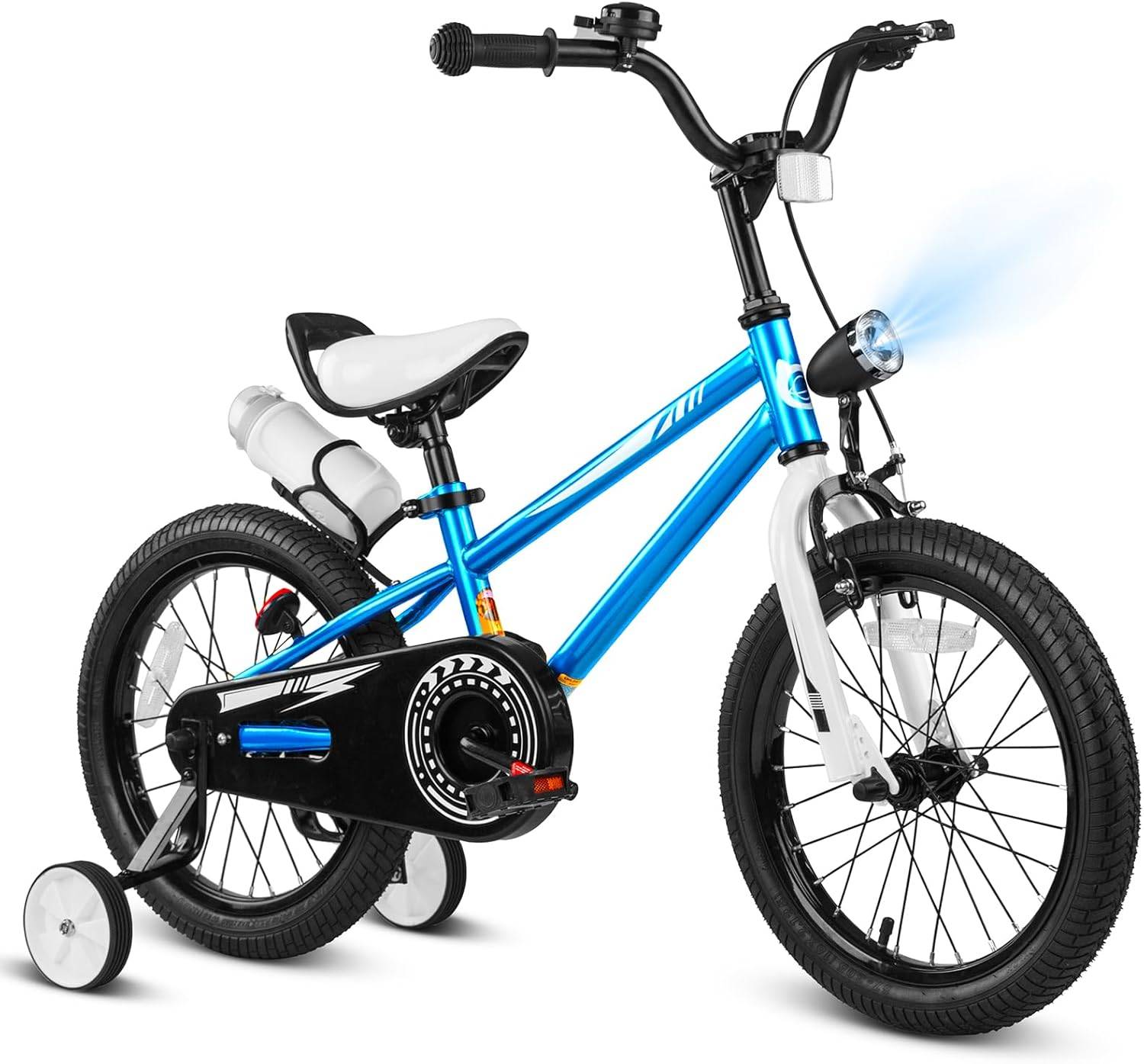
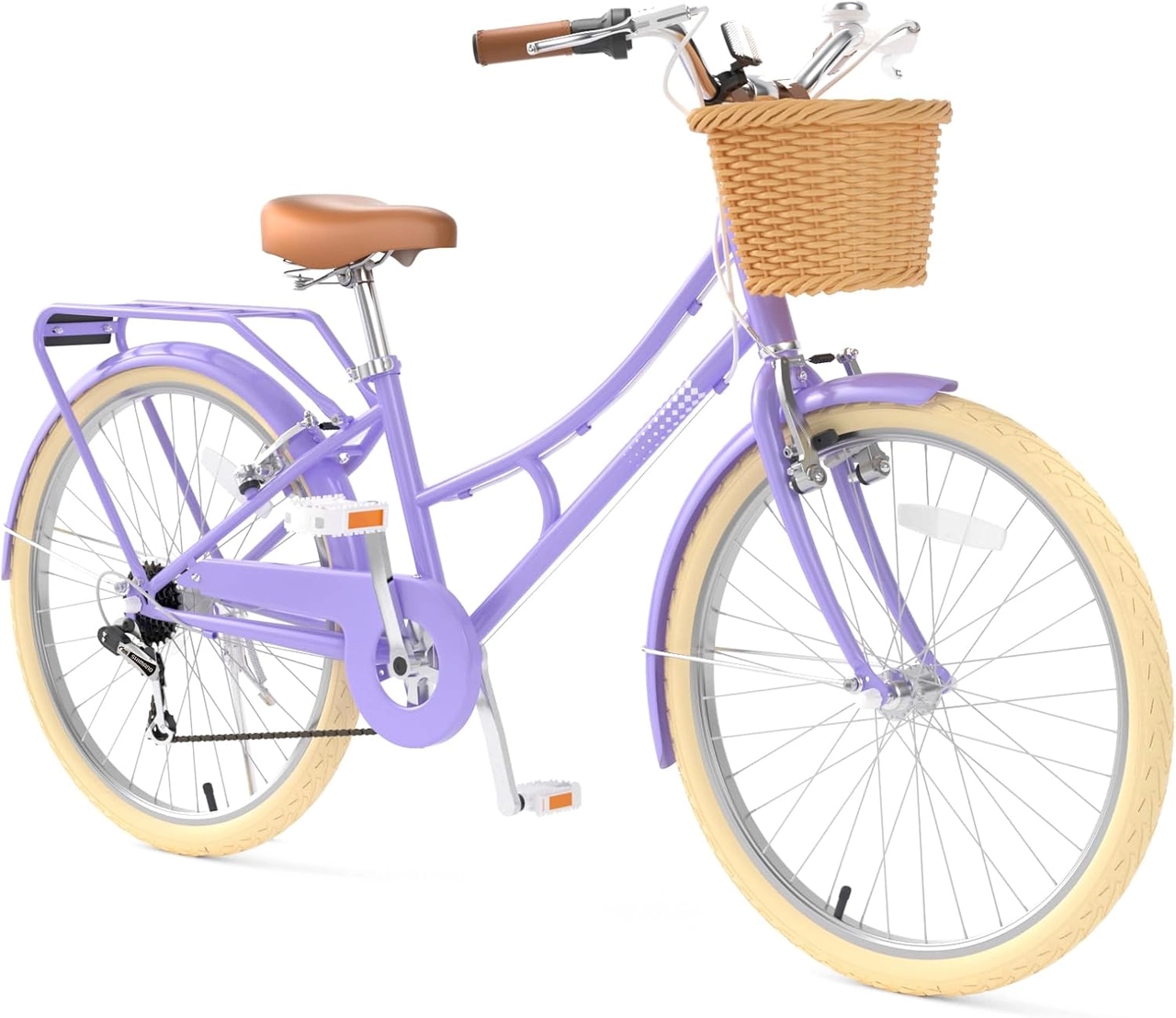
The Blue XJD 12/14/16-Inch Kids Bike has a guarded single-speed layout, while the Purple XJD 24-Inch Beach Cruiser uses a larger cruiser wheel and U-brakes. These examples show why rear-wheel alignment affects different neighboring parts. The correct procedure follows the actual drivetrain, brake and axle hardware.
Practical checklist
- Check whether offset is constant.
- Rule out tire seating and rim wobble.
- Treat axle hardware as safety-critical.
- Recheck drivetrain and brakes.
Frequently asked questions
Can I center a rear wheel by loosening one nut?
Do not adjust by guesswork. Both sides, chain or gears, brakes and final axle torque must be handled together.
Why does the wheel look centered until it spins?
A bent rim, uneven tire seating or tire deformation can create movement that appears only during rotation.
Before making the final choice, revisit the exact route or driving area at the time it will normally be used. A setup that works during a quiet test may need more room, visibility or adult support when other people and everyday obstacles are present.
Bottom line
Use the answer to kids bike rear wheel misaligned as a decision process, not a shortcut. Confirm the live product data and manual, match the rider to the controls and setting, and favor repeatable control over a larger size or higher performance label.
Recommended products
-
Save 11%
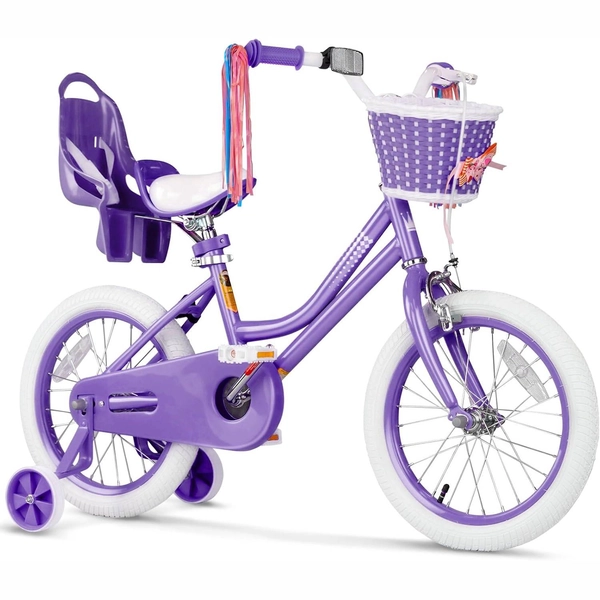
XJD Girls Bike for Kids Ages 3-8, 12/14/16 Inch with Training Wheels – Purple
The XJD Girls Bike in Purple is a training-wheel bicycle for kids ages 3 to 8, f…
Training Wheel Bikes Wheel Size 12 Inch / 14 Inch / 16 Inch Recommended Height 86–122 cm Training Wheels Yes 12 Inch -
Save 11%
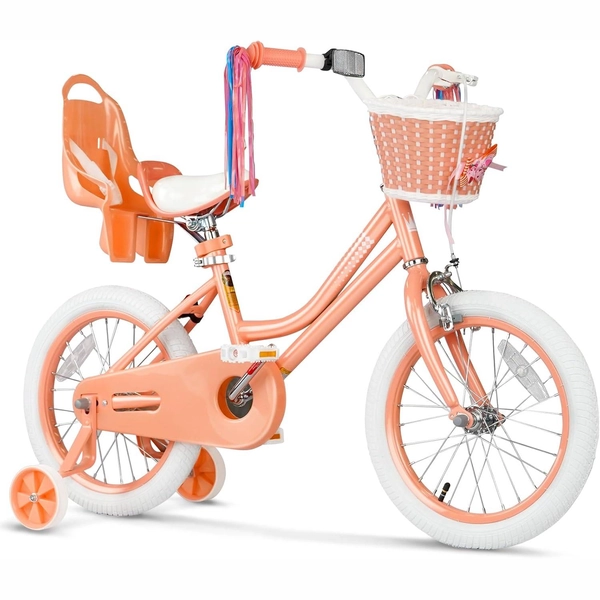
Girls 12/14/16 Inch Kids Bike by XJD with Training Wheels – Peach
The XJD Girls Bike in Peach is a training-wheel bike built for girls roughly 3 t…
Training Wheel Bikes Wheel Size 12 Inch / 14 Inch / 16 Inch Recommended Height 86–122 cm Training Wheels Yes 12 Inch -
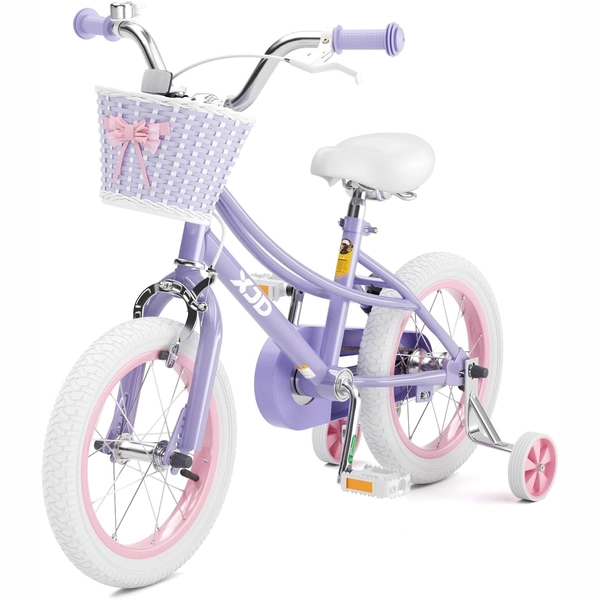
Girls' Training Wheel Bike by XJD with Basket – Purple
If you're shopping for a first bike for a girl roughly 3 to 12 years old (91–152…
Training Wheel Bikes Wheel Size 14 Inch / 16 Inch / 20 Inch Recommended Height 94–152 cm Training Wheels Yes Single Speed 14 Inch -
Save 16%
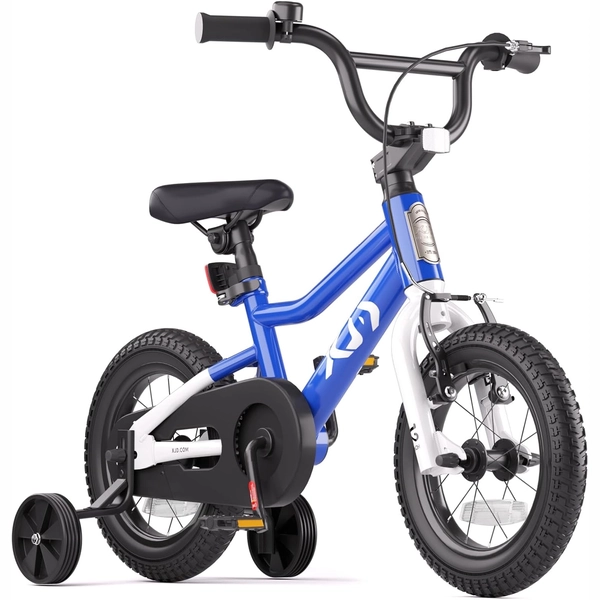
XJD Boys & Girls BMX Bike with Training Wheels, 12/14/16" – Blue
The XJD Boys & Girls BMX Bike in Blue is a first pedal bike for kids roughly age…
Kids' BMX Bikes Wheel Size 12 Inch / 14 Inch / 16 Inch Recommended Height 86–122 cm Training Wheels Yes Single Speed 12 Inch