Kids Bike Tire Bulge: Stop Riding and Inspect
A kids bike tire bulge is a stop-riding warning because it can mean the tire bead is lifting, the casing has separated, a tube is trapped, or the rim is damaged. Do not add pressure to see whether the shape smooths out, and do not let a child ride home on it. Stabilize the bicycle and keep faces and hands away from the bulging area.
Reduce risk before close inspection
If the tire is highly distorted or the bead is rising, move people away and release pressure gradually through the valve only when it is safe and the maker's instructions allow. Do not press, cut, or puncture the bulge. Photograph its position relative to the valve and rim before removing anything, because location can help reveal installation or impact causes.
Compare tread, sidewall and bead
Examine the complete circumference under good light. A tread lump may indicate casing separation; a sidewall bubble can reflect structural failure; a raised section beside the rim may involve bead seating or a trapped tube. Look for exposed threads, cuts, cracks, and a seating line that changes distance from the rim. Any structural damage needs replacement.
Check compatibility and pressure history
Read the full tire and rim size markings, not only the familiar inch label. Confirm the tube size, valve type, and marked pressure range. An incompatible tire, excessive pressure, or a tube caught beneath the bead can produce dangerous distortion. Never force an almost-matching tire onto a rim or exceed pressure during installation.
Inspect rim and mounting causes
After full deflation and only through the approved wheel procedure, check for a bent rim edge, sharp damage, shifted rim tape, debris, or a bead that has been cut by a tool. Screwdrivers can damage tire and tube. A dented or cracked rim and a torn bead require qualified assessment and compatible parts, not glue, tape, or a patch over the outside.
Verify replacement step by step
Install only the exact compatible tire and tube, check that no tube is visible under the bead, and inflate in stages while watching the seating line on both sides. Refit the wheel securely, verify frame and brake clearance, and measure pressure again later. An adult tests at low speed before the child returns. Any new deformation stops use.
How current product examples clarify the choice
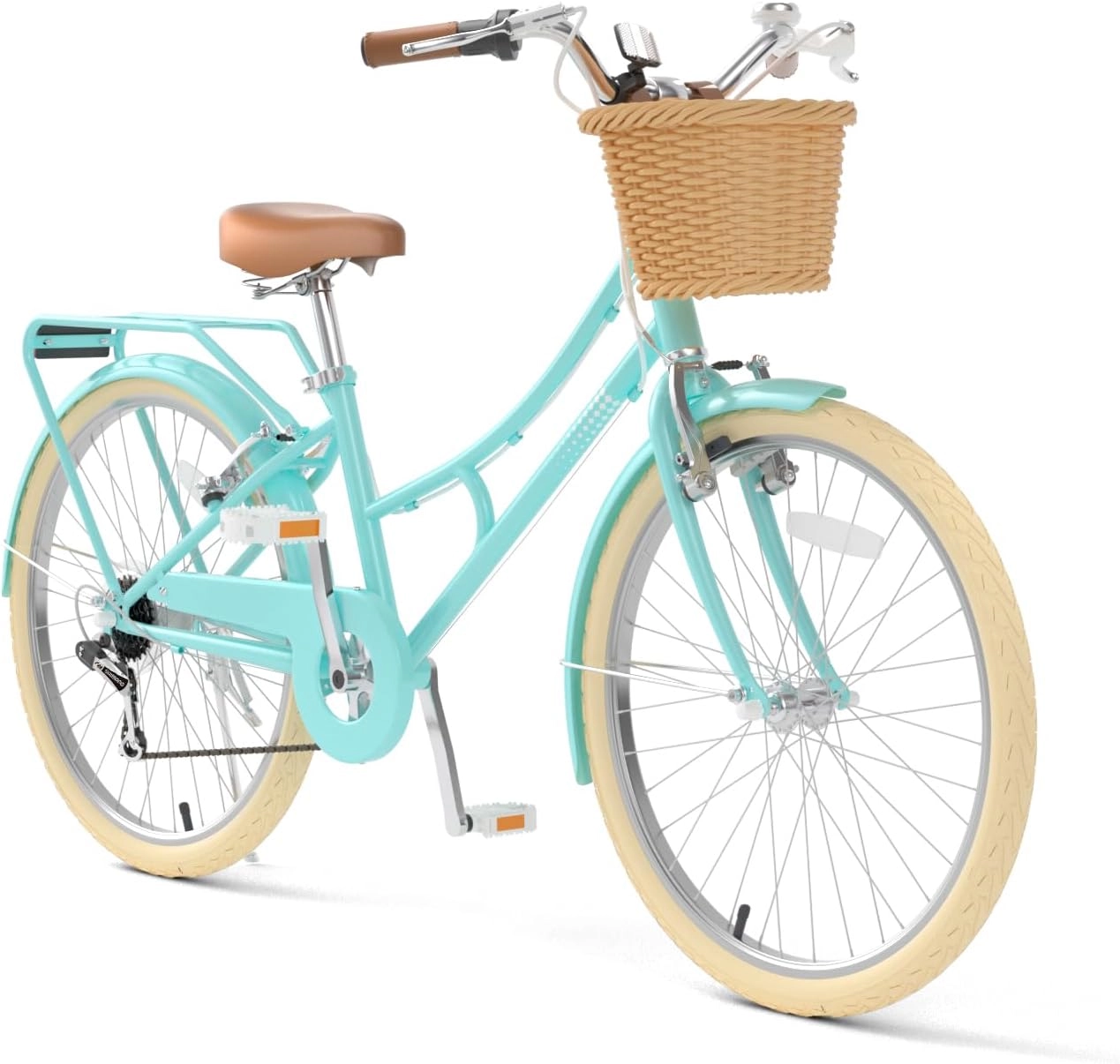
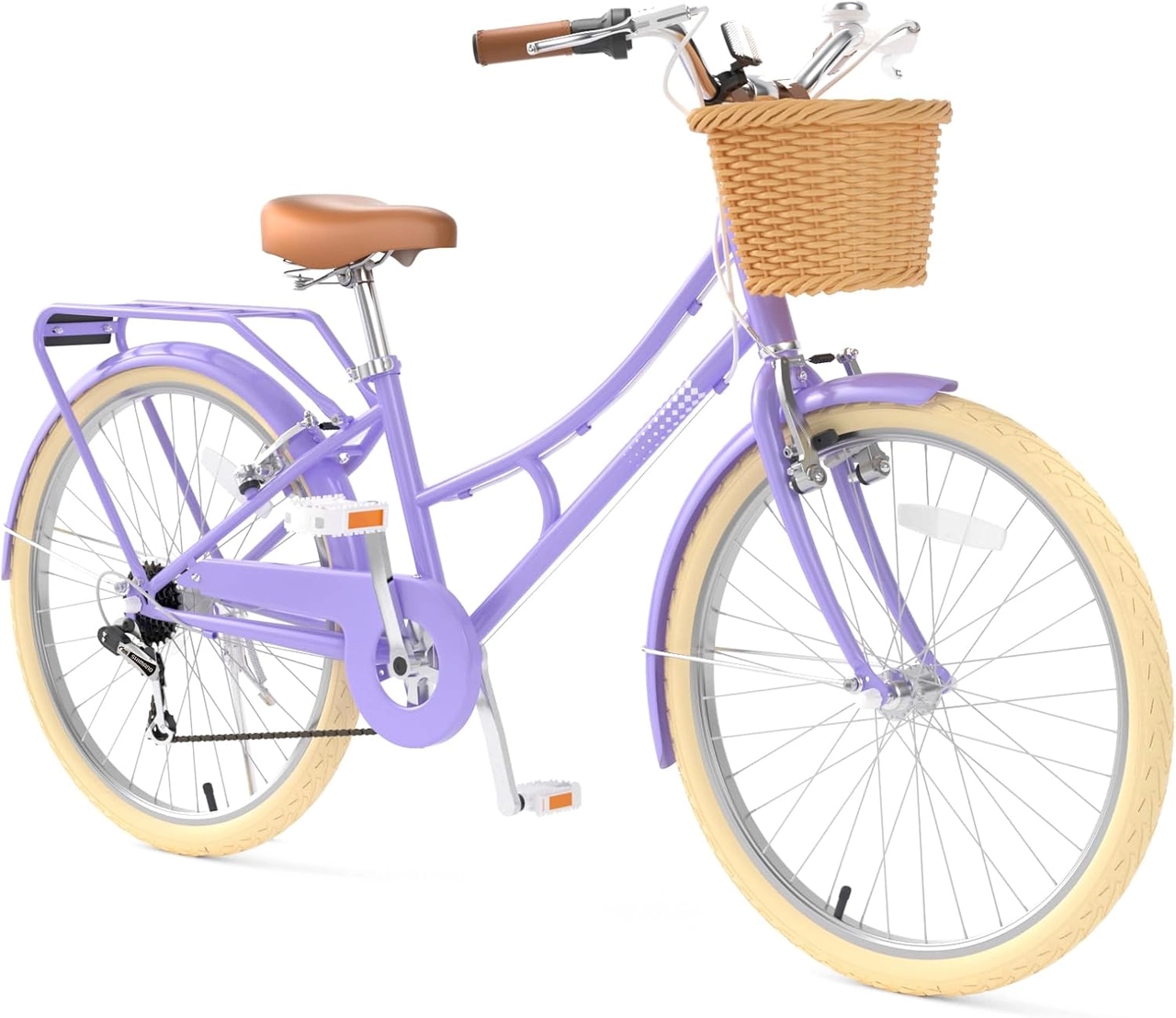
The Mint Green XJD Geared Beach Cruiser and Purple XJD 24-Inch Beach Cruiser use cruiser-style wheels but are different product configurations. They demonstrate why a replacement cannot be chosen from appearance or the broad cruiser label. Match the actual rim, full tire dimensions, brake clearance, and current manual.
Practical checklist
- Keep people clear of the bulge.
- Do not inflate it further.
- Inspect bead, casing, tube, and rim.
- Match complete replacement dimensions.
Frequently asked questions
Can I patch a bulge on a bicycle tire?
No. A patch does not restore a damaged tire casing or bead; replace the tire with a compatible part.
Can too much air cause a bike tire bulge?
Overpressure can contribute, but compatibility, mounting, casing, tube, and rim conditions must all be examined.
Before making the final choice, revisit the exact route or driving area at the time it will normally be used. A setup that works during a quiet test may need more room, visibility or adult support when other people and everyday obstacles are present.
Bottom line
Use the answer to kids bike tire bulge as a decision process, not a shortcut. Confirm the live product data and manual, match the rider to the controls and setting, and favor repeatable control over a larger size or higher performance label.
Recommended products
-
Save 15%
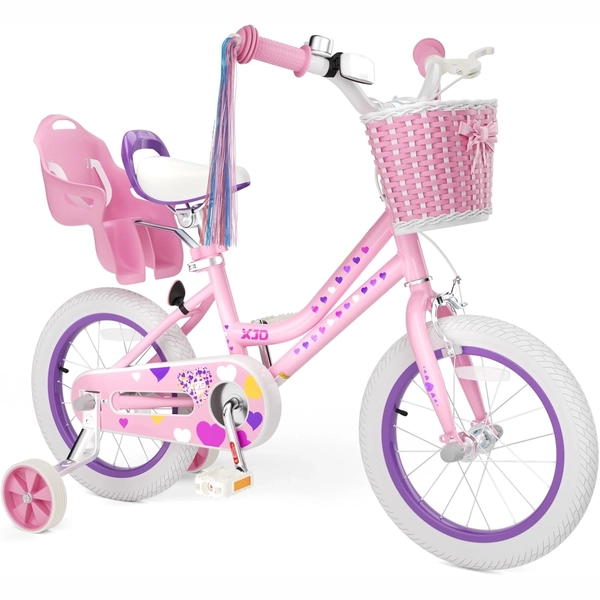
Light Pink XJD Girls' Bicycle with Basket & Training Wheels
The Light Pink XJD Girls' Bicycle with Basket & Training Wheels is a retro-style…
Training Wheel Bikes Wheel Size 12 Inch / 14 Inch / 16 Inch / 20 Inch Recommended Height 86–152 cm Training Wheels Yes Geared 14 Inch -
Save 11%
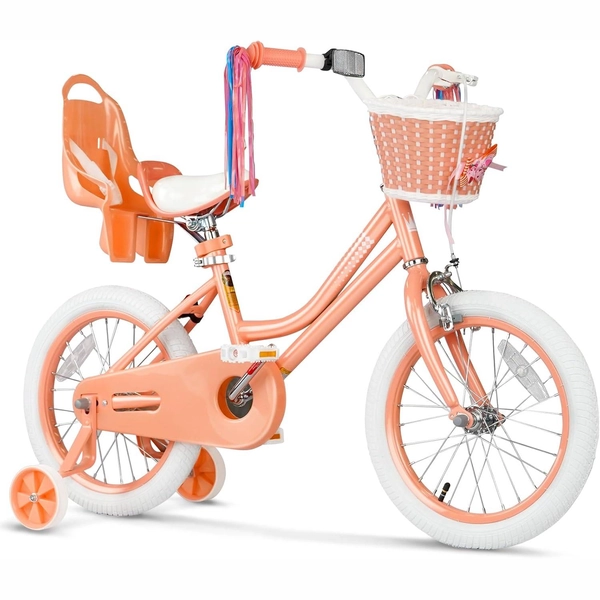
Girls 12/14/16 Inch Kids Bike by XJD with Training Wheels – Peach
The XJD Girls Bike in Peach is a training-wheel bike built for girls roughly 3 t…
Training Wheel Bikes Wheel Size 12 Inch / 14 Inch / 16 Inch Recommended Height 86–122 cm Training Wheels Yes 12 Inch -
Save 11%
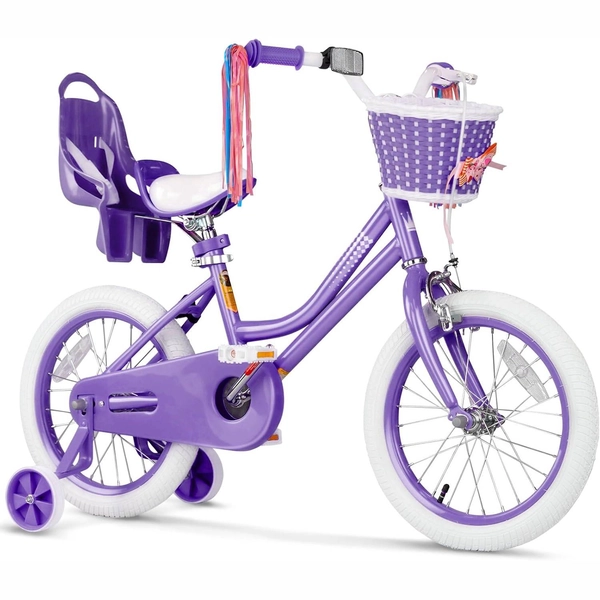
XJD Girls Bike for Kids Ages 3-8, 12/14/16 Inch with Training Wheels – Purple
The XJD Girls Bike in Purple is a training-wheel bicycle for kids ages 3 to 8, f…
Training Wheel Bikes Wheel Size 12 Inch / 14 Inch / 16 Inch Recommended Height 86–122 cm Training Wheels Yes 12 Inch -
Save 12%
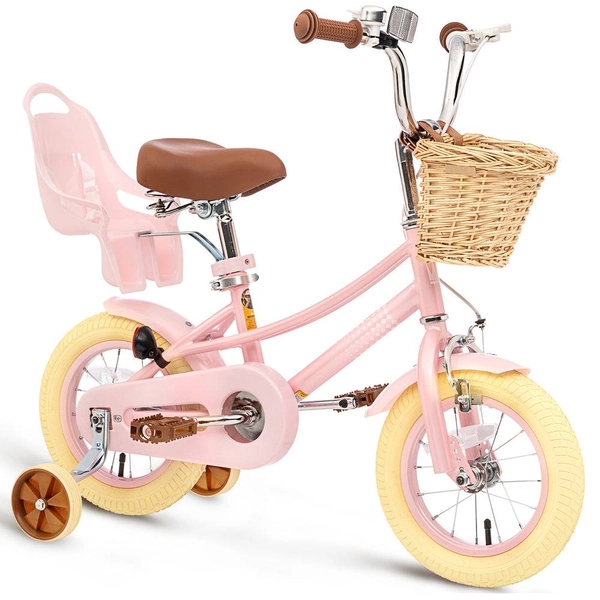
XJD Kids Bike for Girls – Pink, 12/14/16/20 Inch with Training Wheels
The XJD Kids Bike for Girls in Pink is a training-wheel bike built to carry your…
Training Wheel Bikes Wheel Size 12 Inch / 14 Inch / 16 Inch / 20 Inch Recommended Height 86–152 cm Training Wheels Yes 12 Inch