

How should toddler helmet fit
A toddler helmet should sit level, stay in place when the child moves, and feel snug without pressure points. Measure the head first, choose a listed range that contains that measurement, then adjust and recheck the complete fit.
Measure the head before choosing a size
Use a flexible measuring tape around the widest part of the child’s head. Keep the tape level, passing above the eyebrows and around the fullest area at the back. It should touch the head without compressing hair or skin. Record the circumference in centimeters because the supplied helmet ranges use centimeters.
Measure more than once and use the largest consistent result. Do not estimate from age, clothing size, bicycle size, or wording such as “toddler” in a product name. A catalog label helps identify a product, but the child’s actual head measurement determines whether its listed size is relevant.
Compare the measurement with the listed range
The measurement must fall within the helmet’s stated range. The supplied XBikes options provide two comparison bands: 46–51 cm and 52–56 cm. A measurement outside a listed range means that option is not an appropriate match based on the available sizing information.
| Measured circumference | Relevant supplied range | Next decision |
|---|---|---|
| 46–51 cm | 46–51 cm options | Try on and complete the fit checks below. |
| 52–56 cm | 52–56 cm options | Try on a product that explicitly lists this range. |
| Below 46 cm or above 56 cm | None supplied | Look for a helmet whose stated range contains the measurement. |
Being inside a size range is only the screening step. Head shapes differ, and an adjustable helmet can still sit poorly on a particular child. Never select an oversized range merely to leave growing room.
Position and adjust the helmet
Place the helmet level on the head rather than tipped back or pushed forward. It should cover the forehead appropriately while allowing the child to see normally. Follow the exact manufacturer instructions for the internal adjustment system and straps; adjustment methods can differ between products.
Center the buckle and arrange the side straps so they lie flat rather than twisted. Tighten the system until the helmet is comfortably snug. The U.S. Consumer Product Safety Commission advises that a bicycle helmet must fit properly, sit level, and have its straps used according to the manufacturer’s instructions.
Check the fit with the child moving
Ask the child to look up, down, and side to side. Then have them gently shake their head. The helmet should remain level and should not slide into the eyes, expose the forehead by shifting backward, or rotate freely. The straps should stay in position, and the buckle should remain closed.
Remove the helmet after a short indoor trial. Check for discomfort or concentrated pressure rather than assuming resistance is merely fussiness. A secure helmet should be snug, but pain, persistent pinching, or an obvious pressure point suggests that the size or shape is unsuitable. Repeat the entire check whenever straps have been changed.
How the supplied XBikes helmets compare
These particular catalog options help answer the sizing question because their supplied labels show which measured head circumferences can be compared: some cover 46–51 cm, while others also provide a 52–56 cm choice. They narrow the shortlist but do not replace an individual try-on and adjustment check.
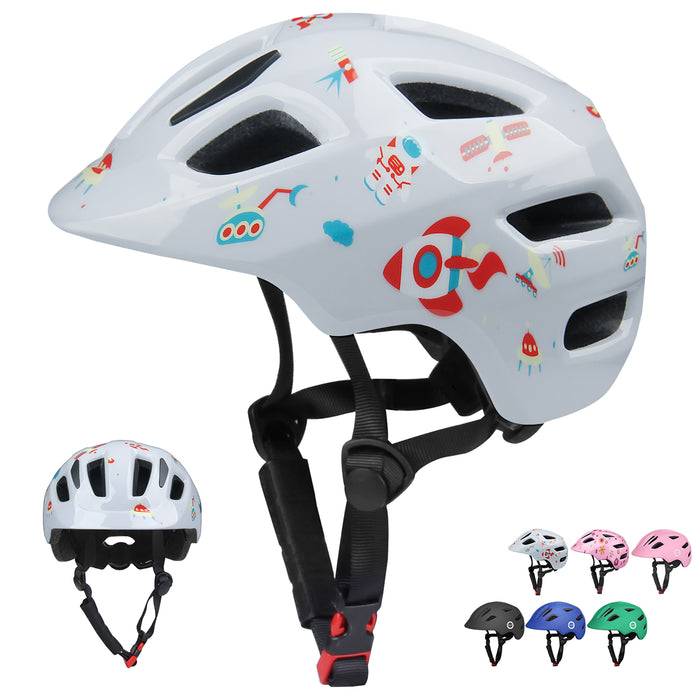 White Astronaut Bike Helmet for Kids by XJD – Toddler to Youth Sizes
Offers two supplied size ranges: S at 46–51 cm and M at 52–56 cm. Compare the child’s measured head circumference with these labels, then verify the complete physical fit.
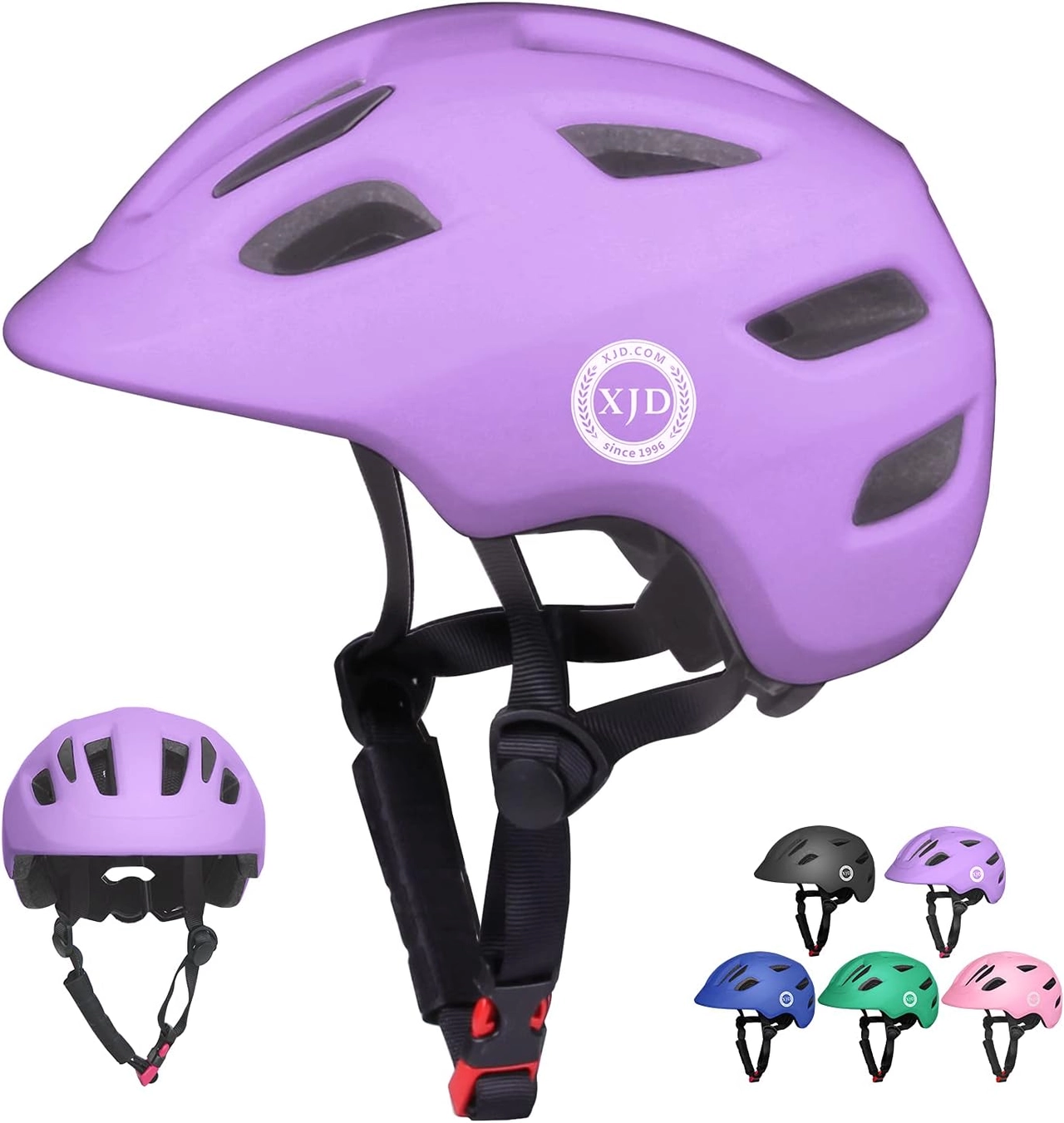 Light Purple XJD Toddler Bike Helmet, Adjustable, Size XS (46–51 cm)
Its exact title identifies an adjustable XS helmet sized 46–51 cm. It is relevant only when the child’s measured circumference falls within that range and the try-on confirms a stable, comfortable fit.
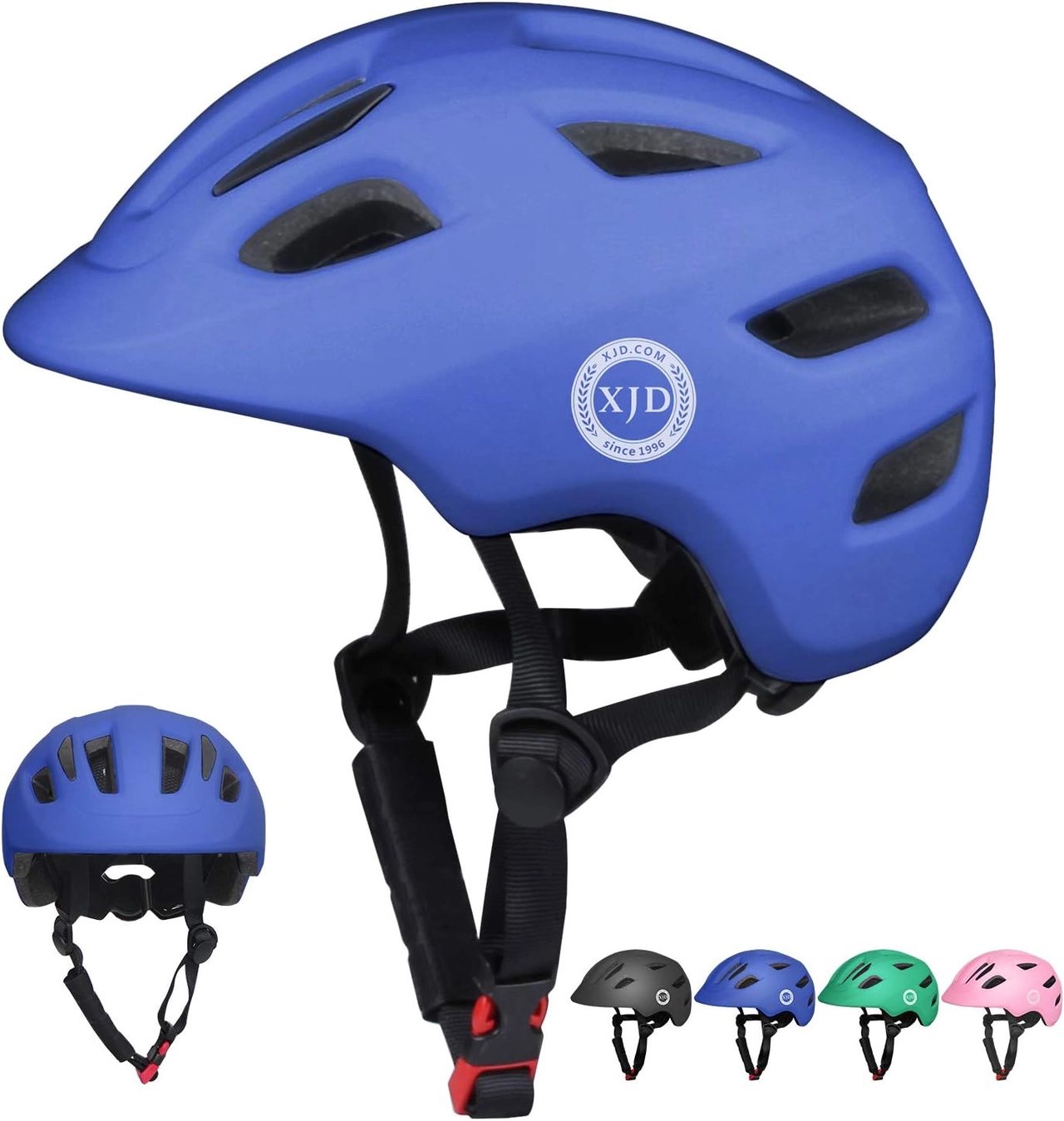 Blue XJD Kids' Bike Helmet, Adjustable Fit – Sizes XS & S
Provides explicit XS 46–51 cm and S 52–56 cm choices. Use the measured circumference to select a range, then confirm that the helmet remains level and stable after adjustment.
White Astronaut Bike Helmet for Kids by XJD – Toddler to Youth Sizes lists S at 18.11–20.08 inches / 46–51 cm and M at 20.47–22.05 inches / 52–56 cm. It is relevant when the measurement falls within either stated band; choose between them by the measured circumference, not the age wording in the title.
Light Purple XJD Toddler Bike Helmet, Adjustable, Size XS (46–51 cm) identifies a 46–51 cm XS size in its exact title. Its available SKU label is “Default,” so confirm that the product selection corresponds to the title and then verify the physical fit.
Blue XJD Kids' Bike Helmet, Adjustable Fit – Sizes XS & S lists XS at 46–51 cm and S at 52–56 cm. Those two explicit choices make it comparable to either supplied measurement band, but neither size is suitable when the child’s measurement is outside its stated range.
Decide whether to keep looking
Reject a helmet if the measurement is outside its range, it cannot remain level, the straps cannot be arranged according to its instructions, or it causes painful pressure. If adjustment is unclear or parts do not operate as the exact product manual describes, stop and consult that manual or a qualified bicycle mechanic.
The final decision is simple: measure the toddler’s head, shortlist only a range containing that number, and keep the helmet only if it stays level, snug, comfortable, and stable through the movement check.
Bikes for your next adventure
-

Kids Bike Helmet by XJD for Boys & Girls – Black, Blue, Green, Pink, Purple
The XJD Kids Bike Helmet covers a wide 2-to-8-year age range thanks to two head-…$59.99
-
White Astronaut Bike Helmet for Kids by XJD – Toddler to Youth Sizes
4 reviews
The XJD White Astronaut kids' bike helmet is made for toddlers through younger e…$59.99
-
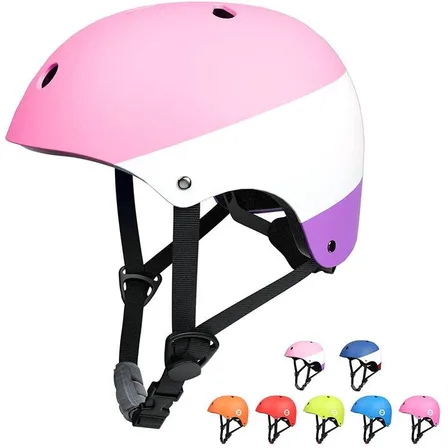
XJD Kids Bike Helmet for Boys & Girls, B White / Pink White
The XJD Kids Bike Helmet covers a wide age range — suggested for ages 2 through …$59.99