

How to choose bike helmet for toddler
Choose a toddler bike helmet by measuring head circumference, matching that measurement to the helmet’s stated range, and confirming a level, stable fit with correctly adjusted straps. Age, appearance, and room to grow should never replace an individual fit check.
Measure the head before comparing helmets
Use a flexible tape measure around the widest part of the child’s head. Keep the tape level, passing above the eyebrows and around the fullest area at the back. It should touch the hair without compressing the head. Record the result in centimeters because the supplied helmet options use centimeter ranges.
Measure two or three times. If the results differ, repeat the measurement rather than rounding toward a convenient size. Thick hairstyles, hats, and bulky accessories can distort the result and should not be treated as part of normal helmet fit.
A toddler’s age, height, bicycle wheel size, or usual clothing size cannot establish helmet size. Head circumference is the useful starting measurement, followed by an actual fitting.
Compare the measurement with the stated range
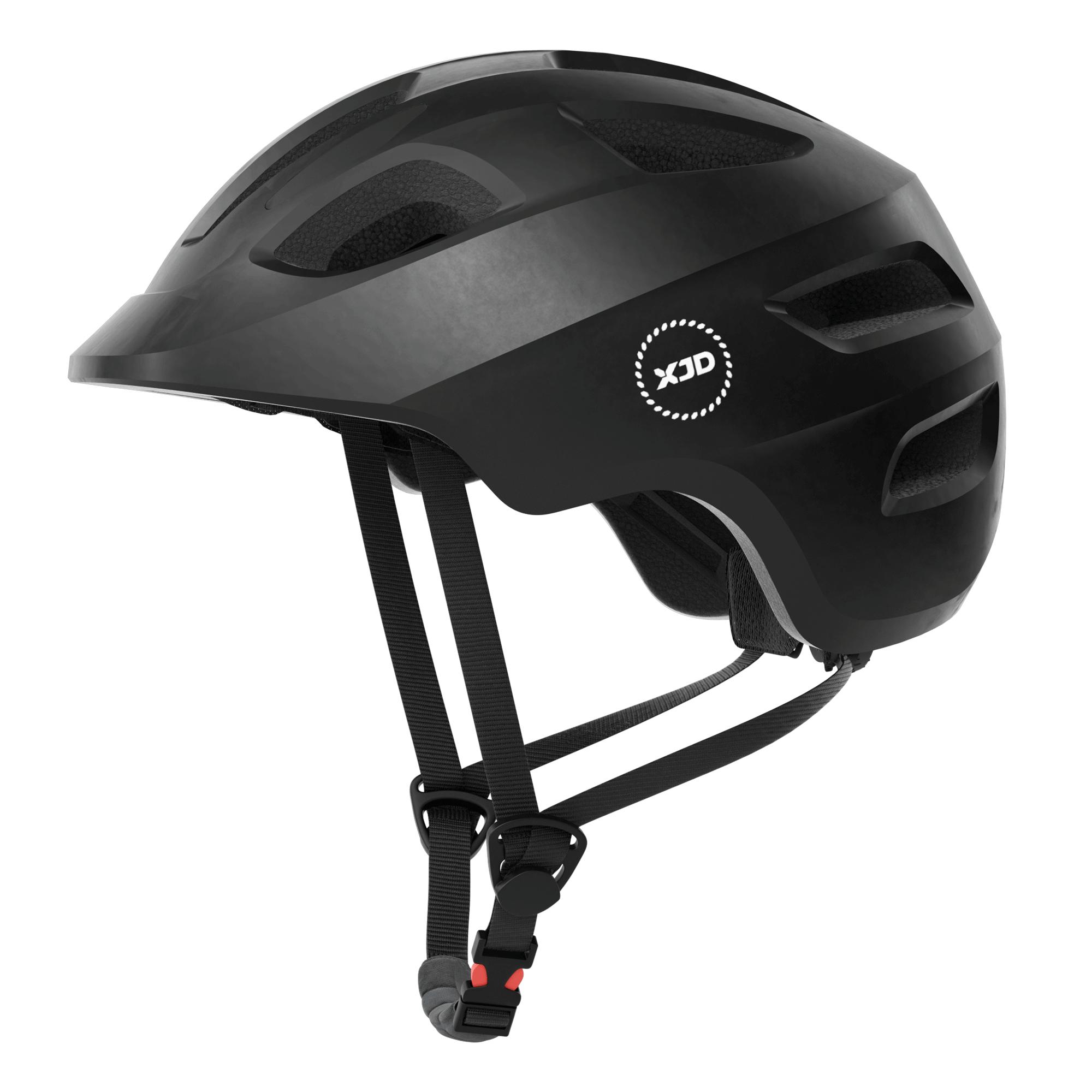
The Kids Multi-Sport Bike Helmet by XJD – Black has supplied size labels for S at 46–51 cm (18.11–20.08 inches) and M at 52–56 cm (20.47–22.05 inches). The catalog also lists black, blue, green, pink, and purple options in both stated sizes.
| Catalog size | Stated head range | What to do |
|---|---|---|
| S | 46–51 cm | Consider it only when the measured circumference falls within this range. |
| M | 52–56 cm | Consider it only when the measured circumference falls within this range. |
| Outside or between ranges | Below 46 cm, above 56 cm, or between the stated ranges | Do not assume either size will fit; look for a helmet with a matching stated range. |
These catalog options help answer the sizing question because they provide exact circumference ranges to compare with the child’s measurement. They are relevant only if the measurement and real-world fit both work; color does not change the listed size range.
Confirm the helmet’s position
Have the child wear the helmet before accepting the size. The U.S. Consumer Product Safety Commission advises that a bicycle helmet must fit properly, sit level, and use its straps according to the manufacturer’s instructions. A helmet tipped far back can leave the forehead exposed, while one tipped forward can interfere with vision.
With the helmet level, check whether it remains stable instead of sliding freely around the head. It should feel secure without creating painful pressure. Ask the child about pinching or discomfort, and inspect the contact points after a few minutes rather than relying on the first reaction.
If the shell position cannot be stabilized within the manufacturer’s adjustment instructions, reject that size or model. Do not modify the helmet, add unofficial padding, or rely on a winter hat to compensate for a poor fit.
Adjust and inspect the straps
Follow the exact product manual when positioning and tightening every strap and adjustment component. The straps should keep the helmet level and secure without causing discomfort or obstructing the child’s breathing or movement. Because adjustment systems differ, the manual—not a generic shortcut—should control the procedure.
After adjustment, have the child look up, down, and side to side. Recheck that the helmet remains level and that straps have not loosened or twisted. If the child can readily shift the helmet out of position, continue only with an adjustment permitted by the manual or try another fit.
Do not buy extra room for growth
An oversized helmet is not a practical way to extend usable life. Even if its adjustment system can be tightened, the underlying size range still needs to match the measured head. The same principle used by the American Academy of Pediatrics for bicycle fit applies to the buying decision: equipment should fit the child now rather than being oversized solely for future growth.
Recheck circumference and fit as the child grows, after a major hairstyle change, or whenever the helmet begins to sit differently. Also follow the manufacturer’s instructions for inspection, care, replacement, and any impact-related guidance. Those details are not present in the supplied catalog facts and should not be guessed.
Make the decision
- Measure the child’s head carefully in centimeters.
- Shortlist only helmets whose stated range includes that measurement.
- Try the helmet on and confirm that it sits level and stable.
- Adjust all straps exactly as the manufacturer directs.
- Reject any option that remains loose, painful, tilted, or outside its stated range.
For the supplied XJD helmet, choose S only for a measured 46–51 cm head or M only for 52–56 cm, then approve the purchase only after the toddler passes the individual position, comfort, and strap checks.
Bikes for your next adventure
-

Kids Bike Helmet by XJD for Boys & Girls – Black, Blue, Green, Pink, Purple
The XJD Kids Bike Helmet covers a wide 2-to-8-year age range thanks to two head-…$59.99
-
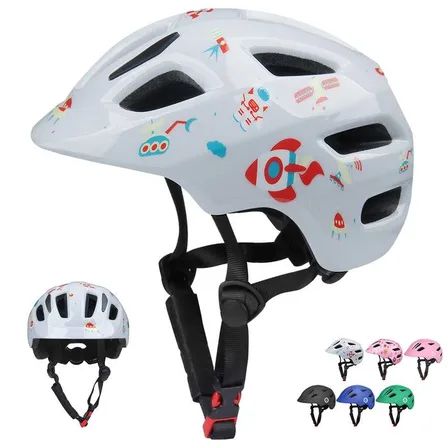
White Astronaut Bike Helmet for Kids by XJD – Toddler to Youth Sizes
4 reviews
The XJD White Astronaut kids' bike helmet is made for toddlers through younger e…$59.99
-
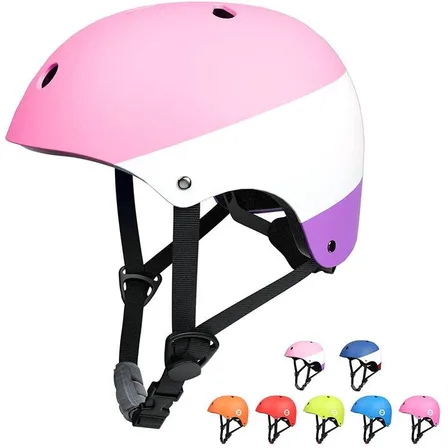
XJD Kids Bike Helmet for Boys & Girls, B White / Pink White
The XJD Kids Bike Helmet covers a wide age range — suggested for ages 2 through …$59.99