

How to pick toddler bike helmet
Pick a toddler bike helmet by measuring head circumference, matching that number to the helmet’s stated range, and checking a level, stable fit on the child.
Measure before comparing helmets
Use a flexible measuring tape around the widest part of your toddler’s head. Keep it level, passing above the eyebrows and around the fullest part at the back. Record the result in centimetres and measure again to confirm it.
Shop by that measurement, not by the words toddler, kids, a clothing size, or age alone. Head sizes vary among children of the same age. A helmet range is useful only when the child’s current measurement falls within it and the helmet can then be adjusted to fit properly.
Do not deliberately choose an oversized helmet for future growth. Extra space can let it shift away from the intended position. If a measurement falls close to the boundary between sizes, try the relevant sizes and compare their actual fit rather than guessing.
Check the helmet on your toddler
Place the helmet on the child and follow its manufacturer’s fitting instructions. The U.S. Consumer Product Safety Commission advises that a bicycle helmet must fit properly, sit level, and use its straps as directed by the manufacturer.
- Position: It should sit level rather than tipping back and exposing the forehead or dropping forward over the eyes.
- Stability: After adjustment, it should remain securely positioned during gentle head movement instead of sliding freely.
- Comfort: Look for even contact without an obvious pressure point. Ask the child what feels tight, pinchy, or uncomfortable.
- Straps: Arrange and fasten them exactly as the product instructions show. Check that they are not twisted and that the helmet stays level when secured.
A circumference match is therefore a screening step, not proof of fit. If the helmet cannot remain level and stable without causing discomfort, reject that size or model even when the measurement appears on its label.
Compare the supplied XBikes options
The catalog options help by providing two fully stated circumference ranges and one set with only a stated range for its L label. This makes them useful for measurement-led comparison while also showing why an incomplete size label should never be guessed.
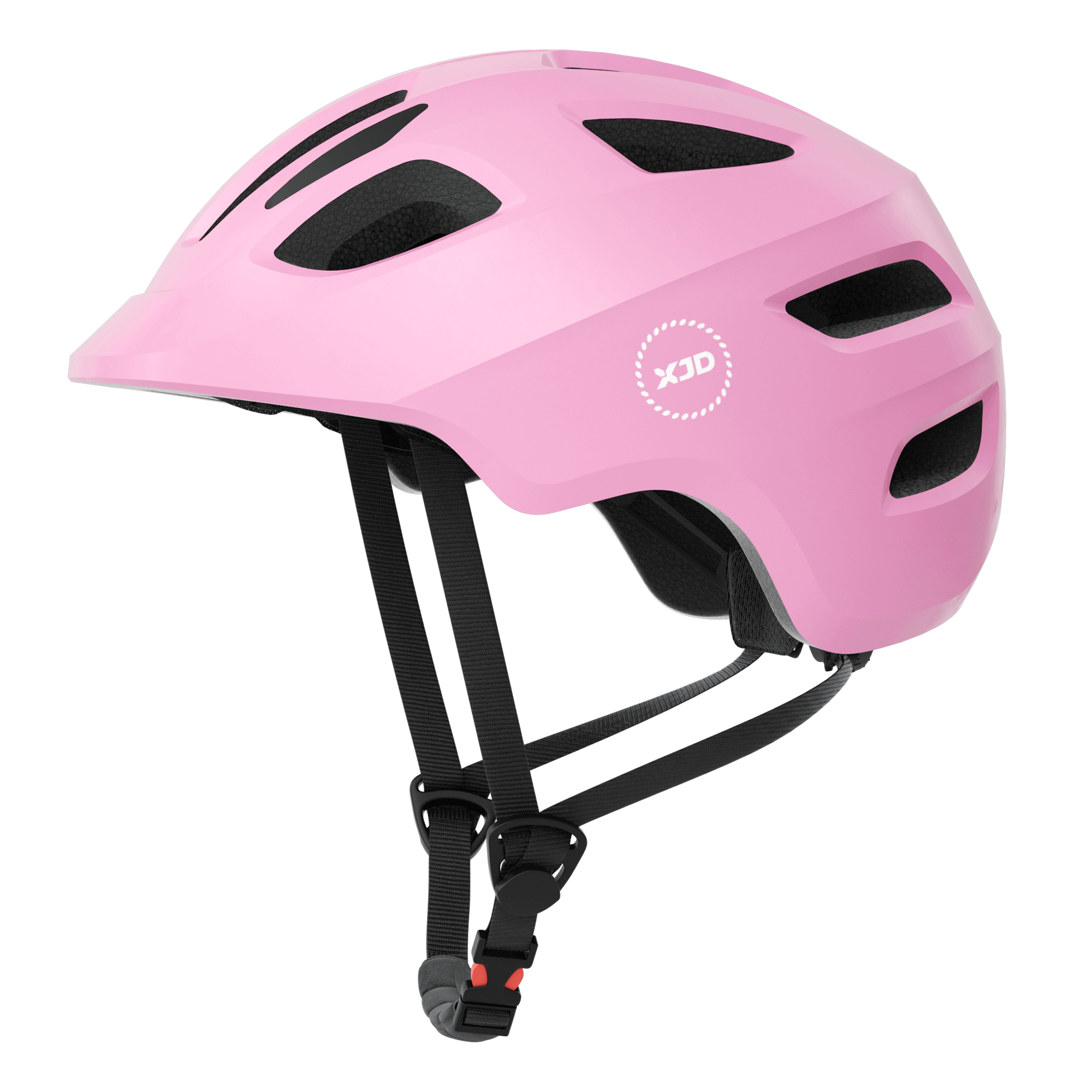 Kids Bike Helmet by XJD for Girls – Pink
Relevant when the toddler’s measured head circumference fits the supplied S range of 46–51 cm or M range of 52–56 cm; final selection still requires an on-head fit check.
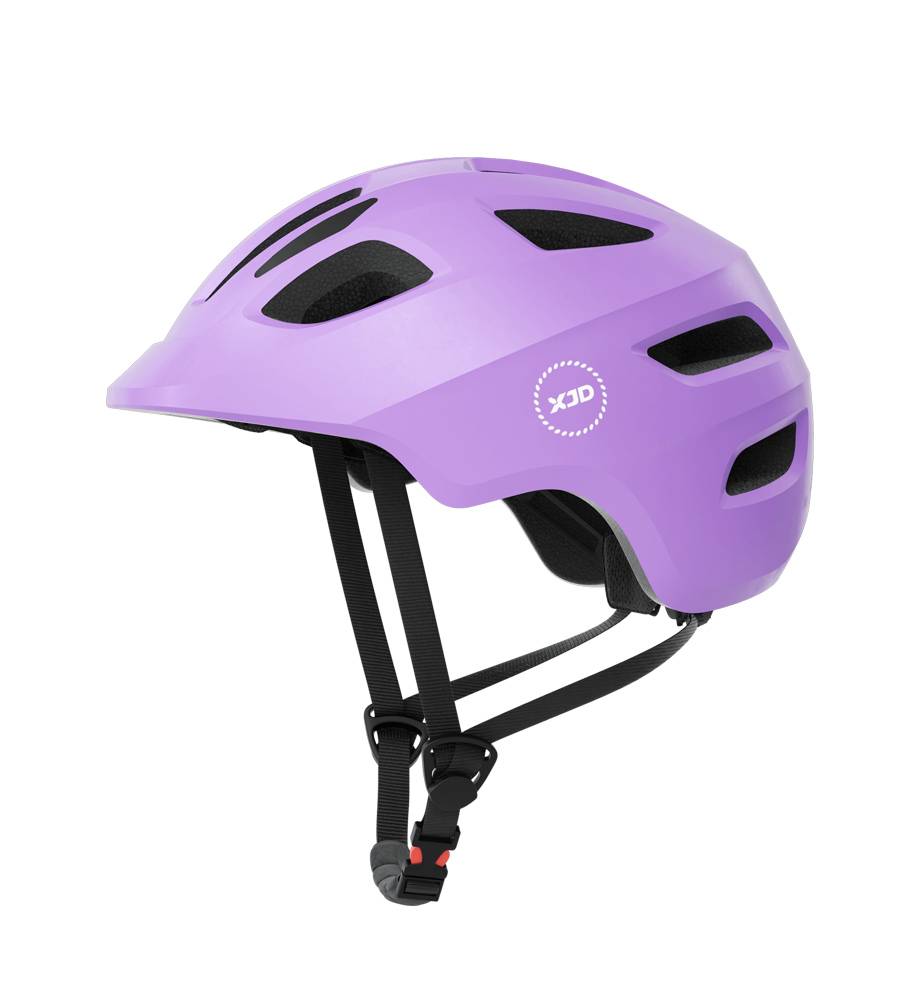 Girls' Bike Helmet from XJD – Purple
Offers supplied S and M circumference ranges of 46–51 cm and 52–56 cm. Its catalog title does not establish toddler fit, so compare the measured range and actual fit.
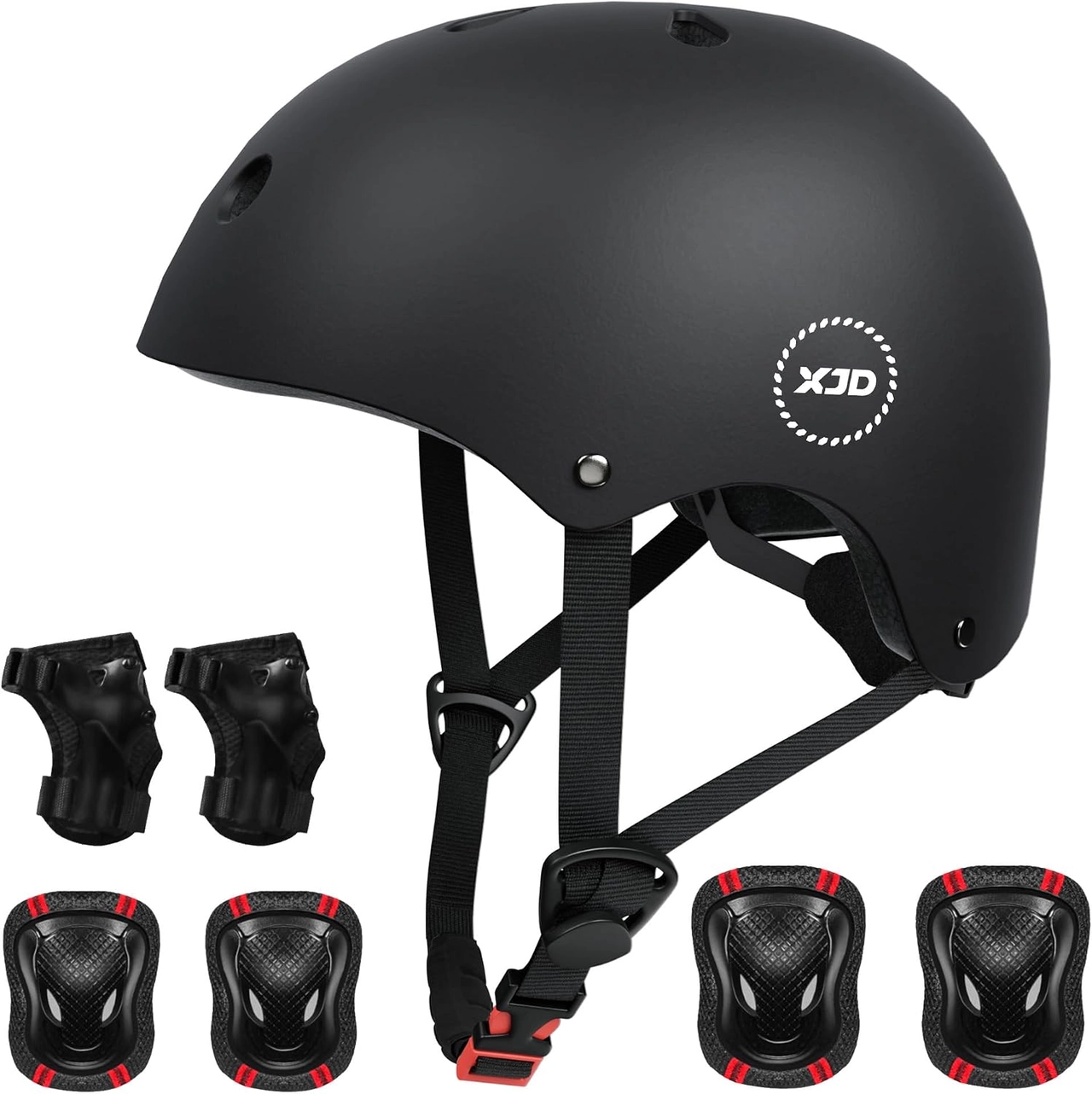 XJD Kids Helmet & Pad Set – Black, S/M/L
The L label supplies a 55–58 cm range, while no measurements are supplied for S or M. Verify those dimensions in the exact product documentation before choosing.
Kids Bike Helmet by XJD for Girls – Pink is offered in S at 46–51 cm (18.11–20.08 inches) and M at 52–56 cm (20.47–22.05 inches), across the listed Black, Blue, Green, Pink, and Purple selections. The title’s word “Kids” is a catalog label, not evidence that either size fits a particular toddler.
Girls' Bike Helmet from XJD – Purple lists the same two measurement ranges and the same five listed color selections: S at 46–51 cm and M at 52–56 cm. On the supplied facts, its sizing does not create a different circumference choice from the previous helmet. Compare the real on-head fit and follow each product’s instructions.
XJD Kids Helmet & Pad Set – Black, S/M/L lists S, M, and L, but only L includes a supplied circumference: 55–58 cm. Because dimensions are not supplied here for S or M, those labels alone are insufficient for choosing a toddler’s size. Consult the exact product information or manual before considering either one.
Know when these products are relevant
The first two helmets are relevant comparison candidates when the measured circumference falls within 46–51 cm or 52–56 cm. A number inside a range earns the helmet a try-on; it does not establish that the shell shape, adjustment, or straps suit the child.
The helmet-and-pad set’s L option is a measurable candidate only for a 55–58 cm head. Its S and M options may become relevant once their exact circumference ranges are verified from the product’s own documentation. Do not infer those measurements from their letters or transfer the ranges from another product.
If the child’s measurement is outside every verified range above, none of these supplied options is an appropriate measurement match based on the available catalog facts. Look for a helmet with a published range that includes the measured circumference instead of forcing a listed size to work.
Make the final decision
- Measure the child’s head twice and record the circumference in centimetres.
- Shortlist only helmets whose documented range includes that result.
- Try each candidate on the child, checking level position, stability, comfort, and strap arrangement.
- Read and follow the exact helmet manual for adjustment, use, and maintenance details not supplied here.
- If proper fit remains uncertain, ask a qualified bicycle mechanic for an in-person fit check.
Choose the toddler helmet only after the measured range and the on-head check both agree; if either fails, move to another documented size or model.
Bikes for your next adventure
-
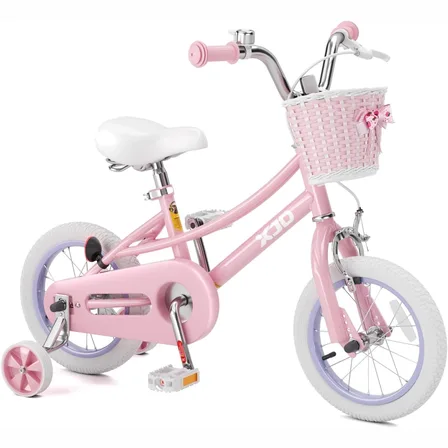
Pink 12/14/16/20" XJD Girls Bike with Training Wheels & Basket
The Pink XJD Girls Bike with Training Wheels & Basket is a first-bike pick f…$65.99
$75.99 -

Light Pink XJD Girls' Bicycle with Basket & Training Wheels
The Light Pink XJD Girls' Bicycle with Basket & Training Wheels is a retro-style…$109.99
$129.99 -

Black XJD Kids Bike for Boys – 12, 14 & 16 Inch Sizes
For a son between roughly 3 and 8 years old, the XJD Kids Bike in Black covers t…$169
$199