

What size bike for 5 year old boy
When parents search for a bike for a 5-year-old boy, they are often choosing between a small 16-inch model and a larger bike that promises more room to grow. The best answer depends on what the child can control now. Height, inseam, balance experience, brake reach, and confidence at starts and stops are more informative than age by itself.
Identify the next skill
A five-year-old may be moving from training wheels to independent balance, or may already be comfortable on two wheels. If the next skill is balance, choose a bike that feels light and approachable enough for repeated practice. If the child can already steer and stop, a larger wheel may be worth testing, but only if the frame does not force a stretched position. Do not rush a two-wheeled transition because another child is ready.
16 inches or a larger step?
Use a 16-inch bike as a starting comparison when the child is smaller, cautious, or still learning to pedal. Compare 18- or 20-inch options only when the manufacturer’s measurements and a real fit check support them. Seated, the child should have stable control and reachable bars. Standing over the frame should feel comfortable, and any hand brakes should be easy to squeeze with small hands.
- Record barefoot height and inseam rather than relying on a school-age chart.
- Watch the child mount, roll, turn, brake, and dismount.
- Check the adjustment range without raising the saddle beyond safe markings.
- Choose a quiet practice space with room to stop.
Why these XBikes cards are worth comparing
The three linked training-wheel bikes show how frame color, wheel-size range, and stabilizer configuration can vary within one buying topic. Read the current listing for exact options instead of assuming every card is the same size. Compare weight, saddle position, brake arrangement, and whether the configuration supports the skill your child is practicing.
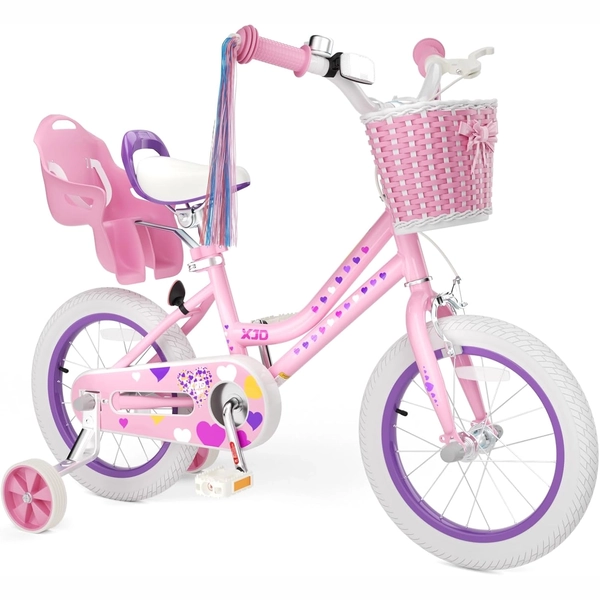 Light Pink XJD Girls' Bicycle with Basket & Training Wheels
Why it fits: Its smaller-wheel or training-wheel configuration is a useful match for early pedal practice, where stable starts and stops matter most.
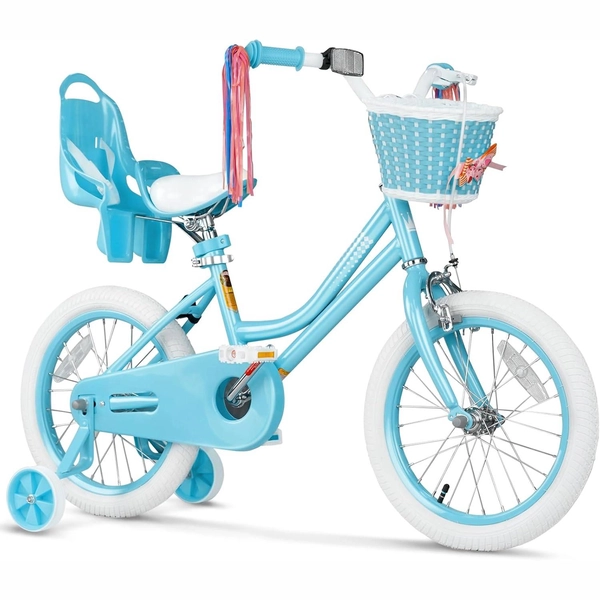 Blue XJD Girls Bike with Training Wheels – 12/14/16 Inch
Why it fits: Its smaller-wheel or training-wheel configuration is a useful match for early pedal practice, where stable starts and stops matter most.
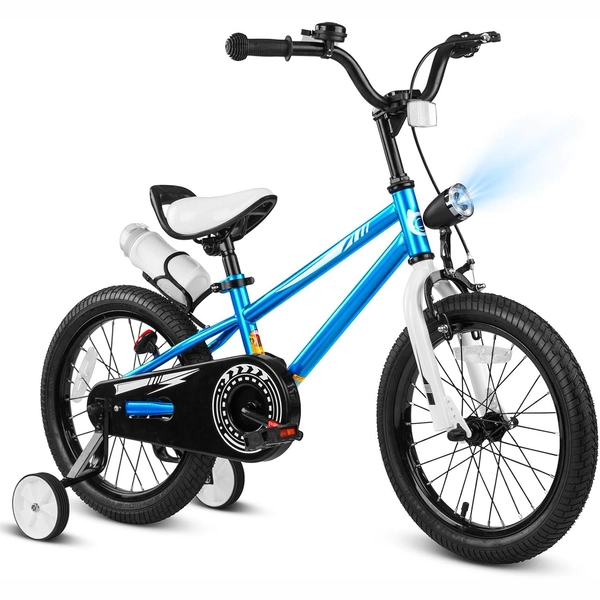 XJD Boys 12/14/16" Training Wheel Bike – Blue
Why it fits: Its smaller-wheel or training-wheel configuration is a useful match for early pedal practice, where stable starts and stops matter most.
Training wheels are a stage, not a sizing shortcut
Training wheels can help a child feel secure while coordinating pedals, but they do not remove the need for steering and braking awareness. Keep them adjusted according to the product instructions and watch for wobble. When the rider is ready, short balance sessions without them can build a different skill set. Follow the child’s readiness rather than a fixed calendar.
Helmet and maintenance checklist
Use a bicycle helmet that meets the applicable CPSC standard. It should sit level, cover the forehead, remain steady when the child shakes their head, and have a snug chin strap. Before riding, inspect the tires, wheels, pedals, chain, fasteners, and brakes. Keep an adult within immediate reach on early rides and end the session when fatigue affects control.
FAQ
Is 20 inches too big for every five-year-old?
No, but it is too large for some. The child must be able to reach and operate the controls and stop without help.
Should I buy the largest size for future growth?
No. A correctly fitting bike with adjustment range is safer and usually more enjoyable than an oversized bike.
Source note: The article summarizes bicycle-fit advice from HealthyChildren.org and helmet information from the U.S. CPSC.
Bikes for your next adventure
-

Light Purple XJD Toddler Bike Helmet, Adjustable, Size XS (46–51 cm)
This Light Purple XJD toddler bike helmet is made for the smallest riders — the …$20.39
-

Black XJD Toddler Bike Helmet, Adjustable – Kids' Protective Helmet
The XJD Toddler Bike Helmet in black is an adjustable protective helmet for kids…$20.39
-

Pink Girls' 12/14/16" Bike by XJD – Basket & Doll Seat
The XJD Pink Girls' Bike with Basket & Doll Seat is made for riders 71–122 cm ta…$75.99
$99.99