

What size bike for 5' boy
The phrase “5' boy” is too abbreviated to choose a bike by itself. A five-foot rider may fit a 24-inch youth bike, a compact 26-inch frame, or a smaller model with a different geometry. The meaningful decision comes from inseam, reach, riding experience, and the kind of route the child expects to ride.
Measure before comparing wheel labels
Take height and inseam without shoes, then check the manufacturer's size range for each actual model. Wheel diameter is only one part of the fit. Frame length, seat-tube design, handlebar height, and brake reach can change how a bike feels. A rider who is tall but short-legged may need a different choice from a rider with the same height and a longer inseam.
Use a short practical test
Ask the rider to mount without lifting, sit with relaxed shoulders, and roll slowly. Look for comfortable reach to the grips, slightly bent elbows, and brake levers that can be squeezed firmly. While standing over the bike, check for clearance. A wide turn and controlled stop are especially useful tests: if the rider hesitates, oversteers, or cannot brake naturally, the bike is probably too large or not suited to the rider.
- Compare frame geometry as well as wheel diameter.
- Check saddle and handlebar adjustment limits.
- Match the bike to pavement, paths, neighborhood riding, or BMX use.
- Prioritize present control over maximum possible growth room.
Read the XBikes product set carefully
The linked products give different reference points: a BMX-style 20-inch bike and 24-inch cruiser options. That variety makes the cards useful for intent matching, but they should not be treated as interchangeable. A rider who wants quick, active handling may prefer a BMX-oriented design, while a relaxed family rider may value cruiser posture. Confirm current dimensions, brake type, equipment, and availability on each page.
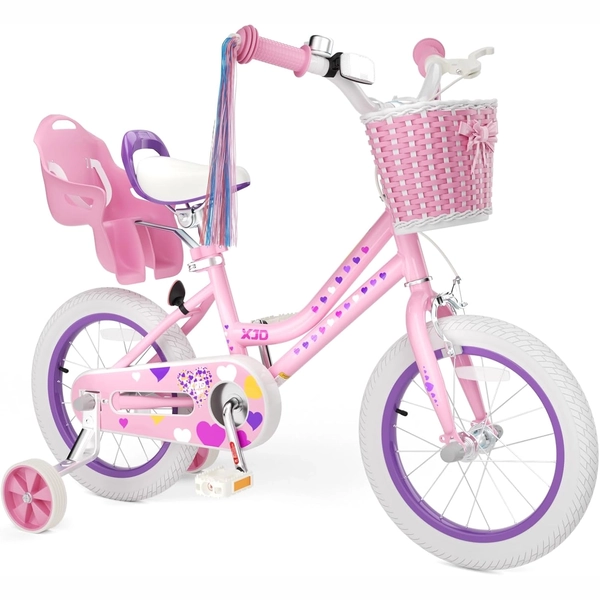 Light Pink XJD Girls' Bicycle with Basket & Training Wheels
Why it fits: Training wheels can support early practice while the rider develops steering and braking confidence; verify the listed wheel size first.
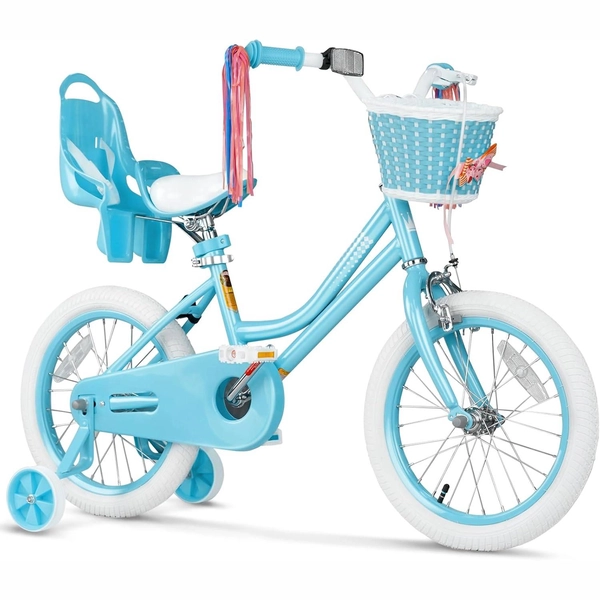 Blue XJD Girls Bike with Training Wheels – 12/14/16 Inch
Why it fits: Training wheels can support early practice while the rider develops steering and braking confidence; verify the listed wheel size first.
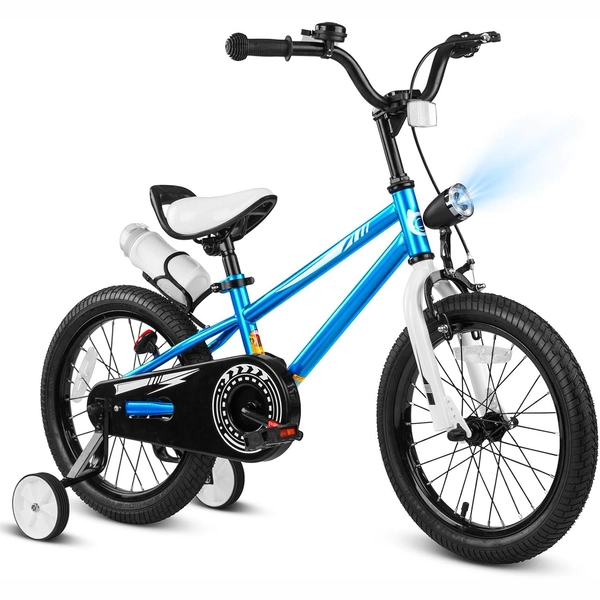 XJD Boys 12/14/16" Training Wheel Bike – Blue
Why it fits: Training wheels can support early practice while the rider develops steering and braking confidence; verify the listed wheel size first.
Growth room without losing confidence
A few useful adjustment positions can extend a bike's life, but there is a limit. The child should not need to stretch for the bars, struggle to reach the brakes, or lean the bike excessively to put a foot down. Oversizing can turn an otherwise enthusiastic rider into a reluctant one. Recheck the position after a growth spurt and after changing the saddle or bars. A short inspection and familiar practice loop can make the first full ride feel more predictable and controlled.
Prepare the bike and the rider
After assembly, inspect tires, wheels, pedals, chain, fasteners, and brake response. Fit a helmet level over the forehead and secure the chin strap according to the manufacturer's instructions. Practice starts, turns, and stops away from traffic before using longer routes. Supervise until the rider can control the bike consistently.
FAQ
Is a 24-inch wheel always right for a five-foot child?
No. It is a category to test, not a guarantee. Frame reach and inseam can make another size more appropriate.
Should the bike match the child's gender?
No. Sizing follows body measurements, control, and riding purpose; color and gender labels do not determine fit.
Source note: Fit and helmet guidance is summarized from HealthyChildren.org and the U.S. CPSC.
Bikes for your next adventure
-

Light Purple XJD Toddler Bike Helmet, Adjustable, Size XS (46–51 cm)
This Light Purple XJD toddler bike helmet is made for the smallest riders — the …$20.39
-

Black XJD Toddler Bike Helmet, Adjustable – Kids' Protective Helmet
The XJD Toddler Bike Helmet in black is an adjustable protective helmet for kids…$20.39
-

Black XJD Kids Bike for Boys – 12, 14 & 16 Inch Sizes
For a son between roughly 3 and 8 years old, the XJD Kids Bike in Black covers t…$169
$199