

What size bike for a 5 foot tall boy
For a boy who is exactly 5 feet tall (60 inches / about 152 cm), compare both a 20-inch and a 24-inch bike, then choose by actual fit. XBikes places 60 inches at the upper end of the 20-inch range and within the 24-inch range, so height alone does not settle the choice.
Why two wheel sizes can fit at 5 feet
The XBikes starting range for a 20-inch bike is 48–60 inches (122–152 cm), while the range for a 24-inch bike is 54–64 inches (137–163 cm). A 5-foot rider sits where those ranges overlap. Age is secondary: the 20-inch starting point is ages 7–12, and the 24-inch starting point is ages 10–14, but measured fit, reach, brake control and confidence matter more.
A 20-inch bike may suit a rider who benefits from a more compact setup or is still developing confidence. A 24-inch bike may be appropriate if he can comfortably stand over it, reach its controls and steer it without stretching. Do not choose the larger size merely to leave growing room.
Measure the rider before comparing bikes
Measure height without shoes, with the child standing straight against a wall. Then measure inseam from the floor to the crotch while he stands naturally. Use a firm book held level between the legs to make the inseam measurement easier to repeat.
Bring both measurements when checking a bicycle. Wheel-size ranges narrow the search, but they do not provide a universal stand-over height or frame geometry. Those details must be checked on the exact bike.
Perform the individual fit check
- Check stand-over: Have the rider straddle the bicycle with both feet on the ground. The frame should not prevent a comfortable, controlled stance.
- Check reach: With hands on the grips, he should not need to lock his elbows, lean excessively or slide forward simply to steer.
- Check brake access: He must be able to reach and operate the brake controls confidently from his normal riding position.
- Check low-speed control: In a suitable supervised area, confirm that he can start, steer, stop and put a foot down without struggling against the bicycle’s size.
- Compare confidence: If the 24-inch bike makes these actions hesitant but the 20-inch allows calm control, do not size up just for growth. If both pass, compare comfort and intended riding style.
Adjust the bicycle only as permitted by its exact product manual. For assembly, torque, maintenance, load limits or compatibility questions not stated in the catalog, follow that manual or ask a qualified bicycle mechanic.
How the supplied XBikes options help
The catalog includes one 20-inch BMX comparison and two 24-inch beach-cruiser comparisons, matching the two wheel-size starting points that overlap at 5 feet. Their categories and wheel sizes help organize a real fit comparison; they do not prove that a particular frame will fit this rider.
 24-Inch Purple XJD Beach Cruiser Bike with U-Brake
A 24-inch beach cruiser comparison for a 5-foot rider, with purple color and U-brake stated in the title. Confirm stand-over, reach and brake control on the actual bike.
 Blue XJD Freestyle BMX Bike, 20-Inch – No Pegs
This 20-inch kids’ BMX bike represents the smaller size in the height-range overlap at 5 feet. The supplied catalog identifies it as blue and without pegs; individual fit still decides suitability.
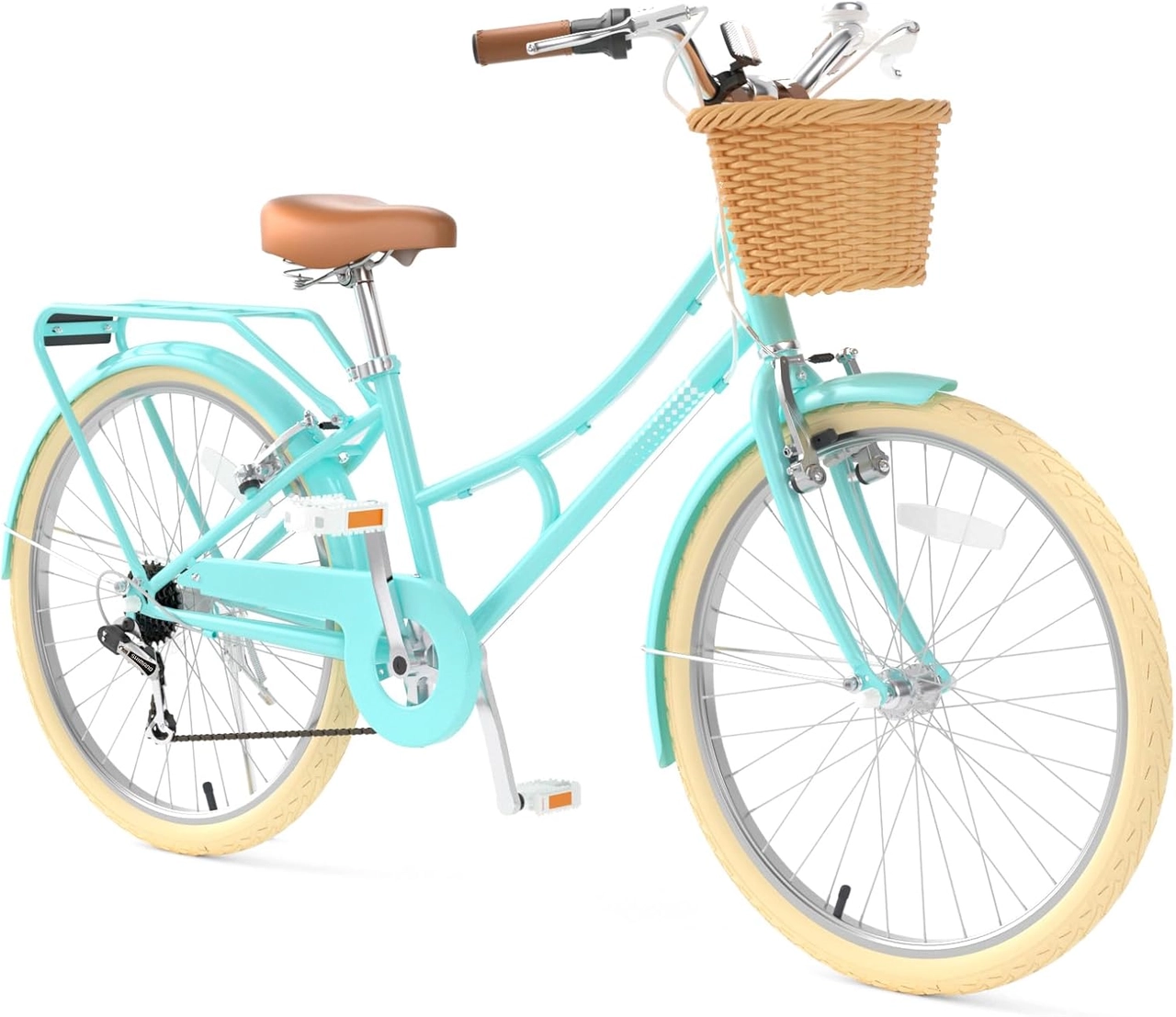 XJD 24-Inch Green Beach Cruiser Bike with U-Brake
A 24-inch beach cruiser comparison with green and pink 24-inch SKU labels. Its pink 26-inch label is not the starting choice at exactly 60 inches because XBikes places 26-inch bikes above 60 inches.
The Blue XJD Freestyle BMX Bike, 20-Inch – No Pegs represents the smaller wheel-size starting point. Its catalog facts identify it as a 20-inch kids’ BMX bike with no pegs. It is relevant when the rider needs to compare the compact end of the overlap.
The 24-Inch Purple XJD Beach Cruiser Bike with U-Brake represents the larger starting point and is categorized as a beach cruiser bike. Its title supplies the 24-inch size, purple color and U-brake description; none of those facts replaces checking stand-over, reach and brake operation.
The XJD 24-Inch Green Beach Cruiser Bike with U-Brake is another 24-inch beach-cruiser comparison. Its supplied SKU labels include Green / 24 Inch, Pink / 24 Inch and Pink / 26 Inch. For an exactly 60-inch rider, compare the 24-inch versions first: XBikes reserves 26-inch bikes for youth and adults over 60 inches (153 cm), so the 26-inch label is not supported by the height starting point at exactly 5 feet.
Make the final 20-inch versus 24-inch decision
Choose a 20-inch bike if it passes the fit checks and the 24-inch option compromises stand-over, reach, braking or present confidence. Choose a 24-inch bike only if the rider can comfortably straddle it, reach and use the controls, and demonstrate controlled starting, steering and stopping. If neither size passes every check, do not treat the overlap chart as permission to buy; try a different frame or seek help from a qualified bicycle mechanic.
Before riding, add a properly fitting bicycle helmet. It should sit level and its straps should be used according to the helmet manufacturer’s instructions. For this 5-foot rider, the next step is simple: record height and inseam, try both 20-inch and 24-inch candidates, and buy only the size he can control now.
Bikes for your next adventure
-

Black XJD Kids Bike for Boys – 12, 14 & 16 Inch Sizes
For a son between roughly 3 and 8 years old, the XJD Kids Bike in Black covers t…$169
$199 -

XJD Boys 12/14/16" Training Wheel Bike – Blue
The XJD Boys Bike in Blue is a training wheel bike for riders 71–122 cm tall—rou…$169
$199 -
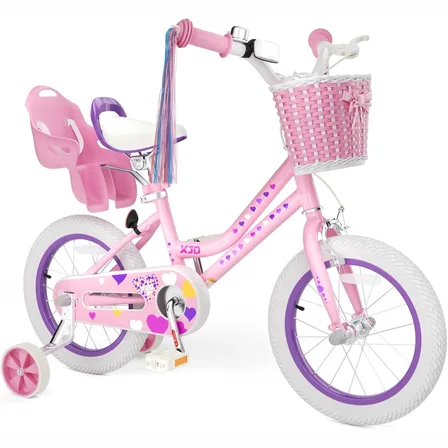
Light Pink XJD Girls' Bicycle with Basket & Training Wheels
The Light Pink XJD Girls' Bicycle with Basket & Training Wheels is a retro-style…$109.99
$129.99