

A bike that kids use that has no pedals
A bike that kids use with no pedals is called a balance bike. The child sits on the saddle, pushes with their feet and learns to steer, balance and stop.
What a pedal-free bike teaches
A balance bike separates balancing and steering from pedalling. Instead of relying on training wheels, the rider keeps contact with the ground, moves at a manageable pace and lifts their feet only when ready. It is mainly relevant to a child who is still developing balance and confidence.
A balance bike is not simply any small bicycle described without another accessory. Confirm that the model is actually designed without pedals; wording such as “no pegs” does not mean “no pedals.” Also check the exact product description and manual rather than assuming that pedals can safely be removed from a conventional bicycle.
Measure the child before comparing bikes
Start with the child’s current height and inseam, without shoes. For the inseam, have the child stand naturally and measure from the floor to the crotch. Compare those measurements with the manufacturer’s fit information for the exact balance bike.
Then have the child try the bike. They should be able to stand over it, reach the handlebar without stretching and control the steering. On a balance bike, they also need dependable foot contact with the ground while seated so they can push and stop. If the bike has hand brakes, verify that the child can reach and operate them confidently.
Do not buy an oversized bike merely to allow room for growth. Age labels are only starting clues; measured fit, reach, control and confidence matter more.
Wheel-size starting points for later pedal bikes
If you are comparing a balance bike with the child’s next pedal bike, XBikes uses these wheel-size ranges as starting points. They do not replace an individual fit check.
| Wheel size | Starting age | Rider height |
|---|---|---|
| 12 Inch | 3–4 | 34–40 in / 86–102 cm |
| 14 Inch | 3–6 | 37–45 in / 94–114 cm |
| 16 Inch | 4–7 | 40–48 in / 102–122 cm |
| 18 Inch | 5–9 | 43–52 in / 109–132 cm |
| 20 Inch | 7–12 | 48–60 in / 122–152 cm |
| 24 Inch | 10–14 | 54–64 in / 137–163 cm |
| 26 Inch | Youth and adults | Over 60 in / 153 cm |
Where ranges overlap, choose by the child’s measured height and inseam, then check stand-over room, reach, brake control and present riding confidence. A larger wheel label is not evidence of a better fit.
Are the supplied XBikes products balance bikes?
The supplied catalog options help clarify the distinction: they are categorized as BMX or training-wheel bikes, not as balance bikes. They may be relevant when a child is ready to compare pedal-bike formats, but the supplied facts do not establish any of them as pedal-free.
 Blue XJD Freestyle BMX Bike, 20-Inch – No Pegs
A Kids’ BMX Bike with a 20-inch description and no pegs. “No Pegs” does not establish that it is pedal-free; compare it only after checking the rider against the 20-inch starting range and confirming individual fit.
 Light Pink XJD Girls' Bicycle with Basket & Training Wheels
A Training Wheel Bike offered under 12 Inch, 14 Inch, 16 Inch and 20 Inch SKU labels. It is relevant to pedal-bike and wheel-size comparison, but the supplied catalog facts do not identify it as a balance bike.
 Blue XJD Girls Bike with Training Wheels – 12/14/16 Inch
A Training Wheel Bike with 12 Inch, 14 Inch and 16 Inch SKU labels. Consider it when the child is ready for a pedal bike, using measured height, inseam, reach and control rather than the title alone.
Blue XJD Freestyle BMX Bike, 20-Inch – No Pegs is listed as a Kids’ BMX Bike with a 20-inch description. “No Pegs” describes the absence of pegs, not pedals. Use the 20-inch starting range of ages 7–12 and 48–60 in / 122–152 cm only as an initial screen, followed by a hands-on fit check.
Light Pink XJD Girls' Bicycle with Basket & Training Wheels is categorized as a Training Wheel Bike and has 12 Inch, 14 Inch, 16 Inch and 20 Inch SKU labels. It is relevant when comparing several conventional wheel sizes or considering training wheels, but it is not identified as a balance bike in the supplied facts.
Blue XJD Girls Bike with Training Wheels – 12/14/16 Inch is also categorized as a Training Wheel Bike, with 12 Inch, 14 Inch and 16 Inch SKU labels. Those sizes cover several overlapping XBikes starting ranges, so select from measurements and an actual fit check rather than the title alone.
Balance bike or training-wheel bike?
Choose the format according to the skill the child is practicing. A balance bike focuses on pushing, steering and balancing without pedals. A training-wheel bike is a different format that supports a conventional bicycle while the rider works with pedals.
- Look for a true balance bike when the immediate goal is learning balance with feet available for support.
- Compare the listed training-wheel bikes when the child is ready to pedal and the measured size, reach and controls fit.
- Consider the listed 20-inch BMX option only when that wheel-size range and BMX category match the rider’s measurements and intended use; “No Pegs” is not a balance-bike feature.
Check control and protective equipment
Before riding, have the child demonstrate that they can get on and off, steer, slow down and stop in a controlled area. A bicycle helmet should fit properly, sit level and have its straps adjusted according to the helmet manufacturer’s instructions.
For assembly, pedal removal, maintenance, load limits, compatibility and torque, follow the manual for the exact product or use a qualified bicycle mechanic. Do not convert a pedal bike into a balance bike unless its manufacturer’s instructions specifically support that setup.
What to do next
- Measure the child’s height and inseam.
- Decide whether the present goal is balance without pedals or pedalling with support.
- Try the correctly described bike and check stand-over, seated foot contact, reach, steering and brake control.
If the child needs a bike with no pedals, search specifically for a balance bike; treat the three supplied XBikes products as later pedal-bike comparisons unless their exact manuals establish another intended configuration.
Bikes for your next adventure
-

Kids Bike Helmet by XJD for Girls – Pink
The XJD Kids Bike Helmet in Pink is a lightweight multi-sport helmet for girls r…$59.99
$99 -
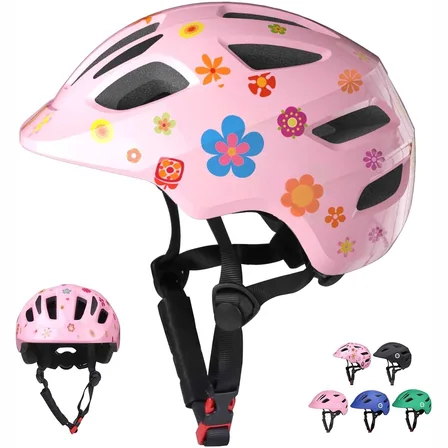
XJD Kids Bike Helmet for Girls, Pink Flowers, Adjustable (XS–S)
The XJD Kids Bike Helmet in Pink Flowers is an adjustable toddler-and-kids helme…$21.24
$24.99 -

XJD Pink Beach Cruiser for Girls – Rear Rack & V-Brake
The XJD Pink Beach Cruiser for girls is the step-up bike for riders who've outgr…$179.99
$209.99