

Beach Cruiser Brake Squeal: What to Check
Beach cruiser brake squeal is a warning to inspect the system, even when the bicycle still seems to stop. Rim-brake noise can come from water, dirt, pad alignment, worn material or contamination on the braking surface. Because a quiet brake is not automatically a strong brake—and a noisy one may signal reduced control—keep the bicycle parked while an adult checks both wheels and brakes.
Notice when the sound occurs
Identify whether the squeal comes from the front or rear and whether it begins with light or firm lever pressure. Do not diagnose it by riding fast or braking downhill. With the bike stationary, squeeze each lever and observe its travel. A lever that reaches the grip, feels unusually stiff or fails to hold the wheel requires service regardless of the noise.

Inspect dry braking surfaces
Look for dirt, glaze, embedded debris, uneven pad wear or a pad touching the tire instead of the rim's intended track. Check the rim for damage and confirm the wheel sits securely. Use only cleaning methods approved for the brake and rim. Keep lubricants, wax and oily cleaners away; contamination can reduce friction while briefly changing the sound.

Check pad position and hardware
Brake pads should contact as their manufacturer specifies and clear the tire. A loose holder, worn groove, cracked pad or frayed cable is not corrected by adjusting for silence. Cable tension, pad angle and centering interact, so a bicycle mechanic should complete the work when the correct tools and settings are unfamiliar.
Test stopping, not merely quietness
After approved cleaning or service, turn each wheel and confirm the brake releases without rubbing. Perform a stationary squeeze, then a walking-speed stop on dry level ground with a clear runout. Test front and rear controls smoothly. Park the cruiser again for weak response, pulsing, pulling, recurring squeal or any new vibration.
How the current product examples fit
The mint XJD beach cruiser with rear rack and the purple 26-inch cruiser list V-brake systems. Their pad condition, cable route and rim surfaces must be checked on the actual assembled bicycle rather than inferred from color or wheel size. See XJD Kids Beach Cruiser Bicycle, Rear Rack & V-Brakes, Mint Green, 26-Inch XJD Beach Cruiser Bike for Girls – Purple, V-Brake for the exact current options and specifications.
Quick checklist
- Identify which brake makes the sound.
- Check lever travel before riding.
- Keep oil away from rims and pads.
- Inspect pad wear and tire clearance.
- Verify low-speed stopping after service.
Common questions
Can water make cruiser brakes squeal?
Moisture can change rim-brake sound and performance, but persistent noise after drying still deserves inspection.
Should I spray lubricant on a squealing brake?
No. Lubricant on a rim or pad can reduce braking. Find the mechanical or contamination cause instead.
Explore related guides
Use the beach-cruiser collection and kids-bike collection to compare other suitable configurations without assuming every model has the same features.
Bottom line
Use squeal as a prompt to assess stopping strength, pad placement and clean braking surfaces. The repair is complete when the brake engages and releases predictably—not merely when the sound disappears.
Bikes for your next adventure
-
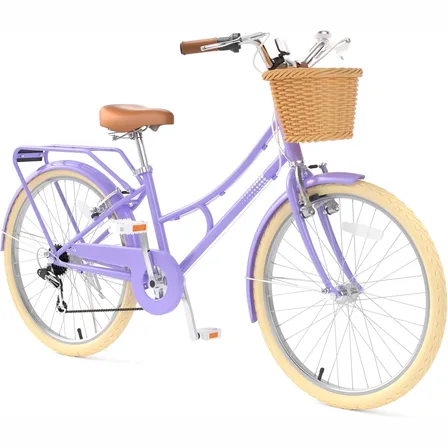
24-Inch Purple XJD Beach Cruiser Bike with U-Brake
The XJD 24-Inch Purple Beach Cruiser is built for girls and young women roughly …$159.99
-

26-Inch XJD Beach Cruiser Bike for Girls – Purple, V-Brake
This XJD 26-inch purple beach cruiser is sized for big kids and teens — suggeste…$218.49
$229.99 -

XJD 24-Inch Green Beach Cruiser Bike with U-Brake
This XJD 24-inch beach cruiser in green is made for riders about 4'8" to 5'4" ta…$159.99
$199.99