

Bicycle Rim Joint: Describe the Seam Before Deciding What a Line Means
A bicycle rim joint is where the ends of some metal rim profiles meet to form the hoop. An owner noticing a line near the wheel may instead be looking at the tire, a braking-surface feature or damage. Naming the location accurately makes the next question much clearer. Learn the construction terms and preserve useful observations, while leaving an uncertain crack or separating joint for proper assessment before another ride.
Locate the bicycle rim joint on the rim itself
Distinguish the metal rim from the tire sidewall and tread while the bicycle is stationary. A moulded line on rubber is not the metal rim’s joining seam. Identify the actual rim maker or model if possible and use its diagram to understand the location. Do not assume every visible straight line has the same meaning. Keep the child away from inspection work and avoid placing a finger against any surface while the wheel moves.

Read pinned, sleeved and welded as construction terms
Rim makers use different methods to join profile ends. Pinned and sleeved designs use internal joining elements; welded construction joins the material at the meeting area. Manufacturer documentation is needed to identify which method applies. Ryde describes pin and sleeve joints in its technology information, while other rim makers document welded examples. These are manufacturing descriptions, not home repair instructions. An owner should not add glue, hammer in a pin or attempt to weld an assembled wheel.
Keep appearance separate from a condition judgment
A manufacturing joint can leave a visible line, but knowing that joints exist does not prove an unfamiliar line is harmless. Likewise, an angled photograph cannot measure a gap, establish material condition or confirm that the joint remains sound. Note any change, separation, displacement or associated brake symptom without probing the area with a sharp tool. Do not force the rim sides together or inflate beyond the applicable limits to see whether the line changes.
Make the inspection request specific
State front or rear wheel, the exact bicycle and selected wheel size, and whether the wheel is original. Photograph the whole wheel and a clear close view of the observed location. Include readable rim markings and any known impact or previous wheel repair. A technician can then identify the construction and assess the actual finding. Avoid sanding the area to improve the photograph or applying paint that hides the feature before it has been understood.
Assess the complete wheel and brake relationship
The Mint Green XJD cruiser lists V-brakes, so its rim is also part of the braking system. Its catalogue does not identify the joint method or authorize a seam gap. Have uncertain structural or braking-surface findings assessed with the tire, rim and wheel condition together. Follow the actual component guidance for any approved service or replacement, then complete wheel-retention and brake checks. A generic statement about another manufacturer’s seam cannot certify this wheel for use.
Model details relevant to this task
The linked current cruiser has gears, a rear rack and several wheel options. Its merchant photograph is an overall product view, not evidence of a particular joining method or a damaged seam. No joint position, permissible gap, repair method or remaining rim life is assigned to the bicycle from that image. The linked model details are available for XJD Kids Beach Cruiser Bicycle, Rear Rack & V-Brakes, Mint Green.
Quick checklist
- Distinguish rim from tire material.
- Identify documented joint construction.
- Record the exact wheel location.
- Leave uncertain damage unaltered.
- Assess wheel and brakes together.
Common questions
Is every line near the rim a joining seam?
No. Identify the material and feature; tire moulding, brake-track details and damage require different interpretation.
Does a visible seam automatically mean a failed rim?
Appearance alone does not settle condition. Use the actual rim information and competent assessment of an uncertain finding.
Can a joint be filled with household glue?
No approved home joint repair is established. Preserve the finding and obtain the component’s service decision.
Related collections
The rim-braked cruiser configurations and other family bicycle wheel assemblies provide further model details. Check the exact selected configuration when planning fit, handling and care.
Before the next outing
Describe a bicycle rim joint with the correct material, construction record and wheel location. Keep manufacturing knowledge separate from condition approval, and resolve an uncertain finding before using the bicycle again.
Bikes for your next adventure
-
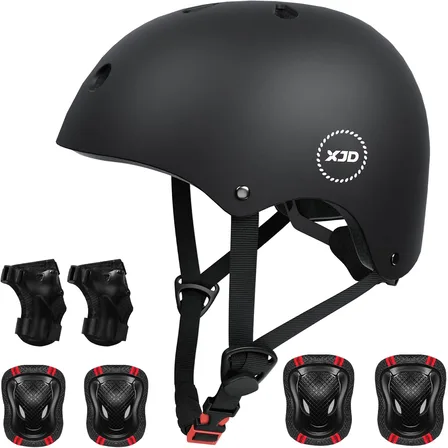
XJD Kids Helmet & Pad Set – Black, S/M/L
This XJD Kids Helmet & Pad Set in Black is designed for kids aged 3 to 8, pairin…$23.79
$27.99 -
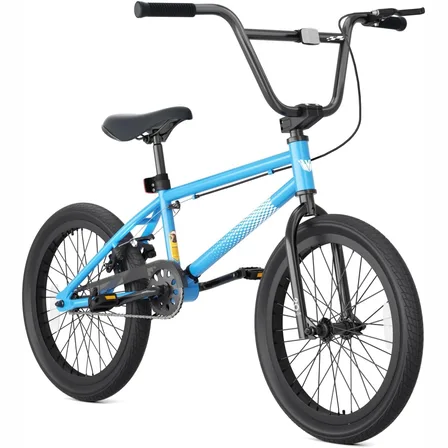
Blue XJD Freestyle BMX Bike, 20-Inch – No Pegs
The XJD 20-Inch Blue Freestyle BMX is an entry-level BMX bike for boys and girls…$189.99
-

Kids Bike Helmet by XJD for Boys & Girls – Black, Blue, Green, Pink, Purple
The XJD Kids Bike Helmet covers a wide 2-to-8-year age range thanks to two head-…$59.99