

Can a 5 year old ride a 20 inch bike
A 5-year-old can ride a 20-inch bike only if the child is tall enough and can comfortably stand over, steer and brake it. Under XBikes starting points, 20-inch wheels usually suit riders 48–60 in (122–152 cm) tall and ages 7–12, so age five alone does not support choosing this size.
Measure your child before deciding
Measure the child’s height without shoes, standing straight against a wall. Then measure inseam from the floor to the crotch while the child stands naturally. Height lets you compare the rider with the XBikes wheel-size starting points; inseam helps you assess clearance when the actual bicycle is available.
For the closest size comparison, XBikes lists 16-inch bikes for ages 4–7 and heights 40–48 in (102–122 cm), 18-inch bikes for ages 5–9 and heights 43–52 in (109–132 cm), and 20-inch bikes for ages 7–12 and heights 48–60 in (122–152 cm). These ranges overlap because wheel diameter is only a starting point. Frame shape and the child’s proportions still affect fit.
Compare the measurements with the bike
If the child is below 48 in (122 cm), a 20-inch bike falls outside the supplied XBikes height starting point. Compare the child with a 16- or 18-inch bicycle instead, while still performing the same hands-on checks. If the child is at least 48 in tall, a 20-inch model becomes reasonable to try, but it is not automatically a good fit.
Have the child try the complete bicycle rather than relying on its wheel label. The American Academy of Pediatrics advises against buying an oversized bicycle for a child to grow into. On a test fit, check all of the following:
- The child can stand over the bicycle with comfortable clearance rather than being pressed against the frame.
- The child can reach the handlebar without stretching, locking the elbows or losing a balanced riding position.
- The child can steer through gentle turns while remaining in control.
- The child can reach and operate the bicycle’s brakes reliably with their hands in a normal position.
- The child can start, stop and put a foot down without panic or assistance.
Confidence can change the answer
A tall 5-year-old may meet the 20-inch height starting point yet still lack the reach, brake control or confidence needed for that particular bicycle. Conversely, confidence cannot compensate for a frame that is too large. Both physical fit and demonstrated control need to be present.
Use a quiet, flat area for the initial check, with close adult supervision. Ask the child to show controlled starts, straight riding, wide turns and predictable stops. If the bicycle feels intimidating, the child stretches to the controls, or stopping is inconsistent, step down and compare a smaller wheel size rather than hoping practice will correct an oversized fit.
How the supplied bike helps with comparison
The Girls' Training Wheel Bike by XJD, 12–20 Inch Wheels – Blue is listed in the Training Wheel Bikes category with 12 Inch, 14 Inch, 16 Inch and 20 Inch SKU labels. Its 16-inch and 20-inch options provide useful catalog comparison points for this question, particularly when deciding whether a 5-year-old has moved beyond the smaller starting range. The 20-inch option is relevant only after measurement and an individual fit check; the title and category do not prove fit.

The supplied facts do not include an 18-inch option for this product, so it cannot represent that intermediate size. They also do not specify frame dimensions, brake type, load limit, assembly details or compatibility. Consult the manual for the exact SKU or ask a qualified bicycle mechanic about those matters rather than transferring assumptions from one wheel size to another.
Do not skip helmet fit
A bicycle helmet is necessary regardless of wheel size or training-wheel use. Following U.S. Consumer Product Safety Commission guidance, choose a helmet that fits the child properly, sits level on the head and has its straps adjusted according to the helmet manufacturer’s instructions. A helmet cannot make an oversized bicycle controllable, so treat helmet fit and bicycle fit as two separate checks.
Your decision for a 5-year-old
Measure first. If the child is under 48 in (122 cm), do not select a 20-inch bicycle on age or expected growth; compare an appropriately smaller size. If the child is within the 20-inch height starting point, arrange a real test and confirm stand-over clearance, easy reach, reliable brake operation and calm control. Choose the 20-inch size only when every check succeeds now—not because the child may grow into it later.
Bikes for your next adventure
-
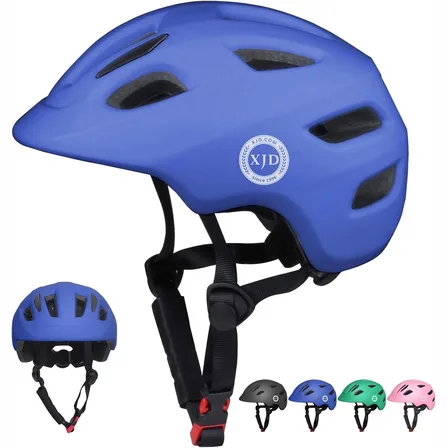
Blue XJD Kids' Bike Helmet, Adjustable Fit – Sizes XS & S
The Blue XJD Kids' Bike Helmet is a lightweight, adjustable helmet for toddlers …$20.39
-
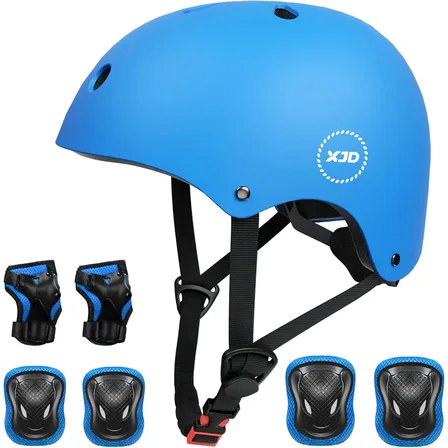
Blue XJD Helmet & Protective Gear Set for Kids, Sizes S/M
The Blue XJD Helmet & Protective Gear Set is made for kids roughly 3 to 8 years …$23.79
-
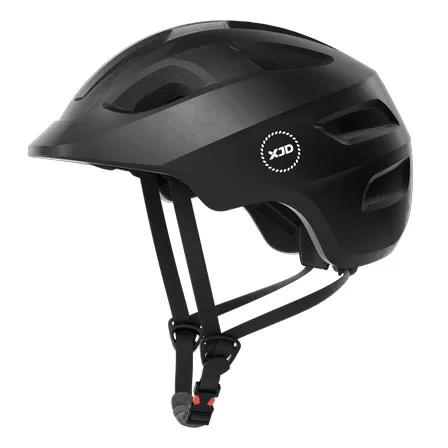
Kids Multi-Sport Bike Helmet by XJD – Black
7 reviews
The XJD Kids Multi-Sport Bike Helmet in Black is a lightweight, adjustable helme…$59.99
$49