

Can a 9 year old ride a 26 inch bike
A 9-year-old can ride a 26-inch bike only if they are over 60 in (153 cm) and can comfortably control that specific bike. Most 9-year-olds should not move to 26-inch wheels based on age alone.
Start with height, not the birthday
Under the XBikes starting points, a 26-inch bike is intended for youth and adults over 60 in (153 cm). By comparison, the 20-inch range covers rider heights of 48–60 in (122–152 cm) and ages 7–12, while the 24-inch range starts at 54–64 in (137–163 cm) and ages 10–14.
These ranges overlap because wheel diameter does not determine the complete fit. Frame shape, saddle adjustment and handlebar position can make two bicycles with the same wheel size feel different. Use age only as an initial clue; measured height and an individual test ride should decide whether a 26-inch bike is manageable.
| Wheel size | XBikes starting point | Meaning for a 9-year-old |
|---|---|---|
| 20 Inch | Ages 7–12; 48–60 in / 122–152 cm | Often the first size to compare |
| 24 Inch | Ages 10–14; 54–64 in / 137–163 cm | Worth checking for a taller, capable rider |
| 26 Inch | Youth and adults over 60 in / 153 cm | Consider only above the height threshold and after a fit check |
Measure before choosing a wheel size
Measure the child’s height without shoes, standing straight against a wall. Then measure inseam from the floor to the crotch while the child stands naturally. Compare height with the XBikes ranges above, but use inseam on the actual bicycle to assess stand-over clearance rather than applying an invented universal clearance number.
Record both measurements instead of estimating from clothing size or comparing the child with friends. If the rider is 60 in (153 cm) or shorter, the XBikes starting point does not support selecting a 26-inch bike. Compare a 20-inch or 24-inch model instead, then verify its individual fit.
Check the actual 26-inch bike
Have the child try the exact bicycle with an adult supervising. Do not buy an oversized bike merely to allow room for growth. The rider should be able to mount and dismount without struggling, stand over the frame with usable clearance, start and stop steadily, and remain balanced at low speed.
- Reach: The child should hold the handlebars without locking the elbows, stretching forward or losing a stable seated position.
- Brake control: The child must reach and operate the brake controls reliably while keeping control of the handlebars.
- Confidence: Watch for hesitation, wobbling or difficulty turning. A technically possible fit is not a practical fit if the larger bike reduces control.
- Ground contact: Follow the bicycle’s manual for correct saddle setup, then check that starting, stopping and dismounting are controlled.
If any check fails, step down in size and compare again. For assembly, adjustments, torque, maintenance, compatibility or load limits, follow the exact product manual or ask a qualified bicycle mechanic.
How the supplied XBikes options help
The three catalog options make a useful side-by-side wheel-size comparison because they include 20-inch, 24-inch and 26-inch variants. That lets a parent compare the requested 26-inch size with smaller alternatives rather than assuming the child will grow into the largest one.
 XJD Kids Beach Cruiser Bicycle, Rear Rack & V-Brakes, Mint Green
Available in 20 Inch, 24 Inch and 26 Inch labels, this mint green beach cruiser provides three relevant sizes to compare after measuring the child and checking control.
 XJD Pink Beach Cruiser for Girls – Rear Rack & V-Brake
Its supplied 20 Inch, 24 Inch and 26 Inch variants make this pink beach cruiser relevant for comparing sizes; the 26 Inch label alone does not establish fit for a nine-year-old.
 26-Inch XJD Beach Cruiser Bike for Girls – Purple, V-Brake
This beach cruiser includes 20-, 24- and 26-inch Mint Green and Pink variants, plus Purple / 26 Inch, allowing direct size comparison while keeping the requested purple option limited to 26 Inch.
XJD Kids Beach Cruiser Bicycle, Rear Rack & V-Brakes, Mint Green is offered with 20 Inch, 24 Inch and 26 Inch SKU labels. The same size choices are supplied for XJD Pink Beach Cruiser for Girls – Rear Rack & V-Brake, making either relevant when comparing successive wheel sizes for an individual rider.
26-Inch XJD Beach Cruiser Bike for Girls – Purple, V-Brake includes Mint Green options in 20, 24 and 26 Inch, Pink options in 20, 24 and 26 Inch, and a Purple / 26 Inch option. These labels establish available size variants, not proof that a particular nine-year-old fits them. Color, rack details and V-brake descriptions should not override height, reach or control.
Helmet and final decision
Whichever size fits, use a bicycle helmet that fits properly, sits level and has its straps adjusted according to the helmet manufacturer’s instructions. Practice mounting, braking, turning and stopping in a traffic-free area before riding in more demanding surroundings.
Choose the 26-inch bike only when the nine-year-old is over 60 in (153 cm), clears the frame appropriately, reaches the controls comfortably, operates the brakes reliably and rides with present confidence. Otherwise, compare the 20-inch and 24-inch options and select the smaller bicycle that the child can control now.
Bikes for your next adventure
-
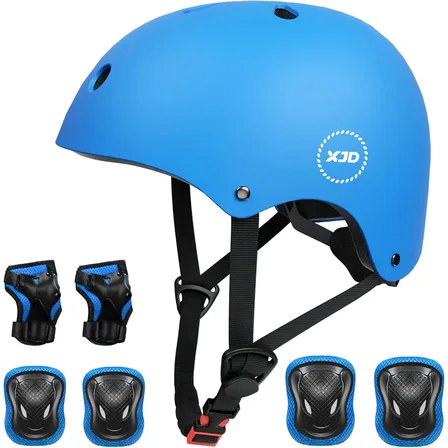
Blue XJD Helmet & Protective Gear Set for Kids, Sizes S/M
The Blue XJD Helmet & Protective Gear Set is made for kids roughly 3 to 8 years …$23.79
-
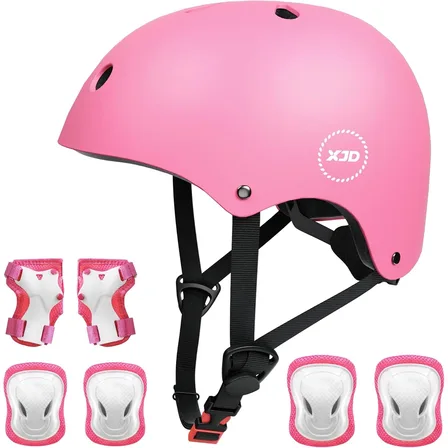
XJD Kids Helmet & Protective Gear Set for Girls, Pink
The XJD Kids Helmet & Protective Gear Set in Pink is a complete safety kit for g…$24.64
-
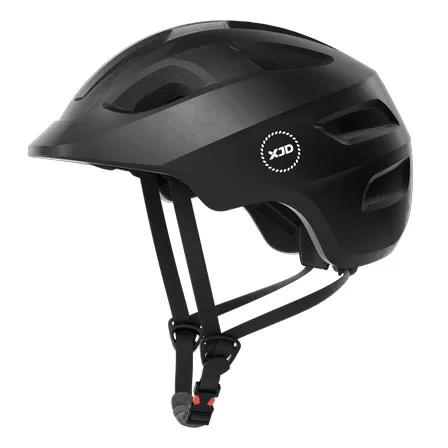
Kids Multi-Sport Bike Helmet by XJD – Black
7 reviews
The XJD Kids Multi-Sport Bike Helmet in Black is a lightweight, adjustable helme…$59.99
$49