

Can an 11 year old ride a 26 inch bike
Yes—an 11-year-old can ride a 26-inch bike if they are over 60 inches (153 cm) tall and can comfortably control that specific bicycle. Age alone does not establish fit.
Start with height, then check the individual bike
Under the supplied XBikes starting points, a 26-inch bicycle is intended for youth and adults over 60 inches (153 cm). Many 11-year-olds will instead fall within the starting ranges for 20-inch or 24-inch wheels, so measure the child rather than estimating or choosing by birthday.
| Wheel size | XBikes starting point | Meaning for an 11-year-old |
|---|---|---|
| 20 Inch | Ages 7–12; 48–60 in / 122–152 cm | A possible comparison if the rider is below the 26-inch height threshold |
| 24 Inch | Ages 10–14; 54–64 in / 137–163 cm | Often worth comparing because its age and height ranges include many 11-year-olds |
| 26 Inch | Youth and adults over 60 in / 153 cm | Consider only after measuring and completing an individual fit check |
The ranges overlap because wheel diameter is only a starting point. Frame shape, saddle adjustment and handlebar position can make two bicycles with the same wheel size feel different.
Measure the rider before shopping
Measure height without shoes, with the child standing upright against a wall. Then measure inseam from the floor to the crotch while the child stands straight. Compare the measured height with the XBikes starting points, but use the inseam on the actual bicycle to assess clearance.
Do not select a 26-inch bike merely because the child is close to 60 inches or expected to grow soon. The American Academy of Pediatrics guidance summarized for this article is to have the child try the bicycle and avoid buying an oversized model for future growth.
Perform five checks on the actual 26-inch bike
- Stand-over: With both feet flat on the ground and the bicycle upright, the child should have comfortable clearance rather than being pressed against the frame.
- Starting and stopping: Ask the child to mount, set off and stop without wobbling, tipping or needing an adult to hold the bicycle.
- Reach: The child should reach the handlebar without stretching, locking the elbows or sliding forward unnaturally.
- Brake control: They must reach and operate the brake controls confidently while maintaining steering control.
- Low-speed handling: In a traffic-free area, check that they can steer, turn and stop predictably at a slow pace.
If any check fails, the answer for that particular 26-inch bike is no, even if the child exceeds the height starting point. Compare a 24-inch model or another frame rather than accepting poor control.
How the supplied catalog option helps
The XJD Pink Beach Cruiser for Girls – Rear Rack & V-Brake is available with 20 Inch, 24 Inch and 26 Inch SKU labels. That makes its listed sizes useful comparison points for this question: a parent can consider the 26 Inch option alongside its smaller labeled options while still checking the fit of each individual bicycle. Its title also supplies the facts that it has a rear rack and V-brake; it does not establish whether the frame will fit a particular child.

The presence of all three wheel-size labels does not make the sizes interchangeable. A rider below the 26-inch starting height may be better aligned with the supplied 20-inch or 24-inch ranges, but measurements and an in-person control check remain decisive. Consult the exact product manual or a qualified bicycle mechanic for assembly, adjustments, maintenance, rack limits and brake procedures not stated in the catalog facts.
Do the safety check before the first ride
Use a bicycle helmet that fits the child properly. Following U.S. Consumer Product Safety Commission guidance, position it level and fasten and adjust its straps according to the helmet manufacturer's instructions.
Choose a quiet, traffic-free place for the fit trial. Confirm that the saddle and other adjustable parts are set within the bicycle manufacturer's instructions, then repeat the start, turn, brake and stop checks. Current confidence matters: a child who technically fits but cannot control the bike should use a more manageable option while developing skills.
The decision for your 11-year-old
If the rider is over 60 inches (153 cm), has comfortable stand-over clearance, reaches the controls naturally and can start, steer, brake and stop confidently, a 26-inch bike can be appropriate. If they are 60 inches or shorter, feel stretched, cannot reach the brakes reliably or struggle at low speed, do not size up for growth; compare the 20-inch and 24-inch XBikes starting points and repeat the same fit test.
Bikes for your next adventure
-
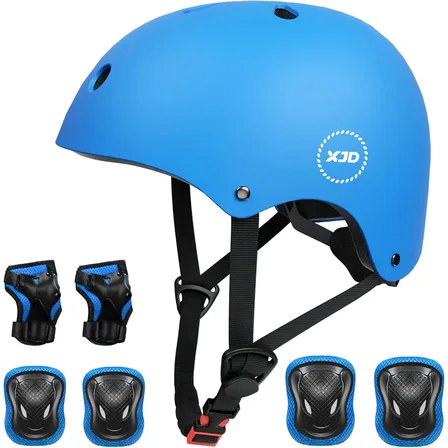
Blue XJD Helmet & Protective Gear Set for Kids, Sizes S/M
The Blue XJD Helmet & Protective Gear Set is made for kids roughly 3 to 8 years …$23.79
-
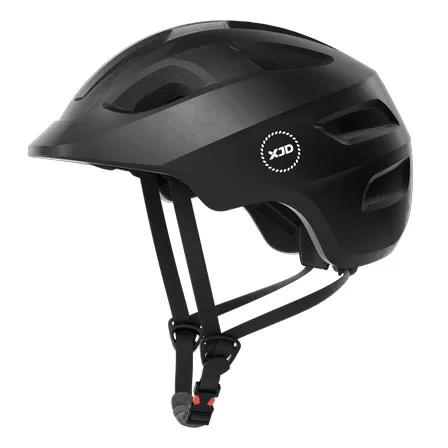
Kids Multi-Sport Bike Helmet by XJD – Black
7 reviews
The XJD Kids Multi-Sport Bike Helmet in Black is a lightweight, adjustable helme…$59.99
$49 -
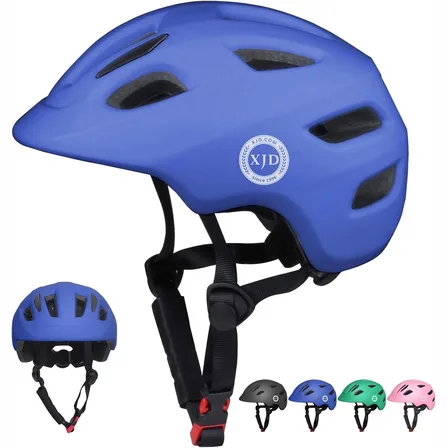
Blue XJD Kids' Bike Helmet, Adjustable Fit – Sizes XS & S
The Blue XJD Kids' Bike Helmet is a lightweight, adjustable helmet for toddlers …$20.39