

Can an 8 year old ride a 24 inch bike
Yes, an 8-year-old can ride a 24-inch bike if the bike fits their measured body size and they can control it confidently. Age alone is not enough: XBikes lists 24-inch bikes as a starting point for ages 10–14 and heights 54–64 inches (137–163 cm), so most 8-year-olds should compare a 20-inch bike first.
Start with height, not the birthday
Measure the child without shoes, standing straight against a wall. XBikes places 20-inch bikes at ages 7–12 and rider heights of 48–60 inches (122–152 cm). That makes 20 inches the usual starting comparison for an 8-year-old.
A 24-inch bike becomes a reasonable candidate when the child is at least 54 inches (137 cm) tall, because that is the lower end of the supplied 24-inch height range. The overlapping 54–60-inch zone does not mean both sizes fit equally well. Frame shape, saddle adjustment, reach and the child’s present skill can make one clearly easier to control.
| Wheel size | XBikes age starting point | XBikes height starting point |
|---|---|---|
| 20 Inch | Ages 7–12 | 48–60 in / 122–152 cm |
| 24 Inch | Ages 10–14 | 54–64 in / 137–163 cm |
These ranges narrow the search; they do not replace trying the exact bicycle.
Measure inseam and check stand-over
For inseam, have the child stand in socks with feet slightly apart. Place a firm, thin book between the legs and raise it gently to simulate a saddle, then measure from the floor to the top edge of the book. Record the result in inches or centimetres.
Compare that measurement with the stand-over height and adjustment information for the exact bike in its manual. With the child straddling the bicycle, they should be able to stand securely rather than being held up by the frame. No universal clearance number is supplied here, so do not invent one or assume that wheel diameter determines stand-over height.
Run a control check on the exact bike
Have the child try the bicycle in a controlled area with an adult present. Confirm all of the following before deciding:
- They can mount, start, stop and dismount without the bike overwhelming them.
- They can sit in a usable riding position and steer through turns without stretching excessively.
- They can reach and operate the brake controls reliably with their normal hand position.
- They can look ahead, hold a steady line and recover from a slow wobble with confidence.
- The saddle and controls can be adjusted within the limits stated in the exact product manual.
If the child must lean, stretch or shift their hands simply to steer or brake, the 24-inch bike is too large for current use even if their height falls within the starting range. Do not buy an oversized bicycle only to allow room for growth.
How the supplied 24-inch options help
The catalog includes two relevant comparison points because both provide a 24-inch option. The XJD Pink Beach Cruiser for Girls – Rear Rack & V-Brake is offered with 20 Inch, 24 Inch and 26 Inch SKU labels, so its 20-inch and 24-inch variants can help frame a same-product-title size comparison. The 24-Inch Purple XJD Beach Cruiser Bike with U-Brake is explicitly a 24-inch model and provides another exact-size candidate. Their listed brake descriptions differ, but the catalog facts do not establish which control will fit a particular child’s hands.
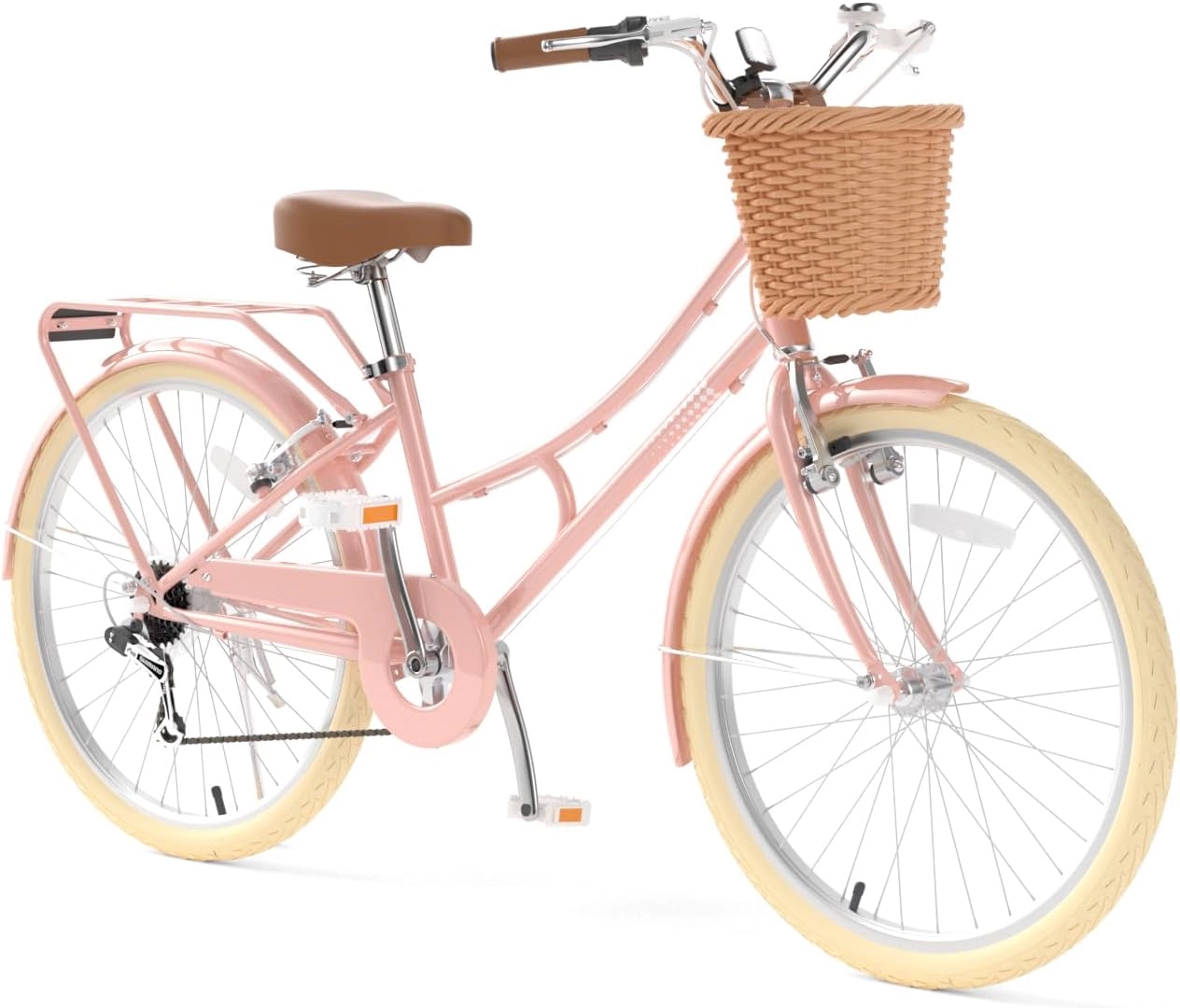 XJD Pink Beach Cruiser for Girls – Rear Rack & V-Brake
Available with 20 Inch and 24 Inch SKU labels, this model is relevant for comparing the two starting sizes discussed for an 8-year-old; the exact bicycle still requires a fit and control check.
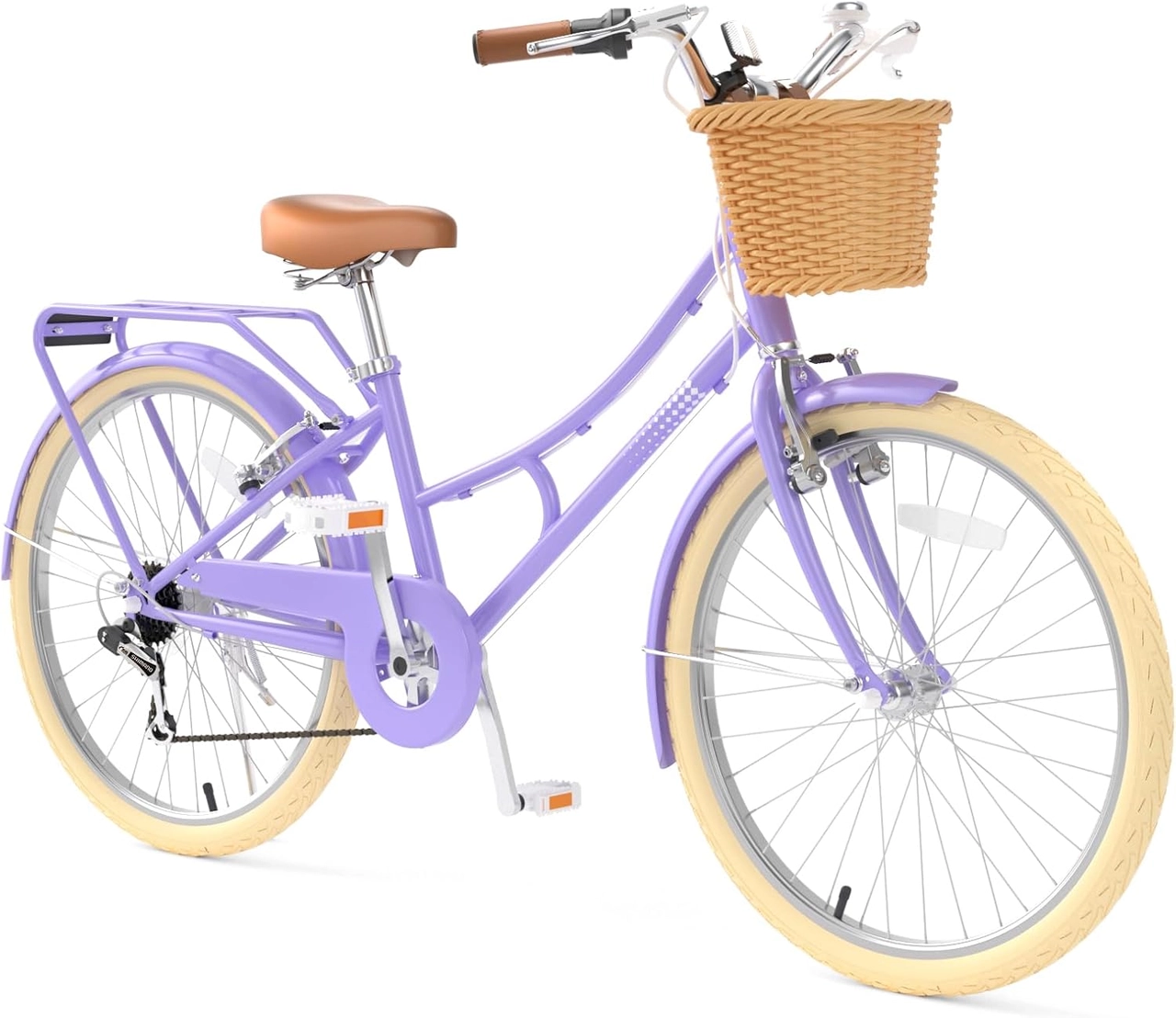 24-Inch Purple XJD Beach Cruiser Bike with U-Brake
This explicitly 24-inch model is relevant when the child meets the 24-inch height starting point, but its size label and listed U-Brake do not establish individual reach, stand-over or control.
Neither title, color nor catalog size label proves fit. Check the selected variant itself, because geometry and control placement cannot be inferred from wheel size alone. For assembly, adjustment procedures, maintenance, compatibility, load limits or torque values, follow the exact product manual or use a qualified bicycle mechanic.
Do not skip the helmet fit
A bicycle helmet must fit the child properly, sit level on the head and use its straps according to the helmet manufacturer’s instructions. A helmet cannot compensate for a bicycle that is too large or difficult to stop, so evaluate bike fit and helmet fit separately.
Make the 20-inch versus 24-inch decision
If the 8-year-old is under 54 inches (137 cm), begin with a 20-inch bike under the supplied XBikes standard. If they are 54–60 inches (137–152 cm), compare both sizes on the actual bicycles and choose according to stand-over, reach, braking and confident control. If they are over 60 inches (152 cm) but still within the 24-inch range, a 24-inch bike remains a starting point, subject to the same checks.
The final answer is simple: choose the 24-inch bike only when this 8-year-old meets the height starting point and passes every hands-on fit and control check today; otherwise choose the properly fitting smaller option rather than waiting for them to grow into it.
Bikes for your next adventure
-
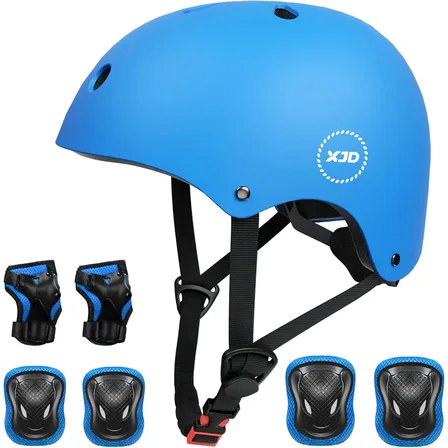
Blue XJD Helmet & Protective Gear Set for Kids, Sizes S/M
The Blue XJD Helmet & Protective Gear Set is made for kids roughly 3 to 8 years …$23.79
-
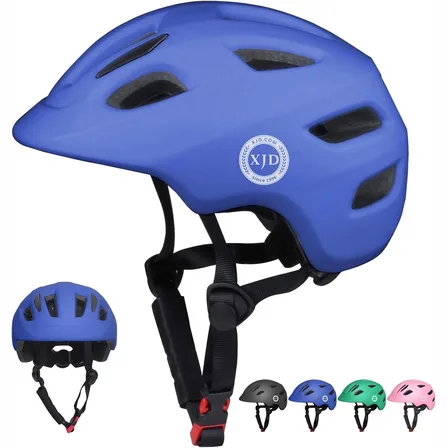
Blue XJD Kids' Bike Helmet, Adjustable Fit – Sizes XS & S
The Blue XJD Kids' Bike Helmet is a lightweight, adjustable helmet for toddlers …$20.39
-
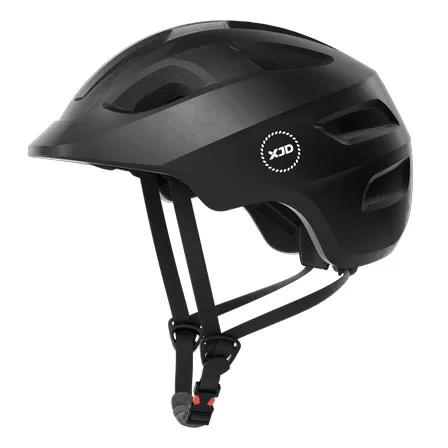
Kids Multi-Sport Bike Helmet by XJD – Black
7 reviews
The XJD Kids Multi-Sport Bike Helmet in Black is a lightweight, adjustable helme…$59.99
$49