

Can i bike with a baby backpack
No—do not ride a bicycle while wearing a baby backpack. It can alter your balance, leave the baby exposed in a fall, and may not restrain a child for cycling.
Why a baby backpack is not suitable on a bike
A backpack made for carrying a baby while walking should not be treated as bicycle equipment unless its manufacturer explicitly approves that use. Its higher, moving load can affect steering, mounting, stopping and balance. A fall or sudden stop may also expose the child in ways the carrier was not designed to manage.
Check the carrier’s exact manual rather than relying on how secure it feels. If cycling is not an approved use, do not improvise with extra straps or attach the backpack to the bicycle. A qualified bicycle mechanic can assess bicycle compatibility, but cannot turn an unapproved walking carrier into a cycling carrier.
What to compare before carrying a child
Use only a child-carrying system specifically designed for bicycles, such as an appropriate bicycle child seat or cycle trailer. Before choosing one, compare the following details in the manuals for the carrier and bicycle:
- Child requirements: Confirm the child meets every stated developmental, size and weight requirement.
- Bicycle compatibility: Verify the bicycle type, frame or rack mounting points, wheel clearance and any other restrictions.
- Total permitted load: Include the child and everything carried. Do not estimate or exceed a stated limit.
- Restraint and protection: Check how the child is secured and whether the system provides the support its instructions require.
- Rider control: Make sure you can mount, steer, brake and put a foot down without the carrier or child interfering.
- Local rules: Child-passenger, helmet and road-use requirements vary, so check the rules where you will ride.
If a manual does not provide the needed compatibility, load or installation information, contact the manufacturer or use a qualified bicycle mechanic. Follow the specified assembly and torque instructions exactly; do not invent a mounting method.
What to do before the first ride
- Install the approved cycling carrier exactly as its manufacturer directs, including every fastener, restraint and safety feature.
- Check the bicycle manual for accessory restrictions and load limits.
- Fit a bicycle helmet correctly for each rider when required or recommended. It should sit level, fit properly and have its straps adjusted according to the helmet manufacturer’s instructions.
- With no child aboard, rehearse mounting, stopping, turning and supporting the loaded bicycle in a traffic-free area, using an appropriate substitute load only if the carrier manufacturer permits it.
- Before every trip, inspect the carrier connection and bicycle condition as directed by their manuals.
If the bicycle feels unstable, braking or steering is compromised, a fitting instruction cannot be satisfied, or the child cannot be secured exactly as directed, do not ride.
When the supplied kids’ bikes are relevant
The catalog options below do not solve the baby-backpack question and are not child-passenger carriers. They become relevant later as comparison points for a child riding independently: both are Kids’ BMX Bikes offered in 12, 14 and 16 Inch labels, so measured fit and current confidence—not a desire to buy room for growth—should guide the comparison.
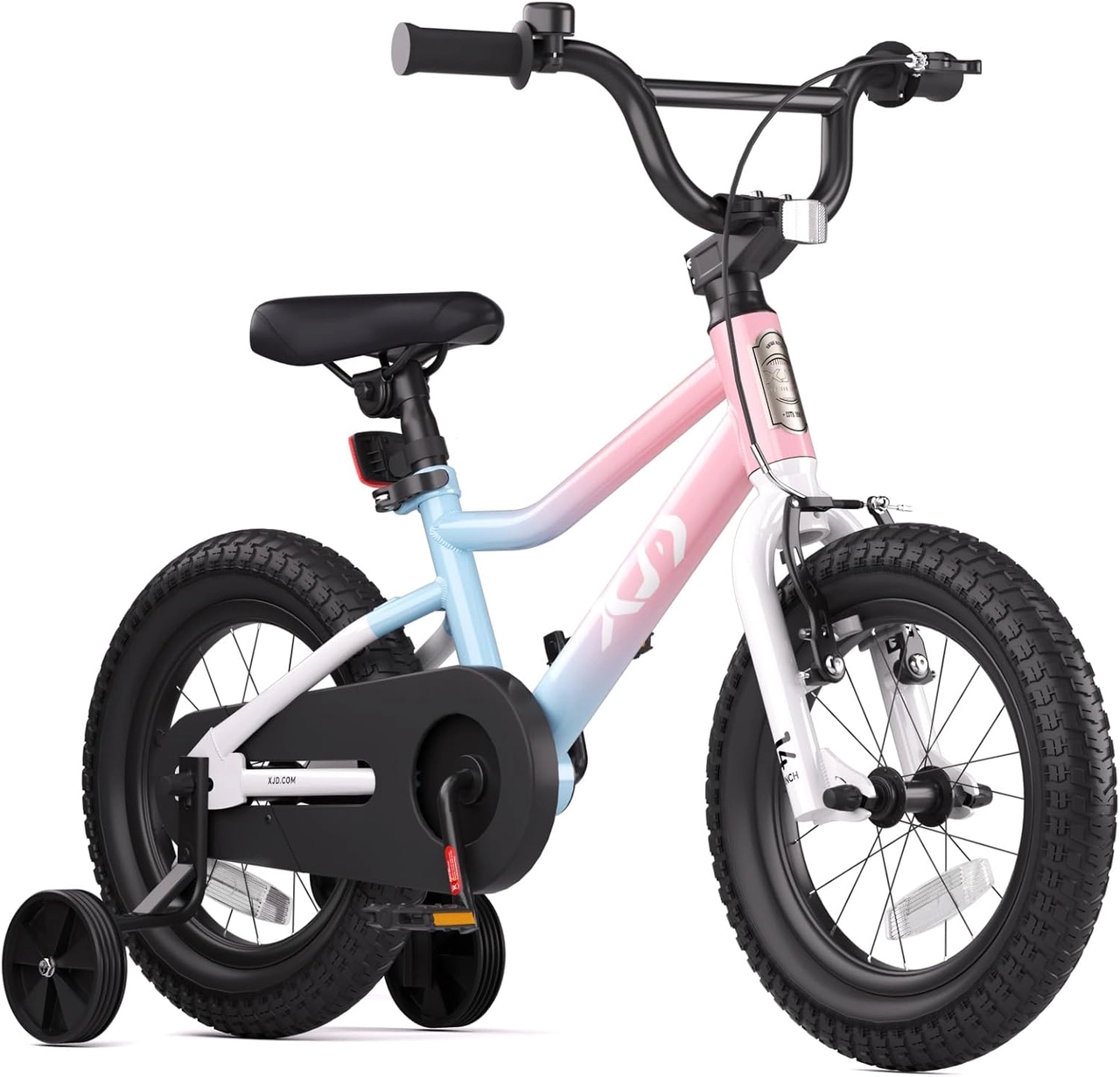 XJD Girls BMX Bike 12/14/16 Inch with Training Wheels – Pink Blue
A Kids’ BMX Bike offered in 12, 14 and 16 Inch labels for later independent riding comparisons; it is not a baby carrier or a solution for cycling with a baby backpack.
 XJD Boys & Girls BMX Bike with Training Wheels, 12/14/16" – Blue
This Kids’ BMX Bike has supplied 12, 14 and 16 Inch options relevant to a child’s future independent fit check, not to transporting a baby or using a backpack carrier.
The XJD Girls BMX Bike 12/14/16 Inch with Training Wheels – Pink Blue is offered in 12 Inch, 14 Inch and 16 Inch options. The XJD Boys & Girls BMX Bike with Training Wheels, 12/14/16" – Blue has the same three supplied wheel-size options. Based on the catalog facts, their relevant comparison is title and color wording rather than any unprovided claim about components, weight, materials, braking or performance.
Measure an independent young rider
When the child is ready for an independent bicycle, measure height and inseam before comparing sizes. XBikes’ starting points are 12 Inch for 34–40 in / 86–102 cm and ages 3–4; 14 Inch for 37–45 in / 94–114 cm and ages 3–6; and 16 Inch for 40–48 in / 102–122 cm and ages 4–7.
Overlapping ranges are only starting points. Have the child try the bicycle and check stand-over clearance, comfortable reach, reliable brake control and present confidence. Do not choose an oversized bicycle merely for growth. Where two wheel-size ranges overlap, actual control should decide—not age alone.
For either catalog bike, consult the exact product manual or a qualified bicycle mechanic for assembly, maintenance, brake details, adjustment procedures and torque values because those facts were not supplied here.
The decision to make now
For today’s ride, leave the baby backpack off the bicycle. Proceed only with a purpose-designed cycling carrier whose child requirements, bicycle compatibility, load limits and installation instructions you can fully satisfy; otherwise postpone the ride. Consider the two listed 12/14/16 Inch bikes only when the child is ready to ride independently and can pass an individual fit-and-control check.
Bikes for your next adventure
-
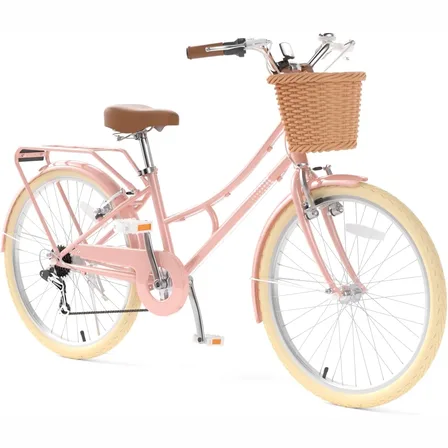
XJD Pink Beach Cruiser for Girls – Rear Rack & V-Brake
The XJD Pink Beach Cruiser for girls is the step-up bike for riders who've outgr…$179.99
$209.99 -
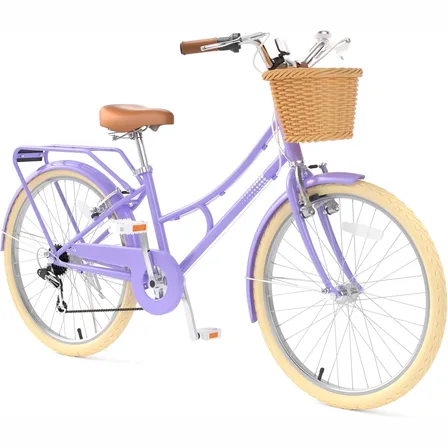
24-Inch Purple XJD Beach Cruiser Bike with U-Brake
The XJD 24-Inch Purple Beach Cruiser is built for girls and young women roughly …$159.99
-
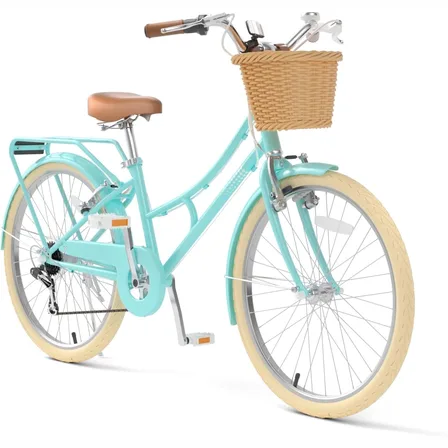
XJD Kids Beach Cruiser Bicycle, Rear Rack & V-Brakes, Mint Green
The XJD Beach Cruiser in Mint Green is a geared, multi-speed cruiser bike for ol…$179.99
$209.99