

Can you take a baby on a bike
Yes, you may be able to take a baby on a bike, but only with an age-appropriate child carrier or trailer that fits your bicycle and child.
What must be true before you ride
A baby should not simply be held, placed on an adult bicycle, or carried in equipment that is not designed for bicycle use. Before planning a ride, confirm that your child meets every developmental and size requirement in the carrier or trailer manual. If readiness is uncertain, ask the child’s pediatrician.
Check local laws as well. Rules for child passengers, helmets, seating equipment and permitted riding locations vary. The bicycle, carrier or trailer manufacturers may also impose compatibility and load restrictions that determine whether the setup can be used at all.
Measure and compare the complete setup
Record your baby’s current height and weight, then compare both measurements with the stated limits for the exact carrier or trailer. Check the equipment’s minimum requirements too; being below a minimum is not solved by tightening a harness or adding padding.
Next, compare the carrier’s mounting requirements with the exact bicycle model. Confirm these points from the manuals:
- The bicycle and mounting location are approved for that type of child carrier or trailer.
- The child is within every stated size, weight and developmental requirement.
- The harness, foot restraints and other retention parts adjust correctly without modification.
- The combined load remains within all limits for the bicycle and child-carrying equipment.
- The helmet is the correct type and can fit without being pushed out of position by the seat or trailer.
If compatibility, assembly, load limits or tightening instructions are missing or unclear, do not guess. Use the exact product manuals or have a qualified bicycle mechanic inspect the setup.
Fit the helmet and test control
A bicycle helmet must fit the child properly, sit level and have its straps adjusted according to the helmet manufacturer’s instructions. An adult helmet, a helmet bought for growth, or one whose position is disrupted by the carrier is not an acceptable fit.
Adding a passenger or trailer changes balance, turning, stopping and mounting. Before carrying the baby, practise with the installed equipment in a traffic-free area, following its manual. Check whether you can start, steer, brake and stop while keeping the bicycle controlled. If the bicycle feels unstable or the brakes cannot be operated confidently, stop and correct the setup before considering a ride.
Plan the first ride conservatively
Choose a short, familiar route away from fast traffic and difficult surfaces. Check weather, visibility and the condition of the route before leaving. Inspect the bicycle and child-carrying equipment as directed by their manuals, secure the child exactly as instructed, and recheck the helmet after seating them.
During the ride, stop if the baby’s position changes, the harness loosens, equipment moves, or bicycle control becomes uncertain. Never improvise a repair or attachment while carrying a child. A mechanic should resolve unexplained movement, damage or fit problems.
Are these XBikes products relevant?
The two supplied XBikes products are children’s bicycles with training wheels, not baby carriers or trailers. They do not answer how to transport a baby on an adult bike. They become relevant later, when a child is developmentally ready to ride a correctly fitted bicycle independently. Their listed wheel sizes help compare future starting points, but they are not substitutes for approved baby-passenger equipment.
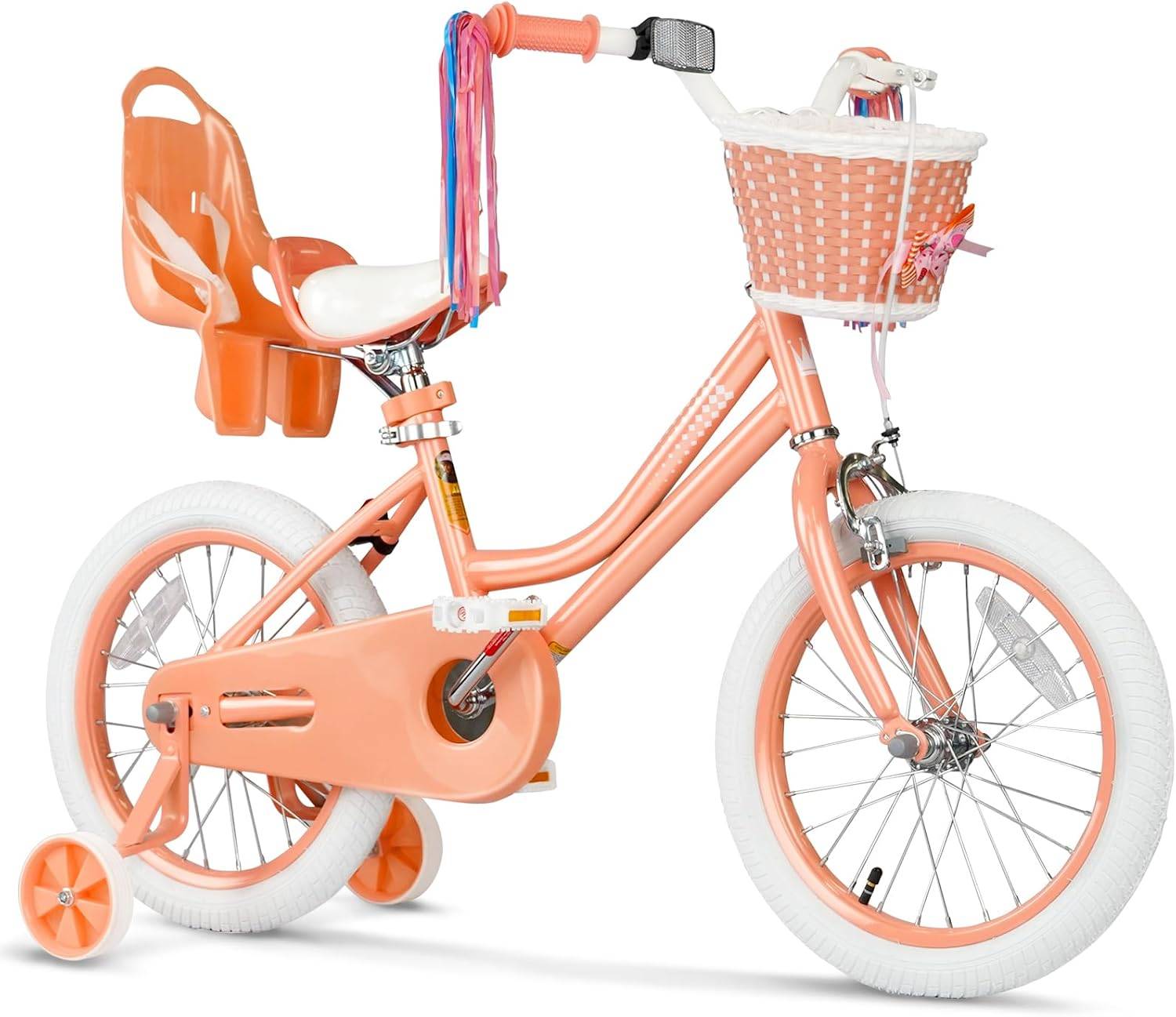 Girls 12/14/16 Inch Kids Bike by XJD with Training Wheels – Peach
A training-wheel bicycle offered in 12 Inch, 14 Inch and 16 Inch sizes. It is relevant only as a future independently ridden kids’ bike, not as equipment for carrying a baby.
 XJD Light Purple Girls Bike with Basket, Training Wheels, 12/14/16/20 Inch
A light purple training-wheel bicycle with a basket, supplied with 12 Inch, 14 Inch and 16 Inch SKU labels. It is a later-stage riding option and not a baby carrier or trailer.
Girls 12/14/16 Inch Kids Bike by XJD with Training Wheels – Peach is listed in 12 Inch, 14 Inch and 16 Inch options. XJD Light Purple Girls Bike with Basket, Training Wheels, 12/14/16/20 Inch is also supplied here with available 12 Inch, 14 Inch and 16 Inch SKU labels. Based on the provided catalog facts, both are training-wheel bikes with the same available size choices in this storefront data; the second title additionally identifies a basket.
How to judge a future child-sized bike
For later reference, XBikes uses these starting points: 12 Inch for 34–40 in (86–102 cm), generally ages 3–4; 14 Inch for 37–45 in (94–114 cm), generally ages 3–6; and 16 Inch for 40–48 in (102–122 cm), generally ages 4–7. These ranges overlap and age never establishes fit by itself.
Measure the rider’s height and inseam, then have the child try the bicycle. Check stand-over clearance, reach, brake control and current confidence. Do not buy an oversized bicycle merely for growth. Any wording in a product title is a catalog label, not proof that the bicycle fits a particular child.
Your decision now
If you want to take a baby as a passenger, first verify developmental readiness, the child’s measurements, local rules, helmet fit and exact bicycle-carrier compatibility. If any requirement is unknown, postpone the ride. Consider the listed XBikes models only when the child is ready to ride—not as a way to carry a baby.
Bikes for your next adventure
-
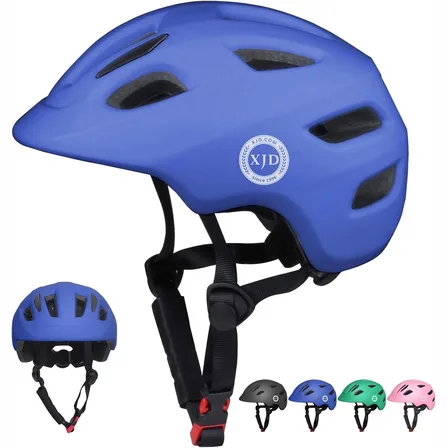
Blue XJD Kids' Bike Helmet, Adjustable Fit – Sizes XS & S
The Blue XJD Kids' Bike Helmet is a lightweight, adjustable helmet for toddlers …$20.39
-
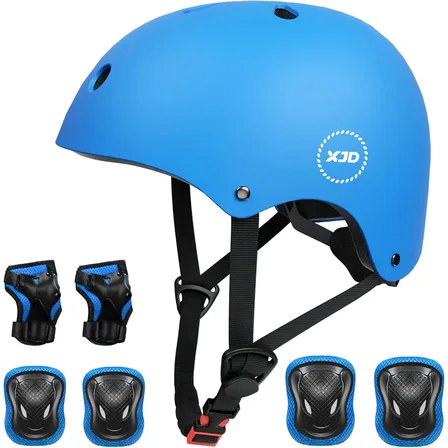
Blue XJD Helmet & Protective Gear Set for Kids, Sizes S/M
The Blue XJD Helmet & Protective Gear Set is made for kids roughly 3 to 8 years …$23.79
-

Light Pink XJD Girls' Bicycle with Basket & Training Wheels
The Light Pink XJD Girls' Bicycle with Basket & Training Wheels is a retro-style…$109.99
$129.99