

Do little child bike seat
A little child’s bike seat should be adjusted to the individual rider, but seat height cannot make an oversized bicycle fit. Measure the child first, then check stand-over clearance, reach, braking and confidence on the actual bike.
What “fits the seat” really means
The seat, or saddle, supports a riding position within the bicycle’s overall size range. Lowering it does not shorten the frame, bring distant handlebars closer or make brake controls easier to operate. That is why choosing a suitable wheel-size starting point comes before fine-tuning the seat.
Have the child try the bicycle rather than relying on an age label. The American Academy of Pediatrics advises against buying an oversized bicycle for a child to grow into. A child should be able to stand over the bike, reach the controls and steer and brake with confidence.
Measure before comparing bikes
Record the child’s height and inseam while they are wearing the shoes normally used for riding. Height helps identify a starting wheel size; inseam helps you judge the relationship between the child, saddle and frame. Also observe arm reach, hand size, brake control and present riding ability.
- Measure height: Have the child stand straight against a wall without stretching.
- Measure inseam: Measure from the floor to the top of the inside leg.
- Note current confidence: Record whether the child can start, stop, steer and balance without being overextended.
- Try the actual bicycle: Confirm comfortable stand-over, steering reach and access to the brakes before adjusting the saddle.
Use wheel size only as a starting point
| Wheel size | Starting age | Starting rider height |
|---|---|---|
| 12 Inch | 3–4 | 34–40 in / 86–102 cm |
| 14 Inch | 3–6 | 37–45 in / 94–114 cm |
| 16 Inch | 4–7 | 40–48 in / 102–122 cm |
| 18 Inch | 5–9 | 43–52 in / 109–132 cm |
| 20 Inch | 7–12 | 48–60 in / 122–152 cm |
| 24 Inch | 10–14 | 54–64 in / 137–163 cm |
| 26 Inch | Youth and adults | Over 60 in / 153 cm |
Overlapping ranges are normal. Prioritize measured height, inseam, reach, brake control and confidence over age alone. If the child falls between starting points, compare both sizes in person instead of assuming that the larger one will last longer or fit adequately with a lowered seat.
Adjust the seat only after confirming bike size
Once the overall bicycle fits, use its exact manual to set and secure the saddle. Adjustment mechanisms, insertion requirements and torque specifications can differ, so do not guess at a number or procedure. If the instructions are missing or the seat moves after adjustment, ask a qualified bicycle mechanic to inspect it.
During the fit check, watch the child mount, balance, place their feet as needed, pedal and stop. The position should not force them to stretch for the pedals, handlebars or brake controls. Recheck the fit as the child grows or if confidence and control change.
How the supplied catalog option helps
The supplied catalog contains one comparison point: the 24-Inch Purple XJD Beach Cruiser Bike with U-Brake, categorized as a Beach Cruiser Bike and offered under the SKU label “Default.” Under the XBikes starting points, a 24-inch bicycle corresponds to ages 10–14 and heights of 54–64 inches / 137–163 cm, subject to an individual fit check. It is relevant only if the measured child is near that range; it is not a substitute for a smaller child’s bicycle simply because its seat may adjust.
This catalog option helps parents recognize when a 24-inch model belongs in the comparison and when it should be excluded before a test ride.
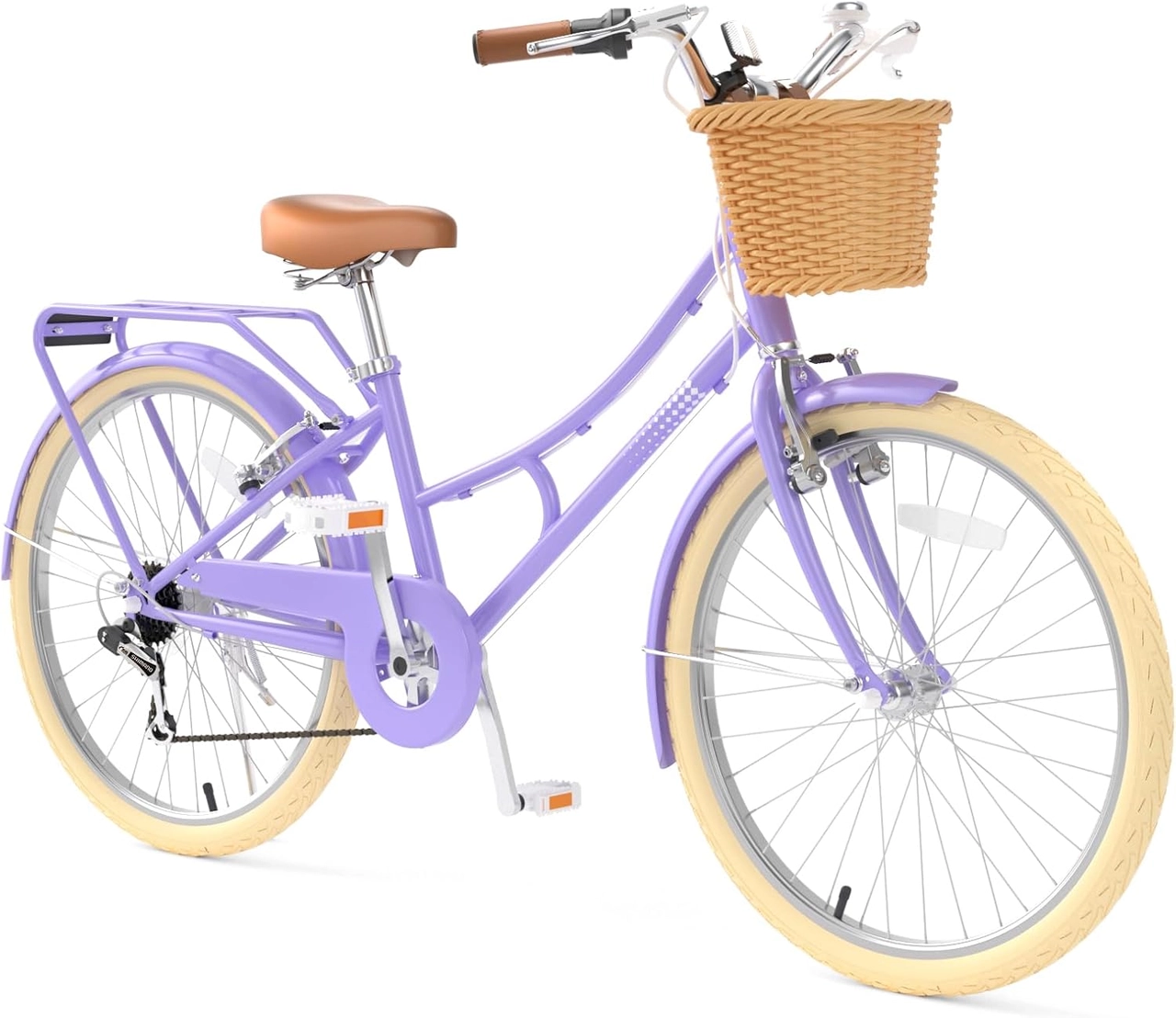
Make the decision in this order
- Start with the child’s measured height and the XBikes wheel-size ranges.
- Use inseam, stand-over clearance, reach and brake access to narrow the choice.
- Reject any bicycle that requires stretching or reduces control, even if its age range appears suitable.
- Adjust the seat according to the exact product manual, or use a qualified bicycle mechanic.
- Fit a bicycle helmet so it sits level and its straps follow the helmet manufacturer’s instructions, as advised by the U.S. Consumer Product Safety Commission.
For a little child, choose the bicycle they can control now, then set its seat to that rider—never use a low seat to justify a bike that is otherwise too large.
Bikes for your next adventure
-
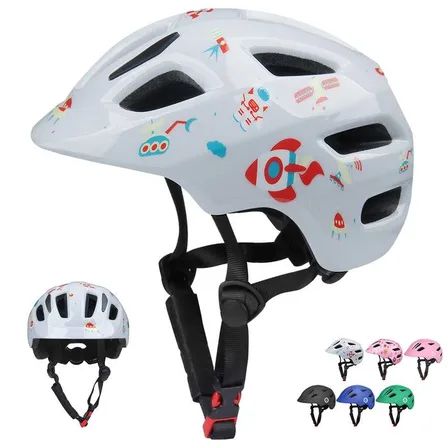
White Astronaut Bike Helmet for Kids by XJD – Toddler to Youth Sizes
4 reviews
The XJD White Astronaut kids' bike helmet is made for toddlers through younger e…$59.99
-
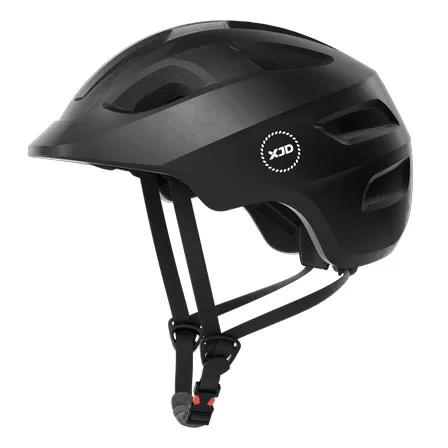
Kids Multi-Sport Bike Helmet by XJD – Black
7 reviews
The XJD Kids Multi-Sport Bike Helmet in Black is a lightweight, adjustable helme…$59.99
$49 -

Light Pink XJD Girls' Bicycle with Basket & Training Wheels
The Light Pink XJD Girls' Bicycle with Basket & Training Wheels is a retro-style…$109.99
$129.99