

How old for baby to go in bike seat
A baby can go in a bike seat only after they can sit upright independently, maintain steady head and neck control, and safely wear a properly fitted helmet. Age alone cannot decide readiness: confirm the child-seat manual, bicycle compatibility, local rules, and your pediatrician’s advice before riding.
What to check before the first ride
Start with the baby, not the calendar. During ordinary sitting and movement, the child should remain upright without being propped up and keep their head stable rather than letting it slump or tip. A helmet adds weight, so head control must remain reliable while the helmet is worn.
Then compare the child with every requirement in the exact bike-seat manual. Check its stated minimums and limits, restraint instructions, permitted mounting position, and any restrictions on the bicycle or carrier. Do not estimate missing limits or assume that one seat’s directions apply to another. If the instructions are incomplete or the fit seems uncertain, contact the manufacturer or ask a qualified bicycle mechanic.
- Body readiness: independent upright sitting and dependable head and neck control.
- Helmet fit: the helmet sits level, fits properly, and its straps are adjusted according to its manufacturer’s instructions.
- Seat fit: the harness and supports secure the child exactly as the seat manual directs.
- System compatibility: the seat, mounting hardware, and bicycle are explicitly compatible.
- Adult control: the rider can mount, stop, balance, steer, and dismount while managing the changed load.
Why there is no universal age answer
Babies reach postural milestones at different times, while child-seat designs and legal requirements can also differ. A birthday does not prove that a baby has the necessary control or that a particular seat permits their use. If the baby cannot meet every readiness and manual requirement, wait.
A pediatrician can assess developmental readiness, especially for a premature baby or a child with medical, muscular, or developmental concerns. That check does not replace the seat manufacturer’s limits, and the manual does not replace a developmental assessment when there is doubt.
Measure and compare the complete setup
Record the child’s current measurements requested by the seat manufacturer, then compare them directly with the manual rather than relying on clothing size or an age label. Also check that the helmet, harness, foot restraints, and supports can be adjusted as instructed without pinching, looseness, or interference.
Inspect the bicycle and mounting area before installation. Follow the exact manuals for assembly, maintenance, compatibility, load limits, fastener tightening, and torque. Those details are specific to the products involved; when they are unavailable, do not invent a procedure or number. Have a qualified bicycle mechanic inspect the setup instead.
Practice before carrying the baby
A mounted child seat changes balance, steering, starting, braking, and the way the bicycle behaves when parked. The adult should first practice with the empty seat in a quiet, traffic-free area. Follow the seat manual if it provides a permitted method for load practice; never improvise a passenger substitute that the instructions do not allow.
For the first permitted ride, choose a short, calm route and check the child frequently. Stop immediately if the baby slumps, the helmet shifts, straps loosen, feet leave their restraints, any mounting part moves, or bicycle control feels uncertain. Never leave a child unattended in a bicycle seat, particularly while the bicycle is supported only by the adult or a stand.
How the supplied bicycle relates to this question
The supplied catalog item, the 24-Inch Purple XJD Beach Cruiser Bike with U-Brake, is a complete 24-inch bicycle in the Beach Cruiser Bikes category. It is not identified in the supplied facts as a baby seat, a child-seat carrier, or a bicycle approved for mounting one. It therefore helps only as a size and bicycle-type comparison point; its listing does not establish passenger compatibility.
This particular catalog option helps show the difference between choosing a bicycle for its rider and choosing an approved baby-carrying system. Under the XBikes starting points, a 24-inch bicycle corresponds to ages 10–14 and rider height 54–64 inches (137–163 cm), subject to an individual fit check. Those figures concern the person riding the bicycle, not the baby passenger.
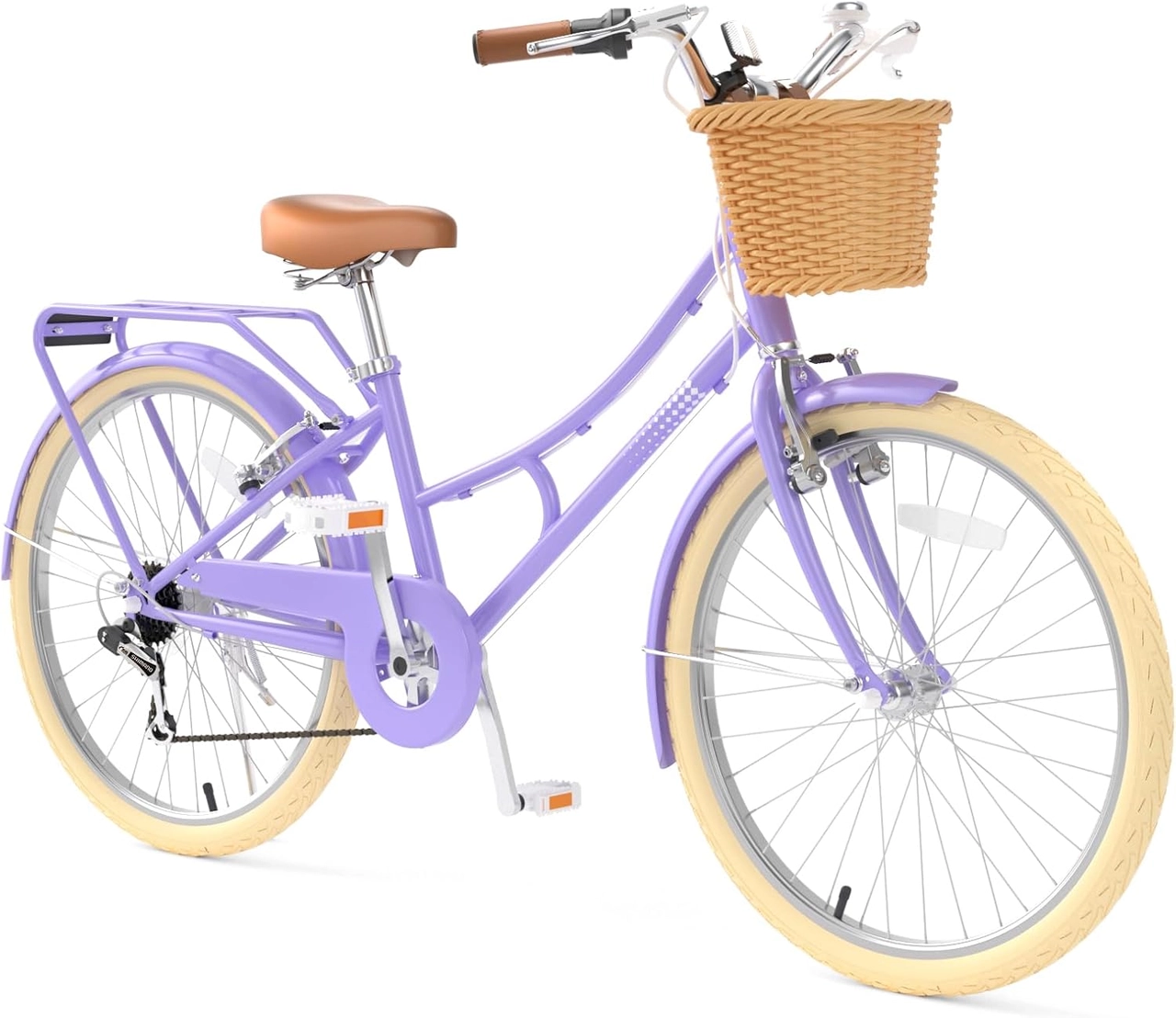
Do not treat the 24-Inch Purple XJD Beach Cruiser Bike with U-Brake as a substitute for a baby bike seat or as evidence that a seat can be attached. Check the bicycle manual and intended child-seat manual for explicit compatibility, and use a qualified bicycle mechanic when that information is absent.
Make the go-or-wait decision
Proceed only when the baby sits independently, maintains steady head and neck control, wears a correctly fitted level helmet, fits every seat requirement, and the manuals confirm the entire installation. The adult must also remain confident controlling the loaded bicycle. If even one condition is unmet or unclear, the answer to “how old for baby to go in bike seat” is simple: not yet.
Bikes for your next adventure
-
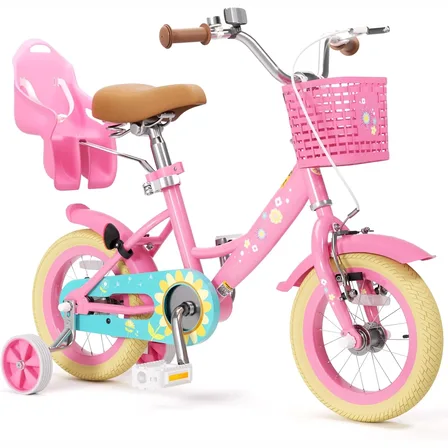
Flower Pink XJD Girls Bike with Doll Seat & Basket
The XJD Flower Pink girls' bike is made for riders 71–122 cm tall (roughly ages …$69.99
-
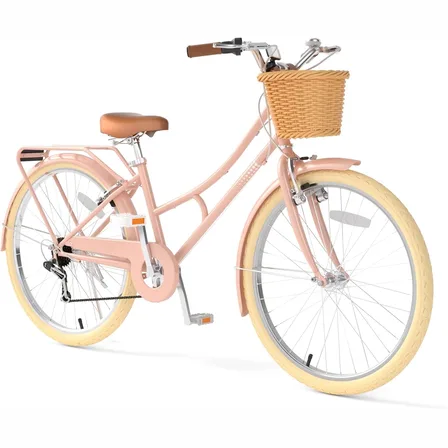
Pink XJD Beach Cruiser Bike, 24"/26", U-Brake
The XJD Pink Beach Cruiser Bike is a single-speed cruiser built for older kids a…$159.99
-
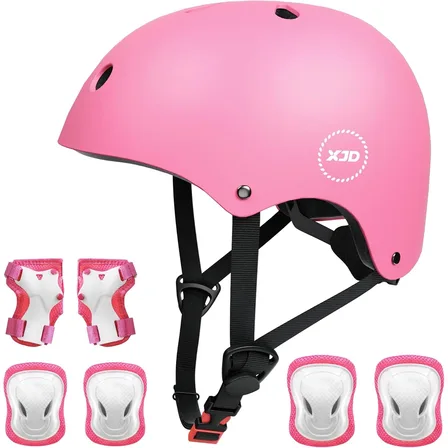
XJD Kids Helmet & Protective Gear Set for Girls, Pink
The XJD Kids Helmet & Protective Gear Set in Pink is a complete safety kit for g…$24.64