

How to make a kid ride a bike
To make a kid ride a bike, choose a bike they can control, fit a helmet correctly, lower the pressure to perform, and teach balance before pedaling.
Measure the rider before choosing the bike
Measure the child’s height and inseam while they are wearing the shoes they will ride in. Age is only a starting point: height, stand-over clearance, reach, brake control and present confidence determine whether a particular bicycle is manageable.
Have the child try the actual bike. They should be able to stand over it comfortably, hold the handlebar without stretching, steer while looking ahead and reach and operate the brakes reliably. Do not buy an oversized bicycle for the child to grow into. If they cannot control it now, choose a smaller option.
| Wheel size | Starting age | Starting rider height |
|---|---|---|
| 12 Inch | 3–4 | 34–40 in / 86–102 cm |
| 14 Inch | 3–6 | 37–45 in / 94–114 cm |
| 16 Inch | 4–7 | 40–48 in / 102–122 cm |
| 18 Inch | 5–9 | 43–52 in / 109–132 cm |
| 20 Inch | 7–12 | 48–60 in / 122–152 cm |
| 24 Inch | 10–14 | 54–64 in / 137–163 cm |
| 26 Inch | Youth and adults | Over 60 in / 153 cm |
Use these ranges to narrow the search, then make the individual fit check. Where sizes overlap, favor the bicycle on which the child has better stand-over clearance, reach, braking and confidence rather than automatically choosing the larger wheel.
Prepare the bike, helmet and practice area
Before practice, follow the exact bicycle manual for assembly, adjustment and maintenance. If anything is unclear, loose or difficult to operate, use a qualified bicycle mechanic rather than improvising a procedure or torque setting.
Use a bicycle helmet that fits properly. It should sit level, with its straps adjusted according to the helmet manufacturer’s instructions. Choose a flat, open, traffic-free practice area with enough space for long, gentle runs. Avoid steep slopes, obstacles and busy paths while the child is learning.
Teach balance before adding pedals
Begin with the child seated low enough to place their feet down confidently, provided the bicycle’s manual permits the necessary adjustment. Ask them to walk the bike forward, then take longer steps and briefly lift both feet. The immediate goal is not speed; it is a calm glide with eyes ahead and hands relaxed.
- Practice stopping with feet first so the child knows they can end a glide.
- Ask them to look toward a marker ahead instead of down at the front wheel.
- Repeat short glides until they can keep a reasonably straight line.
- Introduce gentle steering by riding toward widely spaced markers.
- Practice using the bicycle’s brakes at low speed before pedaling.
Stay beside the child, but avoid continually holding the handlebar because that takes steering control away from them. If support is needed, steady the rider briefly and release as soon as balance returns. Stop the session before frustration or fatigue makes control worse.
Add pedaling in small steps
Once the child can glide, steer and stop deliberately, introduce the pedals. Help them position one pedal ready for a strong first push, then have them push down while the other foot leaves the ground. Set a nearby stopping point so the task is specific: start, ride a short line and stop.
Expect wobbling. Give one instruction at a time, such as “look ahead” or “use the brakes.” Lengthen the distance only after starts and stops become repeatable. Turns come next: use broad arcs before asking for tighter changes of direction.
When the supplied 24- and 26-inch bikes are relevant
The supplied catalog choices help only when the rider’s measurements and control place them near a 24- or 26-inch comparison. They are not substitutes for the smaller wheel sizes commonly used by shorter learners, and either option still requires an individual stand-over, reach and brake-control check.
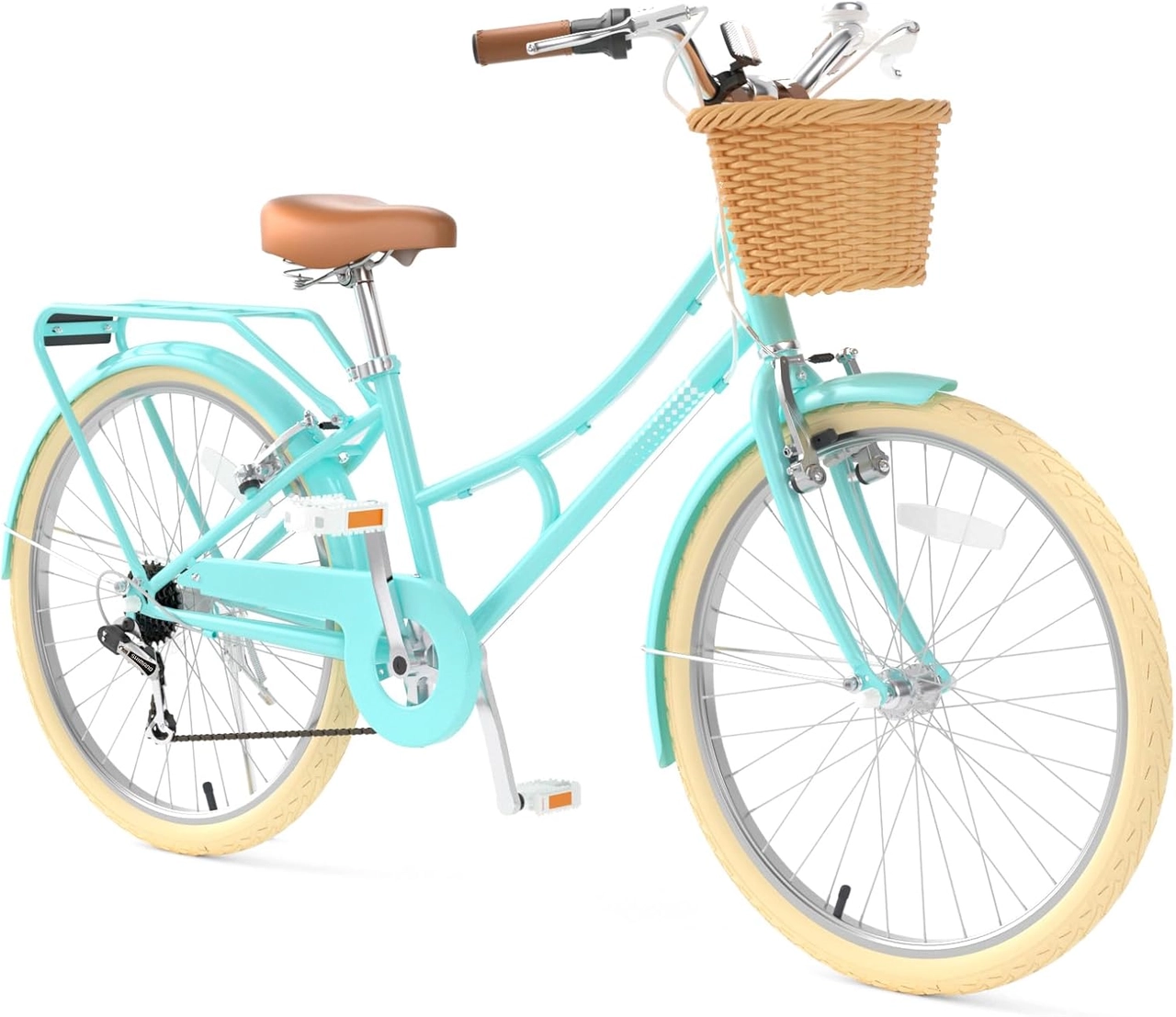 XJD 24-Inch Green Beach Cruiser Bike with U-Brake
A 24- or 26-inch beach cruiser comparison for taller learners. Available labels include Green / 24 Inch, Pink / 24 Inch and Pink / 26 Inch; confirm individual fit and brake control.
 Pink XJD Beach Cruiser Bike, 24"/26", U-Brake
This pink beach cruiser provides 24 Inch and 26 Inch catalog choices for appropriately measured riders. Treat both as starting comparison points and require a hands-on fit, reach and brake-control check.
The XJD 24-Inch Green Beach Cruiser Bike with U-Brake is a beach cruiser offered in Green / 24 Inch, Pink / 24 Inch and Pink / 26 Inch labels. Its 24-inch versions are starting comparison points for riders measuring 54–64 in / 137–163 cm; the 26-inch label is a starting point only for riders over 60 in / 153 cm.
The Pink XJD Beach Cruiser Bike, 24"/26", U-Brake is another beach cruiser, with 24 Inch and 26 Inch labels. Compare the same wheel size across the two products if color or catalog configuration matters, but do not infer fit from the title. The child must still try the exact bicycle and demonstrate comfortable reach, stand-over clearance and reliable brake operation.
Know when to pause or change bikes
Pause if the child repeatedly cannot put a foot down, reaches excessively for the handlebar, cannot operate the brakes, or becomes too anxious to look ahead. Recheck fit before treating the problem as unwillingness or lack of ability.
The next action is simple: measure height and inseam, shortlist the matching wheel-size range, and let the child demonstrate a controlled glide, turn and stop on the exact bike before asking them to pedal farther.
Bikes for your next adventure
-
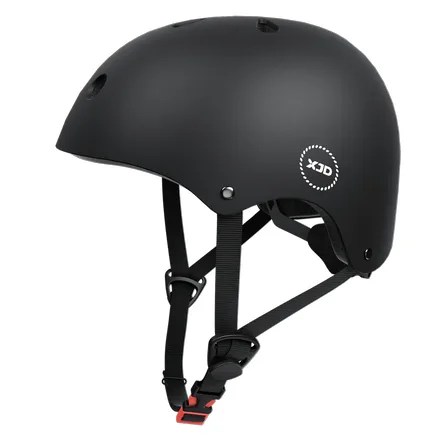
7-in-1 Kids Helmet & Protective Gear Set from XJD – Black or Blue
If you're outfitting one kid (or a couple of siblings) for biking, scootering, o…$59.99
-
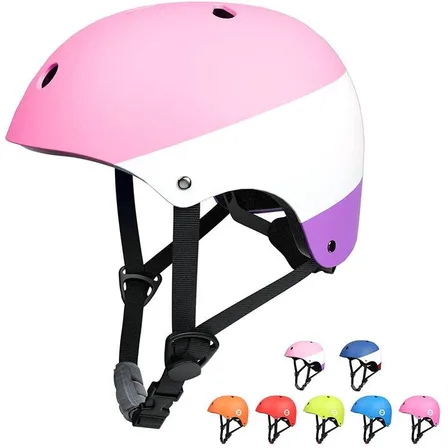
XJD Kids Bike Helmet for Boys & Girls, B White / Pink White
The XJD Kids Bike Helmet covers a wide age range — suggested for ages 2 through …$59.99
-

Blue XJD Girls Bike with Training Wheels – 12/14/16 Inch
If you're shopping for a first pedal bike for a daughter roughly 3 to 8 years ol…$149
$169