

How to Measure Bike Reach for a Child
Learning to measure bike reach for a child prevents a common mistake: choosing only by wheel diameter or age. Reach describes how the cockpit places the rider relative to the handlebar, but a geometry number alone does not guarantee comfort. The useful result is a child who can steer, brake and look ahead with relaxed elbows and stable contact with the saddle and pedals.
Start with the child's full fit, not arm length alone
Measure height and inseam in riding shoes, then compare the manufacturer's size guidance. Set saddle height within the approved range. A saddle that is far too high or low changes posture and can make the handlebar seem incorrectly placed. Do not move components outside their insertion marks to manufacture extra room.

Observe the seated riding position
With an adult stabilizing the bicycle, ask the child to sit naturally and place hands on the grips. Shoulders should not be lifted toward the ears, elbows should retain a gentle bend and the torso should not be stretched painfully. The child must be able to look forward rather than down at the stem to maintain the position.
Include controls in the reach test
Ask the rider to operate each brake and any shifter without releasing the grip or rotating the wrist awkwardly. Lever reach can be as important as handlebar distance. Controls should be adjusted only within manufacturer limits, preferably by a qualified technician when uncertain. A child who can touch the bar but cannot brake does not have a functional fit.
Confirm with a slow ride and repeat later
Use a protected level area for starts, wide turns and stops. Watch for locked elbows, wandering steering, sliding forward on the saddle or complaints in hands and shoulders. Children grow, so repeat the evaluation periodically. A future growth allowance should never require the rider to struggle with today's controls.
How the current product examples fit
The mint XJD beach cruiser offers a real upright bicycle shape for observing reach, but its exact size option and assembled adjustment determine fit. Use the delivered specifications and the child together. See XJD Kids Beach Cruiser Bicycle, Rear Rack & V-Brakes, Mint Green for the exact current options and specifications.
Quick checklist
- Set saddle height first.
- Look for relaxed shoulders and elbows.
- Check both grips and every control.
- Respect insertion and adjustment limits.
- Confirm with slow turns and stops.
Common questions
Is reach the same as top-tube length?
No. Frame numbers help compare geometry, but handlebar, stem, saddle and rider position combine to create the practical reach.
Should a child lean far forward on a cruiser?
The intended posture varies by bicycle, but pain, locked elbows or difficulty reaching brakes are fit warnings.
Explore related guides
Use the beach-cruiser collection and kids-bike collection to compare other suitable configurations without assuming every model has the same features.
Bottom line
Measure practical reach by what the child can do: hold a stable posture, steer accurately and operate every brake without strain on today's bike.
Bikes for your next adventure
-
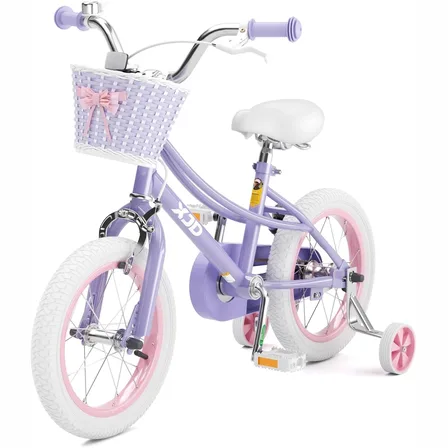
Girls' Training Wheel Bike by XJD with Basket – Purple
If you're shopping for a first bike for a girl roughly 3 to 12 years old (91–152…$75.99
-

XJD Pink Beach Cruiser for Girls – Rear Rack & V-Brake
The XJD Pink Beach Cruiser for girls is the step-up bike for riders who've outgr…$179.99
$209.99 -

Green XJD Toddler Bike Helmet with Adjustable Fit, XS (46–51 cm)
The XJD toddler bike helmet in Green is built for the youngest riders — the size…$20.39
$23.99