

What age can a baby go on a bike seat
A baby can go in a bicycle child seat only when they can sit upright steadily, support their head while wearing a helmet, and meet the seat maker’s limits.
There is no single safe age for every baby
Age alone cannot answer this question. Babies develop head, neck and trunk control at different rates, while child-seat manufacturers set different minimum requirements. Before riding, compare your child’s present abilities and measurements with the instructions for the exact seat, bicycle and helmet you will use.
Do not place a baby in a bike seat if they slump, cannot remain upright without support, or cannot comfortably hold their head up with the helmet fitted. If readiness is uncertain, ask the child’s pediatrician before planning a ride. Never rely on an age estimate to override the child-seat manual.
What to measure and compare
Check the child’s current weight and height, then compare both with every minimum and maximum stated by the seat manufacturer. Also confirm any age or developmental requirement in that manual. Do not guess a load limit or assume that two similarly shaped seats have the same limits.
- Body control: The child should sit upright steadily and maintain head position while wearing the helmet.
- Weight and height: Both must fall within the child seat’s stated limits.
- Harness fit: Follow the seat maker’s directions and check that the restraint fits securely without relying on bulky clothing.
- Helmet fit: It must fit properly, sit level and have its straps adjusted according to the helmet manufacturer’s instructions.
- Bicycle compatibility: Confirm that the bicycle, mounting location and seat are explicitly compatible.
If the manual is missing, unclear or does not cover your bicycle, contact the manufacturer or use a qualified bicycle mechanic. Follow the exact manual for assembly, fastener torque, maintenance and load limits.
Check the complete setup before carrying a child
A baby’s readiness is only one part of the decision. The adult rider must be able to mount, stop, balance and control the bicycle with the child seat installed. Follow the seat instructions for the harness, foot restraints and any required guards. Keep straps, clothing and feet away from moving parts as directed by the manual.
Have a qualified bicycle mechanic inspect the installation if you are unsure about rack, frame or mounting compatibility. Do not infer compatibility merely because a seat appears to attach. Before each ride, follow the manufacturer’s pre-ride checks and correct any looseness, damage or poor fit.
Why the listed bicycle is only a later comparison
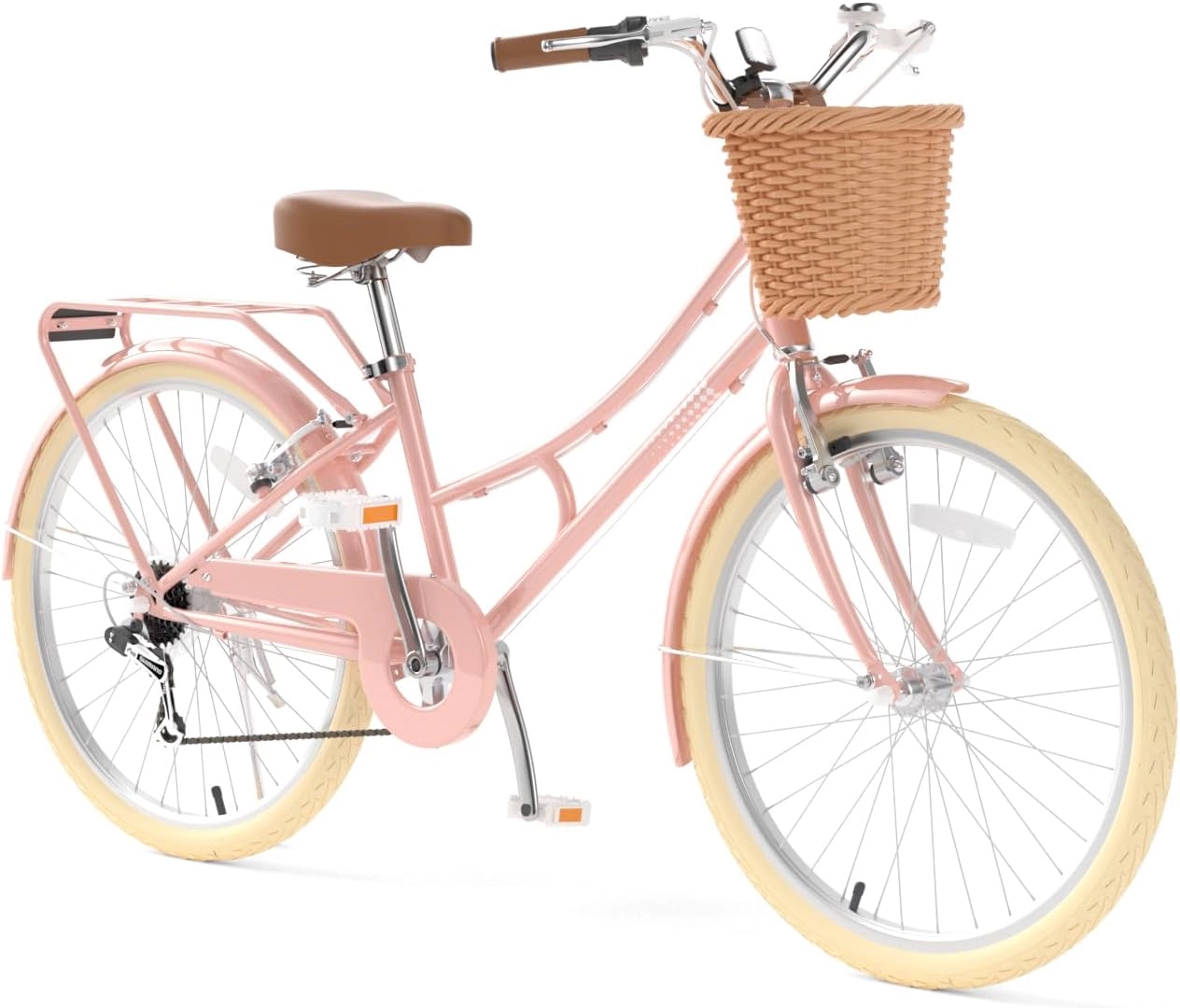
The supplied catalog item is not a baby bike seat. The XJD Pink Beach Cruiser for Girls – Rear Rack & V-Brake is a Beach Cruiser Bike offered in 20 Inch, 24 Inch and 26 Inch labels. Those sizes help distinguish an independently ridden bicycle from a child passenger seat, but they do not establish whether a rack can carry a seat or whether the bicycle is compatible with one.
These catalog options are relevant only as later independent-rider size comparison points, not as baby-seat choices or substitutes. Their wheel labels must still be checked against the rider rather than selected from age alone.
When those wheel sizes become relevant
| Wheel label | XBikes starting point | Required next check |
|---|---|---|
| 20 Inch | Ages 7–12; 48–60 in / 122–152 cm | Height, inseam, stand-over, reach, brake control and confidence |
| 24 Inch | Ages 10–14; 54–64 in / 137–163 cm | Individual fit and a controlled test ride |
| 26 Inch | Youth and adults over 60 in / 153 cm | Individual fit and full control |
These are starting points for someone riding their own bicycle, not guidance for carrying a baby. Have the rider try the bicycle, check stand-over clearance, reach and brake access, and do not buy an oversized bicycle merely for future growth. Current height, inseam, control and confidence take priority over age.
Make the go-or-wait decision
Proceed only when the baby can sit upright steadily, support their helmeted head, fit the harness and helmet correctly, and satisfy every requirement in the exact child-seat manual. The bicycle and mounting system must also be confirmed compatible, correctly assembled and within their stated limits.
If any one of those checks fails—or a required specification cannot be verified—wait. Your next step is to locate the manuals, measure the child, test helmet fit and have the installation checked by a qualified bicycle mechanic before deciding that the baby can go on the bike seat.
Bikes for your next adventure
-
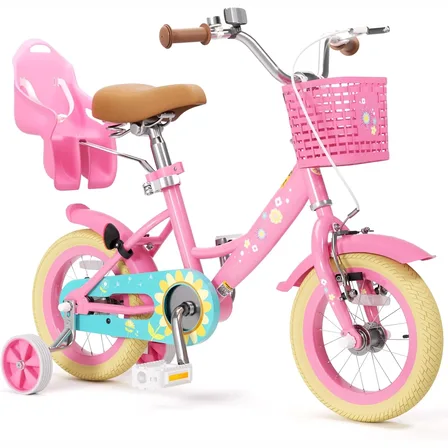
Flower Pink XJD Girls Bike with Doll Seat & Basket
The XJD Flower Pink girls' bike is made for riders 71–122 cm tall (roughly ages …$69.99
-
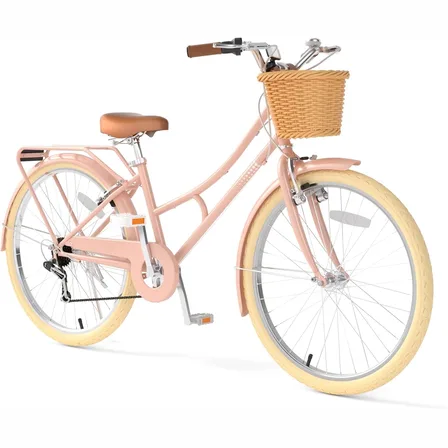
Pink XJD Beach Cruiser Bike, 24"/26", U-Brake
The XJD Pink Beach Cruiser Bike is a single-speed cruiser built for older kids a…$159.99
-
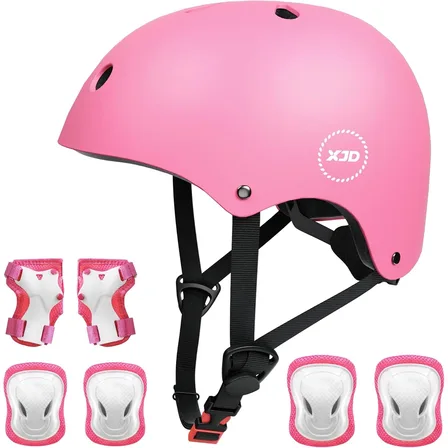
XJD Kids Helmet & Protective Gear Set for Girls, Pink
The XJD Kids Helmet & Protective Gear Set in Pink is a complete safety kit for g…$24.64