

What age can child go on bike seat
A child can start riding their own bike from about age 3, but age alone does not determine readiness. Measure height, check inseam and reach, and confirm that the child can control the bike and brakes. If you mean a passenger seat attached to an adult bicycle, use that seat’s exact manual instead of the bicycle sizing ages below.
First, identify which kind of bike seat you mean
For a child riding an appropriately sized bicycle, the XBikes starting point is a 12-inch wheel at ages 3–4 and a rider height of 34–40 inches (86–102 cm). This is only a screening range, not permission to ride or proof of fit.
A passenger child seat is a different product category. No universal passenger-seat age, load limit or compatibility rule can be established from the supplied information. Check the exact seat and bicycle manuals for developmental requirements, mounting compatibility and load limits. If anything is unclear, have a qualified bicycle mechanic inspect the setup.
Measure before choosing a wheel size
Measure the child’s height without shoes against a wall. Then measure inseam from the floor to the crotch while the child stands naturally. Compare height with the chart, but use inseam to assess actual clearance when the child tries the bicycle.
| Wheel size | Age starting point | Rider height |
|---|---|---|
| 12 Inch | 3–4 | 34–40 in / 86–102 cm |
| 14 Inch | 3–6 | 37–45 in / 94–114 cm |
| 16 Inch | 4–7 | 40–48 in / 102–122 cm |
| 20 Inch | 7–12 | 48–60 in / 122–152 cm |
The ranges overlap deliberately. A five-year-old might fall within the 14- or 16-inch starting range, so measured height and an individual fit check should decide between them. Do not move up merely because the child will eventually grow into a larger bicycle.
Check the child on the actual bicycle
Have the child try the bicycle rather than deciding from the age label or wheel diameter alone. Use these checks:
- Stand-over: The child needs usable clearance and should not be forced onto a frame that feels too tall. Consult the exact bicycle manual for its specified fit method.
- Reach: Seated in a normal riding position, the child should reach the handlebar without stretching, locking the elbows or losing stable control.
- Brake control: The child must be able to reach and operate the bicycle’s braking controls reliably. Follow the product manual because no brake type or adjustment procedure is supplied here.
- Confidence: The child should start, steer, stop and put a foot down without panic or persistent wobbling. Training wheels do not correct a bicycle that is too large.
If any of these checks fail, try another size or ask a qualified bicycle mechanic for help. Assembly, adjustment and torque instructions should come from the exact product manual.
How the supplied catalog options compare
These particular catalog bicycles are relevant when “bike seat” means the saddle of the child’s own bicycle: their available wheel-size labels let you compare several age-and-height starting points, while still requiring the child to try the bike.
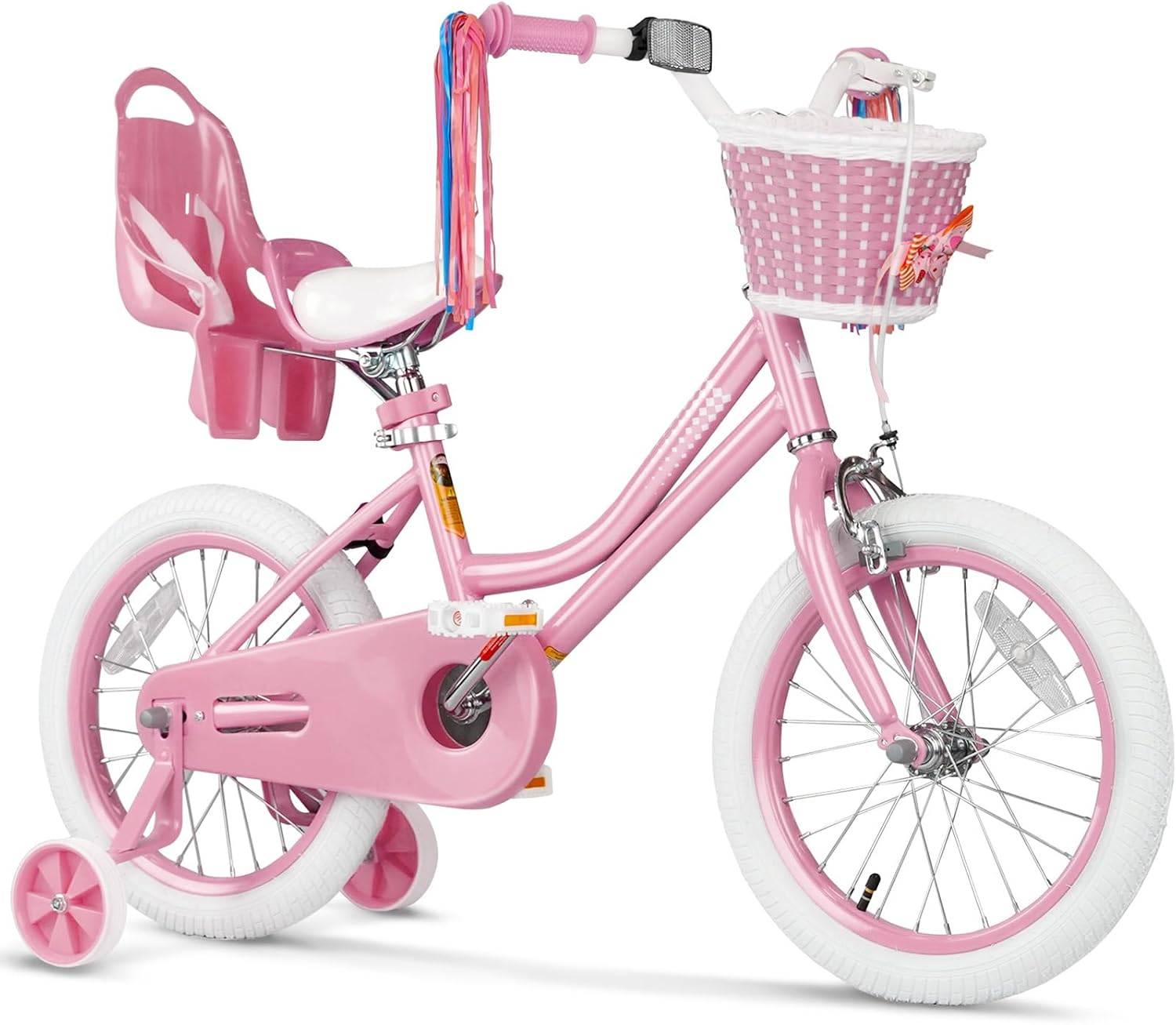
 XJD Kids Bike for Girls – Pink, 12/14/16/20 Inch with Training Wheels
A Training Wheel Bikes listing with 12, 14, 16 and 20 Inch SKU labels, useful for comparing several XBikes age-and-height starting points before an individual fit check.
 XJD Pink Girls' Bike – Kids 12/14/16 Inch Training Wheel Bicycle
A Training Wheel Bikes listing offered in 12, 14 and 16 Inch SKU labels, relevant for younger riders whose measured height, reach, braking and control confirm the selected size.
XJD Kids Bike for Girls – Pink, 12/14/16/20 Inch with Training Wheels is listed in the Training Wheel Bikes category and offers 12 Inch, 14 Inch, 16 Inch and 20 Inch SKU labels. It spans the supplied starting points from ages 3–4 through ages 7–12, depending on the selected wheel size and the rider’s measured height.
XJD Pink Girls' Bike – Kids 12/14/16 Inch Training Wheel Bicycle is also a Training Wheel Bikes option, with 12 Inch, 14 Inch and 16 Inch SKU labels. Those sizes cover supplied starting points from ages 3–4 through ages 4–7, with overlapping height ranges that make a hands-on comparison important.
The words “Kids” or “Girls” in these catalog titles describe the listings; they do not prove that a particular child fits. Neither title supplies passenger-seat specifications, so these bicycles are not evidence for when a child can ride in a seat mounted on an adult bicycle.
Helmet fit is a separate requirement
A properly fitting bicycle does not make an ill-fitting helmet acceptable. The helmet should fit the individual child, sit level on the head and have its straps used according to the helmet manufacturer’s instructions. Recheck the fit whenever the child grows or the straps have been moved.
Make the decision now
- Decide whether you mean a child’s own bicycle or an adult-bike passenger seat.
- For the child’s own bike, measure height and inseam, select the chart’s likely wheel sizes, and have the child compare stand-over, reach, braking and control on the actual bicycle.
- For a passenger seat, stop at the seat and bicycle manuals: proceed only when their developmental, load and compatibility requirements are all satisfied.
Choose the bike seat only after the relevant fit check passes today; do not rely on age alone or buy an oversized bicycle for future growth.
Bikes for your next adventure
-

Flower Pink XJD Girls Bike with Doll Seat & Basket
The XJD Flower Pink girls' bike is made for riders 71–122 cm tall (roughly ages …$69.99
-
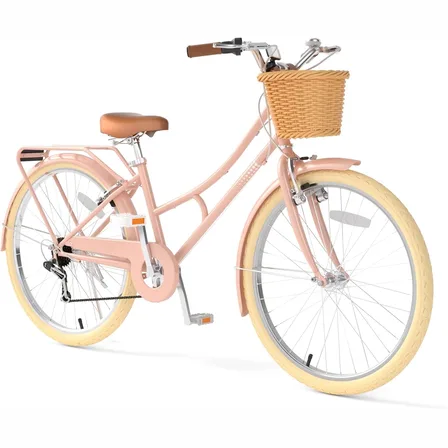
Pink XJD Beach Cruiser Bike, 24"/26", U-Brake
The XJD Pink Beach Cruiser Bike is a single-speed cruiser built for older kids a…$159.99
-
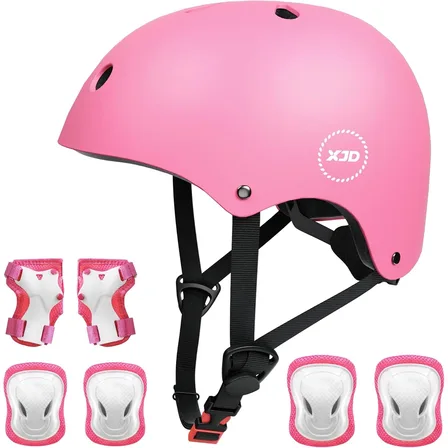
XJD Kids Helmet & Protective Gear Set for Girls, Pink
The XJD Kids Helmet & Protective Gear Set in Pink is a complete safety kit for g…$24.64