

What age can child ride in bike trailer
A child can ride in a bike trailer only when the trailer manual permits it and the child can sit upright with stable head and neck control.
Age is only the first check
There is no single starting age that applies to every child and every trailer. Development varies, and trailer designs have different requirements. Find the exact model manual and check its minimum age, seating instructions, harness requirements, passenger capacity and load limits. Do not estimate missing limits or transfer specifications from another trailer.
Before riding, confirm that the child can remain upright without slumping and can keep the head stable while wearing a properly fitted bicycle helmet. If the child was premature, has delayed head control or has a medical or developmental concern, ask the child’s healthcare professional before using a trailer.
Measure and inspect before the first ride
Age alone cannot show whether the passenger space and restraint system fit. With the trailer stationary, place the child in the intended seating position and check the following:
- The child sits upright rather than leaning or sliding sideways.
- The helmet fits inside the cabin without being pushed forward by the seat or roof.
- The harness lies in the positions specified by the manufacturer and can be secured as directed.
- The child’s head, shoulders and legs remain within the passenger compartment.
- The child and any cargo remain within every limit stated in the exact trailer manual.
A bicycle helmet should fit properly, sit level and have its straps adjusted according to the helmet manufacturer’s instructions. If the helmet, harness or seating position cannot be made to fit correctly, postpone the ride rather than improvising with cushions, inserts or altered straps that the trailer manufacturer has not approved.
Check the towing bicycle and route
Confirm that the trailer is compatible with the towing bicycle and that every hitch, safety retention device and wheel is assembled exactly as its manual describes. Compatibility, maintenance procedures and torque values vary. When those details are unavailable, use the exact manuals or have a qualified bicycle mechanic inspect the setup.
Begin with the trailer empty in a traffic-free area. The adult rider should become familiar with its extra width, longer stopping distance and different cornering before carrying a child. For the first occupied outing, choose a short, smooth and familiar route. Stop immediately if the passenger slumps, becomes distressed or cannot maintain a stable position.
When the supplied bicycle is relevant
A trailer passenger does not need a youth bicycle wheel size. The supplied catalog option becomes relevant later, when comparing an independent bicycle for a child who has outgrown trailer travel or is ready to ride separately. Its sizes are comparison points for that next decision, not evidence that a child is ready for a trailer.
The XJD Pink Beach Cruiser for Girls – Rear Rack & V-Brake is offered with 20 Inch, 24 Inch and 26 Inch SKU labels. Those choices help show how measured rider height changes the likely starting size once independent riding is being considered.

| Wheel label | XBikes starting point |
|---|---|
| 20 Inch | Ages 7–12; height 48–60 in / 122–152 cm |
| 24 Inch | Ages 10–14; height 54–64 in / 137–163 cm |
| 26 Inch | Youth and adults over 60 in / 153 cm |
These ranges are starting points, not guarantees. Have the child try the bicycle and compare measured height, inseam, stand-over clearance, reach, brake control and current confidence. Do not buy an oversized bicycle merely to allow room for growth. The rider must be able to control the bike and reach its brakes now.
Make the go-or-wait decision
Proceed only if four answers are clear: the child meets the exact trailer manual’s requirements, sits upright with stable head and neck control, fits the specified restraint system, and can wear a level, properly adjusted helmet without cabin interference. The towing setup must also be compatible and correctly assembled.
If any answer is uncertain, wait and check the manuals, speak with the child’s healthcare professional about developmental readiness, or ask a qualified bicycle mechanic about the equipment. If the real next step is independent riding, measure the child and conduct an individual fit check before comparing the supplied 20 Inch, 24 Inch or 26 Inch bicycle options.
Bikes for your next adventure
-

Kids Bike Helmet by XJD for Girls – Pink
The XJD Kids Bike Helmet in Pink is a lightweight multi-sport helmet for girls r…$59.99
$99 -

Blue XJD Kids Bike Helmet for Boys & Girls
The Blue XJD Kids Bike Helmet is a lightweight, adjustable multi-sport helmet fo…$59.99
$99 -
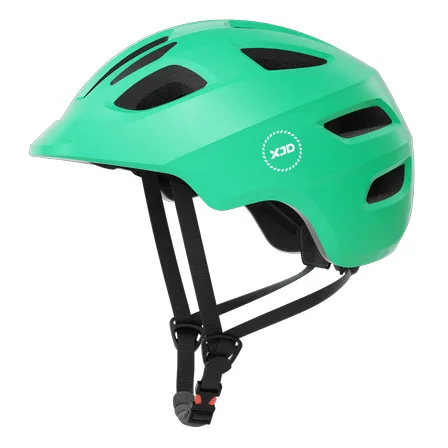
Green XJD Kids Bike Helmet for Boys & Girls
The Green XJD Kids Bike Helmet is a lightweight multi-sport helmet for toddlers …$59.99
$99