

What age is a 26 inch bike suitable for
A 26 inch bike is generally suitable for youth and adults over 60 inches (153 cm) tall—not for one fixed age. Measure the rider and check the bike in person before deciding.
Why age alone cannot determine the fit
Children of the same age can differ greatly in height, leg length, arm length and confidence. Under the XBikes starting points, 24 inch bikes correspond to ages 10–14 and heights of 54–64 inches (137–163 cm), while 26 inch bikes begin with riders over 60 inches (153 cm). Because those height ranges overlap, age cannot settle the choice.
Do not buy a 26 inch bike simply because a child may grow into it. An oversized bicycle can make starting, stopping, steering and reaching the controls harder. The right choice is the size the rider can control comfortably now.
What to measure before considering 26 inches
- Height: Measure the rider without shoes, standing straight against a wall. A result over 60 inches (153 cm) makes a 26 inch wheel a reasonable starting point for a fit check.
- Inseam: Measure from the floor to the crotch while the rider stands naturally. Compare this measurement with the stand-over clearance and adjustment information in the exact bicycle’s manual.
- Reach: On the bicycle, the rider should reach the handlebar without stretching, locking the elbows or leaning excessively.
- Brake control: The rider must be able to reach and operate the brake controls while maintaining a secure grip.
- Confidence: Check whether the rider can start, steer, stop and place a foot down without panic or instability.
Wheel diameter is only one part of bicycle fit. Frame shape and component adjustment can change how two 26 inch bicycles feel, so measurements cannot replace an individual trial.
Compare the relevant XBikes size points
| Wheel size | XBikes age starting point | XBikes rider-height starting point |
|---|---|---|
| 20 Inch | Ages 7–12 | 48–60 in / 122–152 cm |
| 24 Inch | Ages 10–14 | 54–64 in / 137–163 cm |
| 26 Inch | Youth and adults | Over 60 in / 153 cm |
These figures are screening points, not promises of fit. A rider near 60 inches may need to compare 24 and 26 inch versions directly. Never move up merely because the rider has reached a particular birthday.
How the supplied bicycle helps with the comparison
The XJD Kids Beach Cruiser Bicycle, Rear Rack & V-Brakes, Mint Green is offered with 20 Inch, 24 Inch and 26 Inch SKU labels. Those three listed sizes make it relevant when comparing the progression toward a 26 inch bicycle. Its catalog title also identifies a rear rack and V-brakes, but neither feature proves that the bicycle fits a particular rider.

The 26 Inch option matches the wheel size in this question; the 20 Inch and 24 Inch options are smaller comparison points, not equivalent substitutes. Choose among them only after checking the rider on the exact bicycle. For assembly, maintenance, adjustments, load limits, compatibility and torque requirements, follow the exact product manual or consult a qualified bicycle mechanic.
Perform a practical fit check
Have the rider wear the shoes normally used for cycling and try the bicycle in a controlled, traffic-free setting. First check stand-over clearance: the rider should be able to straddle the bicycle without the frame preventing a stable stance. Then confirm that mounting and dismounting are manageable.
With the rider seated, inspect the reach to the handlebar and brakes. Ask the rider to demonstrate controlled starts, straight-line steering, turns and stops. Watch for tiptoeing, strained arms, difficulty squeezing the brakes, wobbling caused by the bicycle’s size or fear when stopping. Any of these signs means the 26 inch option should not be selected yet, even when the height guideline is met.
If fit remains uncertain, compare the 24 Inch and 26 Inch versions with help from a qualified bicycle mechanic. Do not rely on lowering the seat alone to make an oversized frame appropriate.
Make the final 26 inch decision
Consider a 26 inch bike when the rider is over 60 inches (153 cm) and can comfortably clear the frame, reach the handlebar, operate the brakes and control the bicycle. If any check fails, choose a better-fitting size now and reassess later. Finish by fitting a bicycle helmet so it sits level and secure, with its straps adjusted according to the helmet manufacturer’s instructions.
Bikes for your next adventure
-
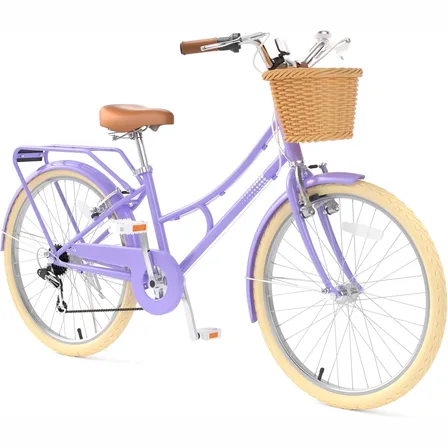
24-Inch Purple XJD Beach Cruiser Bike with U-Brake
The XJD 24-Inch Purple Beach Cruiser is built for girls and young women roughly …$159.99
-

26-Inch XJD Beach Cruiser Bike for Girls – Purple, V-Brake
This XJD 26-inch purple beach cruiser is sized for big kids and teens — suggeste…$218.49
$229.99 -
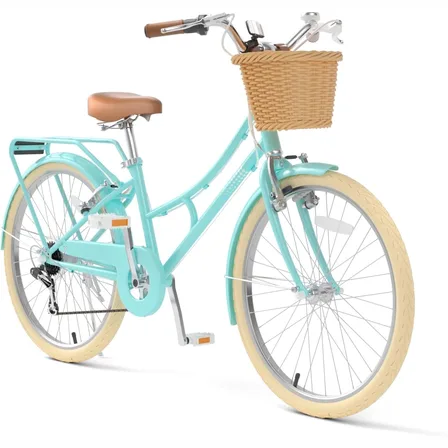
XJD Kids Beach Cruiser Bicycle, Rear Rack & V-Brakes, Mint Green
The XJD Beach Cruiser in Mint Green is a geared, multi-speed cruiser bike for ol…$179.99
$209.99